Preparation
1Warm the pumpkin gently. If using canned, microwave 2 tablespoons for about 10 seconds — you want it barely warm to the touch, like lukewarm bathwater. Test it on the inside of your wrist the way you'd test a baby's bottle. If using fresh pumpkin, bake a small piece at 350F for 20 minutes until soft, then mash and let it cool to the right temperature.
2Mash the pumpkin until it's smooth with no lumps. Guinea pigs with dental issues or low appetite need this to be effortless to eat — think baby food consistency.
3Finely mince the bell pepper and fold it into the warm mash, stirring until the tiny pepper pieces are evenly distributed throughout.
4Chop the basil leaves finely and stir them in while the mash is still warm — the heat will release the aromatic oils and make the whole kitchen smell amazing.
5If using cucumber, dice it finely and fold it in at the very end so it stays cool and slightly crunchy against the warm base.
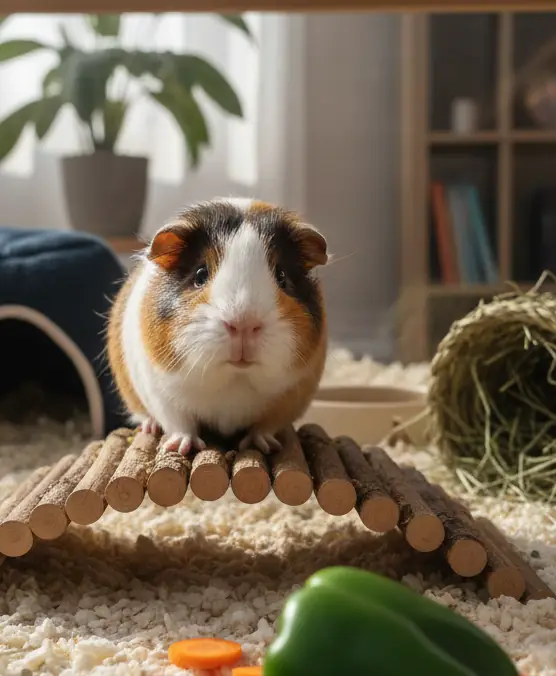
6Spoon the mash into a small, low ceramic dish — something heavy enough that it won't tip when your guinea pig puts their paws on the edge. Carry it to their hidey house and place it just inside the entrance. Then back away and let the aroma do its job.
Best Time to Serve
Cold mornings or evenings when your piggy is burrowed deep in their hidey house pretending the world doesn't exist
Purpose
Some days your guinea pig just doesn't want to deal with the world. They're in their hidey house, they're warm, and they have zero interest in your vegetable offerings sitting in a cold bowl across the cage. This mash solves that problem by being soft enough for reluctant chewers, gently warmed for comfort, and delivered directly to where your piggy already is. The pumpkin base is high in fiber for gut motility, the bell pepper maintains that crucial vitamin C, and the whole thing smells like autumn comfort food — guinea pig edition.
When to Use
Use this during cold snaps, for senior guinea pigs with dental issues who struggle with hard foods, for piggies recovering from illness, or for any guinea pig who's simply having a "stay in bed" kind of day. Also wonderful as a bonding tool — hand-delivering warm food to a hidey house builds trust like nothing else.
What to Expect
A thick, sunset-orange mash with flecks of green herbs throughout and tiny pepper pieces studded across the surface. It has the consistency of a very thick soup — soft enough to lick but textured enough to feel satisfying. The gentle warmth sends a faint wisp of steam that carries the smell of pumpkin and basil straight into whatever hidey house your piggy is refusing to leave.
Does Not Fix
Will not convince your guinea pig that the cage is better than the hidey house. It will, however, convince them that you're worth tolerating.
Time to Effect
Immediate comfort response. Nutritional effects build over 1-2 hours. The "I might come out after all" moment usually arrives about 10 minutes after the bowl is empty.
Safety Risks
Temperature is critical. The mash must be lukewarm at most — guinea pigs can burn their mouths on hot food just like humans. Always test on your wrist before serving. If it feels warm to you, it's too hot for your piggy.
Never use pumpkin pie filling. It contains sugar, spices (nutmeg is particularly dangerous for small animals), and preservatives that can make your guinea pig seriously ill. Read the can label every single time.
Remove any uneaten mash after 30 minutes. Warm, moist food at room temperature is a bacterial playground — don't let your guinea pig return to a bowl of science experiments 3 hours later.
Enrichment Ideas
Easy: Place the dish half-inside and half-outside the hidey house entrance, so your piggy has to reach slightly outward to eat — a gentle first step toward emerging.
Medium: Smear a thin layer of mash on a flat stone or ceramic tile inside the hidey house so your guinea pig has to lick it off — extends eating time and provides tongue exercise.
Hard: Create a "comfort trail" with tiny dabs of mash leading from inside the hidey house out into the cage, like a warm pumpkin breadcrumb path encouraging your piggy to explore while eating.
Owner Tips
The "wrist test" temperature check is not optional. If you wouldn't put it on a baby's skin, don't put it in your guinea pig's mouth. Lukewarm is the maximum — room temperature is perfectly fine too.
Keep a few cans of plain pumpkin in the pantry year-round. When your guinea pig is sick, elderly, or just refusing to eat, this mash can be assembled in 5 minutes and might be the thing that gets them eating again.
Senior guinea pigs with worn or broken teeth often struggle with hard vegetables. This mash lets them get their nutrition without the chewing struggle. Consider making it a weekly rotation item for any piggy over 5 years old.
If your guinea pig is recovering from an illness, this recipe pairs well with the Vitamin C Emergency Drops recipe — serve the drops in the morning and the comfort mash in the evening for a complete recovery menu.
Don't be offended if your piggy eats the mash and then goes right back to hiding. That's not rejection — that's a guinea pig who feels safe enough to eat and then return to their cozy spot. Mission accomplished.
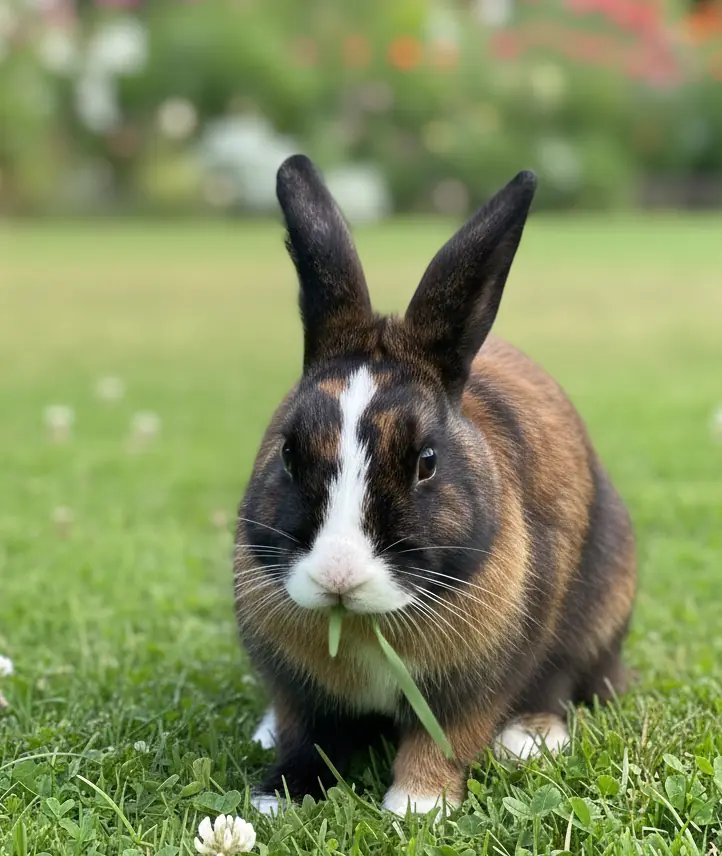 Domestic Rabbit
Compatible with Adjustments
Domestic Rabbit
Compatible with Adjustments
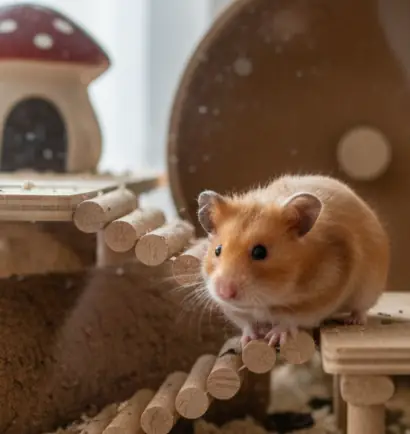 Hamster
Use with Caution
Hamster
Use with Caution