Preparation
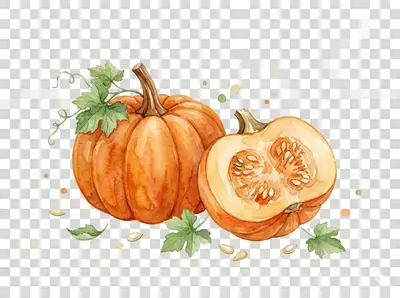
Fresh: Wash, cut in half, scoop out ALL seeds (choking hazard and too fibrous), remove stringy pulp, bake or steam until soft, serve cooled in small chunks. Canned: Use ONLY plain 100% pumpkin (not pie filling!), serve 1-2 teaspoons
Quantity
One to two tablespoons of cooked pumpkin, or 1-2 teaspoons canned, once or twice weekly — nutritious but starchy, so not daily
Notes
Fresh cooked or plain canned are both fine. Never feed raw pumpkin — too hard and fibrous. This is great for digestive issues (fiber helps regulate) but the starch means it's not an everyday food. Seeds are for humans, not piggies.
Nutritional Benefits
Fiber superstar — helps with both diarrhea and constipation, regulates digestion
Vitamin A and beta-carotene for eye and immune health
Low calorie despite being filling — great for weight management
Potassium supports heart health
Prebiotic fiber feeds good gut bacteria
Safe Varieties
Sugar pie pumpkins — small, sweet, perfect for cooking
Butternut squash — similar nutrition, often easier to find
Plain canned 100% pumpkin — convenient, consistent, Libby's or similar
Kabocha squash — dense, sweet, very nutritious
Avoid: Pumpkin pie filling (contains sugar, spices, dangerous!), raw pumpkin (too hard), carved Halloween pumpkins (moldy, dirty), pumpkin seeds (choking hazard, too fatty), any with mold or soft spots
Feeding Guide
Baby Guinea pigs under 4 months: Skip pumpkin — too starchy for developing systems
Adult pigs 1-2 pounds: 1-2 tablespoons cooked, or 1-2 teaspoons canned, twice weekly
Senior pigs: Same as adults, great for digestive regularity
Pigs with digestive issues: Can increase temporarily to help firm up stools, then return to normal portions
Positive Signs
Eager eating and interest in the sweet smell
Improved digestion — firmer stools if they were loose, or easier passing if constipated
Healthy weight maintenance — filling without being fattening
Bright eyes and good coat condition from vitamin A
Negative Signs
Diarrhea — too much pumpkin or introduced too fast, reduce portion
Weight gain — pumpkin is starchy, cut back if they're getting chubby
Refusing hay — pumpkin is filling, make sure they're still eating 80% hay
Lethargy after eating — rare, but could indicate blood sugar spike, reduce portion
Preparation Science
Cooking breaks down tough cell walls, making nutrients bioavailable and fiber gentle on digestion. Raw pumpkin is too fibrous and hard, potentially causing dental damage or digestive blockages. Plain canned is cooked during processing, making it safe and convenient.
Enrichment Science
The dense, moist texture provides sensory variety from dry hay and crisp vegetables, while the natural sweetness triggers reward centers that encourage exploration of new foods.
Play Ideas
Easy: Stuff a small pumpkin chunk with hay for an edible bowl
Medium: Create "pumpkin balls" by mixing canned pumpkin with hay and forming small treat balls
Hard: Hollow out a small pie pumpkin (after cooking) and use as a temporary hidey house that doubles as a snack bar
FAQ
Q: Can I feed my Guinea pig raw pumpkin?
A: Nope — too hard, too fibrous, potential for dental damage or gut blockage. Always cook fresh pumpkin or use plain canned. The cooking process makes it safe and actually more nutritious.
Q: Is canned pumpkin as good as fresh?
A: Plain 100% canned pumpkin is actually excellent — consistent texture, cooked properly, convenient. Just make absolutely sure it's not pie filling (which has sugar and spices). Libby's 100% pumpkin is a Guinea pig's fall favorite.
ALTERNATIVES_COMPARITIES:
Butternut squash is nearly identical nutritionally — rotate for variety
Sweet potato is similar texture but higher sugar — pumpkin is the better choice
Zucchini is less starchy and good for daily feeding — use pumpkin for the fiber boost
Carrots are sweeter but less fibrous — pumpkin wins for digestive health
Risks & Disclaimer
Raw pumpkin and seeds are dangerous — always cook fresh pumpkin and discard seeds. Canned pumpkin must be plain, not pie filling. The starch content means overfeeding leads to weight gain and digestive upset. Use as a supplement to hay, not a replacement.