Preparation
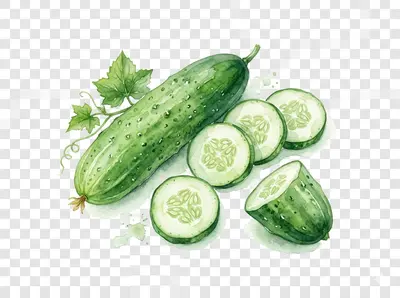
Wash well, peel if waxed or not organic, slice into rounds or sticks, remove any bitter ends
Quantity
Two to three 1-inch slices daily, or about a quarter cup chopped — great for daily feeding but watch the water content
Notes
Perfect for hot weather or pigs who don't drink enough water. Can cause soft stools if overfed, so balance with drier veggies. Seedless varieties are easier to prep but regular seeds are safe if the cucumber isn't overripe.
Nutritional Benefits
Hydration hero — 95% water helps prevent urinary tract issues and keeps kidneys happy
Super low calorie, perfect for chubby piggies on a diet
Vitamin K for healthy blood clotting and bone health
Silica content supports connective tissue and coat health
Easy to digest for sensitive tummies when given in moderation
Safe Varieties
English or hothouse cucumbers — thin skin, fewer seeds, less bitter
Persian cucumbers — small, crunchy, perfect single-serving size
Homegrown pickling cucumbers — tender skin, intense flavor, your piggy will feel fancy
Regular garden cucumbers — just peel if the skin is thick or waxy
Avoid: Pickled cucumbers (way too salty), cucumbers with soft spots or mold, bitter cucumbers which can indicate toxins
Feeding Guide
Baby Guinea pigs under 3 months: Skip cucumbers, their digestive systems need to mature first
Adult pigs 1-2 pounds: 2-3 slices or quarter cup daily, best given in morning so water content processes during active hours
Senior pigs: Same amount but monitor for diarrhea — older pigs sometimes process water less efficiently
Overweight pigs: Cucumber is your best friend — fill them up without the calories, can increase slightly while reducing pellets
Positive Signs
Happy munching and immediate interest in fresh slices
Bright, alert behavior especially in warm weather
Normal urine output — cucumbers help flush the system
Firm, well-formed poops despite the high water content
Negative Signs
Watery diarrhea within 6 hours — too much cucumber too fast, cut back and offer hay only for 12 hours
Refusing other foods — cucumber is filling but low nutrition, don't let them fill up on water
Bloating or gassiness — rare but possible, switch to drier vegetables
Lethargy after eating — could indicate chilling from cold cucumber, let it warm to room temperature first
Preparation Science
Room temperature cucumber is easier on digestion than straight-from-fridge cold. The skin contains fiber but waxed skins from stores can be hard to digest — when in doubt, peel it.
Enrichment Science
The high water content creates a satisfying juiciness that mimics fresh vegetation in the wild, triggering natural grazing behaviors and extending eating time.
Play Ideas
Easy: Float cucumber slices in a shallow water dish for a cool snack-and-splash session
Medium: Create cucumber "rings" and stack them for a edible tower to knock down
Hard: Freeze cucumber chunks for a crunchy ice treat on super hot days — supervise to prevent brain freeze!
FAQ
Q: Can cucumbers replace my Guinea pig's water bottle?
A: No way! Cucumbers help with hydration but fresh water must always be available. Think of cucumber as bonus hydration, not a water substitute.
Q: Why does my Guinea pig's poop get soft after cucumber?
A: That's the 95% water content doing its thing. Cut the portion in half and serve with drier veggies like bell peppers. If soft stools persist for more than a day, skip cucumber for a week and reintroduce slowly.
ALTERNATIVES_COMPARITIES:
Bell pepper has way more vitamin C and less water — better nutrition but less hydration help
Zucchini is similar in water content but more nutritious — swap half the cucumber for zucchini for better balance
Celery is crunchier and less watery — good if cucumber gives your piggy the runs
Lettuce (romaine) is similar hydration but less crunchy texture — cucumber wins for dental satisfaction
Risks & Disclaimer
The main risk with cucumber is overfeeding leading to diarrhea and nutrient dilution. It's mostly water, so while it's safe, it shouldn't crowd out more nutritious vegetables. Think of it as a hydration supplement, not a meal replacement. Your piggy needs the good stuff too!