Preparation
1Melt the suet or lard slowly in a saucepan over low heat until fully liquid. Stir occasionally and keep the heat gentle — overheated fat develops off-flavors that birds will avoid.
2While the fat melts, mix the sunflower seeds, chopped peanuts, and millet in a bowl. Give it a good toss so the smaller millet doesn't all sink to the bottom.
3Pour the melted fat over the seed mixture and stir until everything is thoroughly coated and the mixture is thick and glossy.
4Spoon the mixture into small containers — cleaned-out yogurt cups, silicone muffin molds, or halved coconut shells all work perfectly. Press it down firmly with the back of a spoon to eliminate air gaps.
5Refrigerate for at least 1 hour until completely solid. In winter, you can just set them outside on the porch — nature is your freezer.
6Pop the cups out of their molds and place them in a wire suet cage, wedge them into a tree fork, or just set them upside-down on a platform feeder. If using yogurt cups, you can leave the cup on as a built-in holder and poke a hole through the bottom to thread a hanging wire.
Best Time to Serve
Set out before dusk on the coldest nights; refill at dawn
Purpose
On a 15°F night, a chickadee can lose up to 10% of its body weight just shivering to stay alive. Every calorie is a minute of survival. These suet cups are the highest-calorie offering you can make — pure fat studded with calorie-dense seeds, designed to pack maximum energy into a bird's tiny body before the long, cold dark. This is not a treat. This is a lifeline.
When to Use
Deploy these when nighttime temperatures drop below freezing, especially during ice storms, deep cold snaps, or heavy snow that buries natural food sources. The evening before a hard freeze is when these matter most — birds that go to roost with a full crop are dramatically more likely to wake up.
What to Expect
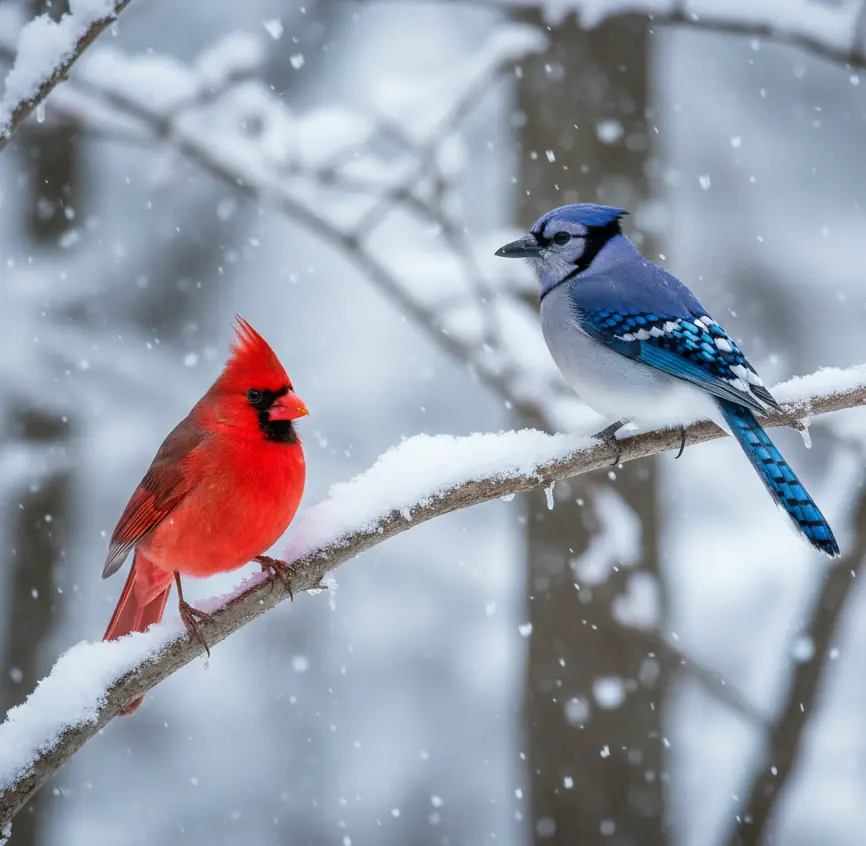
Solid little pucks of creamy-white fat packed with dark seeds, served in small containers that look like the world's most important cupcakes. They're dense, waxy, and smell faintly of roasted nuts. On a freezing morning, you'll see chickadees, woodpeckers, and nuthatches lining up on the branch above, waiting their turn like commuters at a coffee shop.
Does Not Fix
Cannot replace shelter. Birds still need dense evergreens, roosting boxes, or brush piles to survive bitter nights. This provides fuel; they provide their own furnace.
Time to Effect
Fat is metabolized into body heat within 30-60 minutes. A full feeding session before dusk can sustain a small bird through a 14-hour winter night.
Safety Risks
These are winter-only. In temperatures above 50°F, suet softens and can coat feathers, destroying waterproofing. Pull them inside when spring arrives or warm snaps hit.
Position suet cups where birds can see approaching predators — hawks and shrikes hunt feeder birds in winter. Avoid enclosed or heavily screened locations.
Check for and remove any suet that turns yellow, slimy, or develops off-odors. Even in cold weather, rancid fat can harbor harmful bacteria.
Enrichment Ideas
Easy: Hang a suet cup from a branch and watch woodpeckers, nuthatches, and chickadees take turns — natural queue etiquette is fascinating.
Medium: Smear extra suet into the bark crevices of a rough-barked tree and press seeds into it — instant "natural" feeder that brown creepers and tiny kinglets will find.
Hard: Build a "winter survival station" with a suet cup, a heated birdbath (even a shallow dish with a floating tennis ball to prevent complete freezing), and a dense brush pile within a 10-foot radius. You've just created a micro-habitat that could save dozens of lives on the coldest night of the year.
Owner Tips
Set these out by 3 PM on days when overnight lows will drop below 20°F. Birds start their last feeding frenzy about 90 minutes before sunset.
Make a batch of 8-10 cups in November and keep them in the freezer. Grab one whenever the forecast looks brutal.
On mornings after bitter cold nights, check for activity at first light. If the cup is untouched, the birds may not have found it yet — give it a few days.
If you see a bird puffed up into a perfect sphere on your feeder, it's cold and conserving heat. That bird needs this cup more than any other bird in your yard.
Don't forget water. On frozen days, a shallow dish of warm (not hot) water set out at dawn is almost as valuable as the suet cup itself.
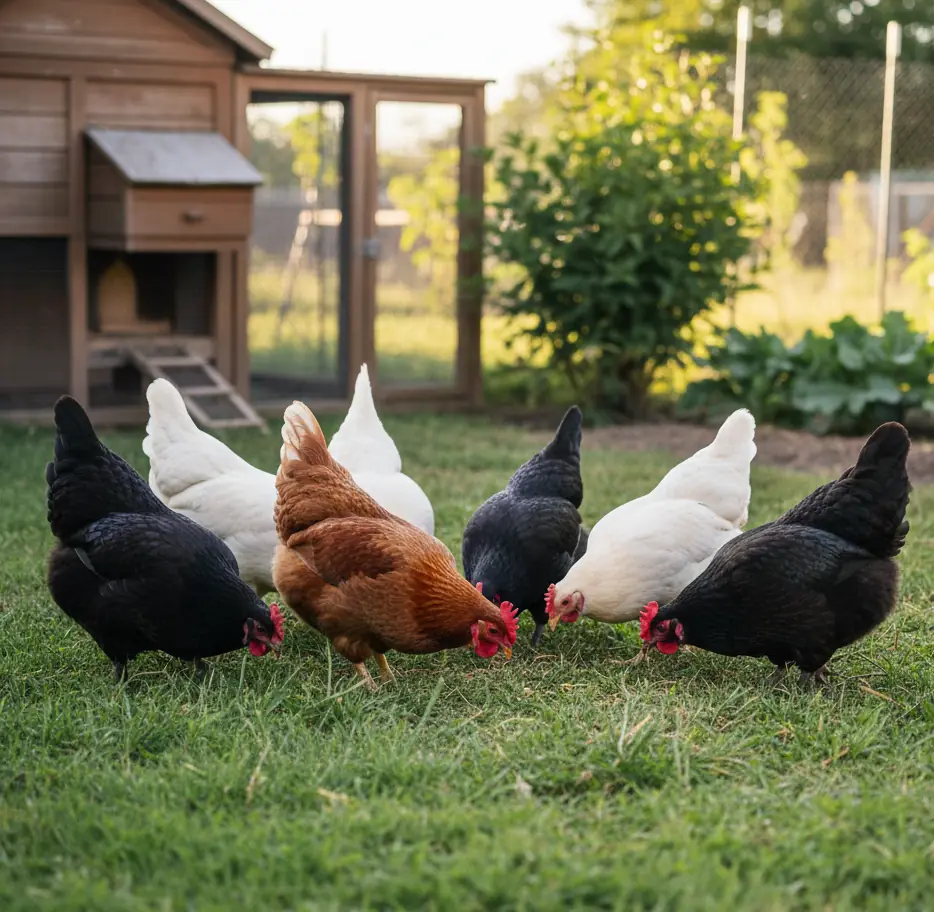 Chicken
Compatible with Adjustments
Chicken
Compatible with Adjustments
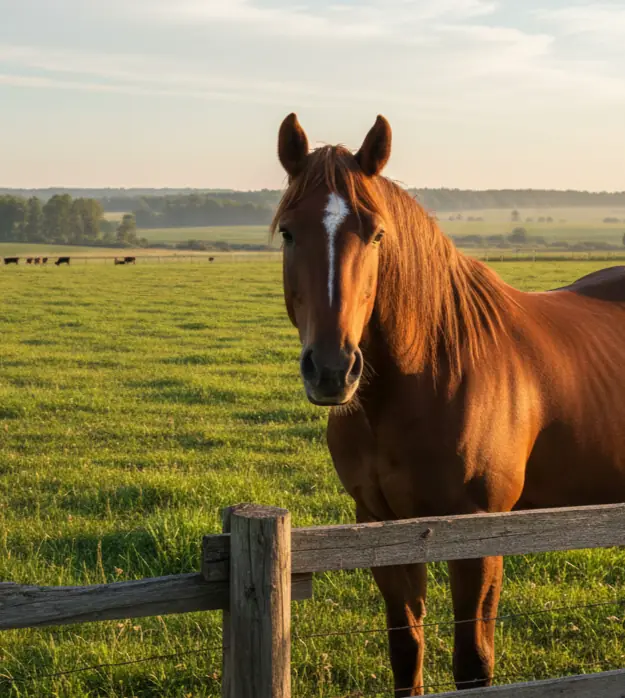 Horse
Use with Caution
Horse
Use with Caution