Preparation
Always unsalted — salt is toxic to birds. Offer in-shell or hulled (shelled); both are fine, but hulled seeds mean less mess and no wasted shell debris on the ground.
Quantity
Fill feeders freely — sunflower seeds are a staple, not a treat. Refresh every 1-3 days to keep seeds dry and fresh, especially after rain.
Notes
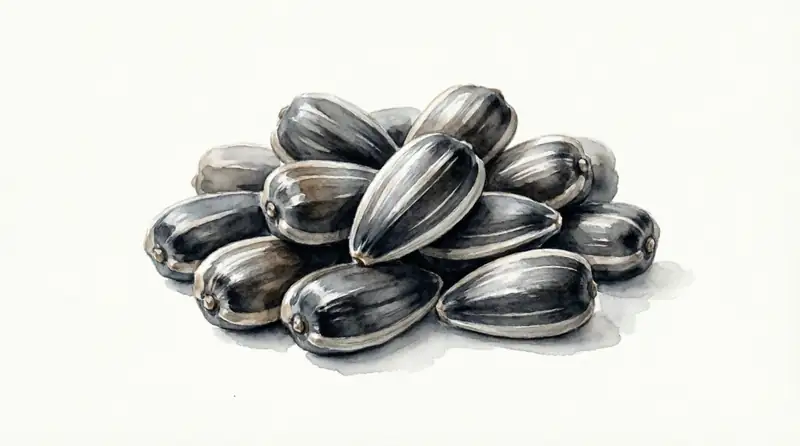
Black oil sunflower seeds are the gold standard — thinner shells and higher fat content make them easier for almost every species to crack open. Striped sunflower seeds have thicker shells, so smaller birds often skip them. Tube feeders, platform feeders, and hopper feeders all work great.
Nutritional Benefits
- Packed with healthy fats that fuel long flights and keep feathers in top condition
- High in protein, which supports muscle maintenance and helps birds through molting season
- Rich in vitamin E, a powerful antioxidant that supports immune function
- Good source of magnesium and phosphorus for strong bones and metabolic health
- Calorie-dense energy boost that's especially vital during cold winters and migration season
Safe Varieties
1. Black oil sunflower seeds — the #1 choice for wild birds; thin shells, high fat, loved by virtually every species from finches to woodpeckers
2. Hulled sunflower seeds (sunflower hearts/chips) — shell-free convenience; great for smaller birds and reduces mess under feeders dramatically
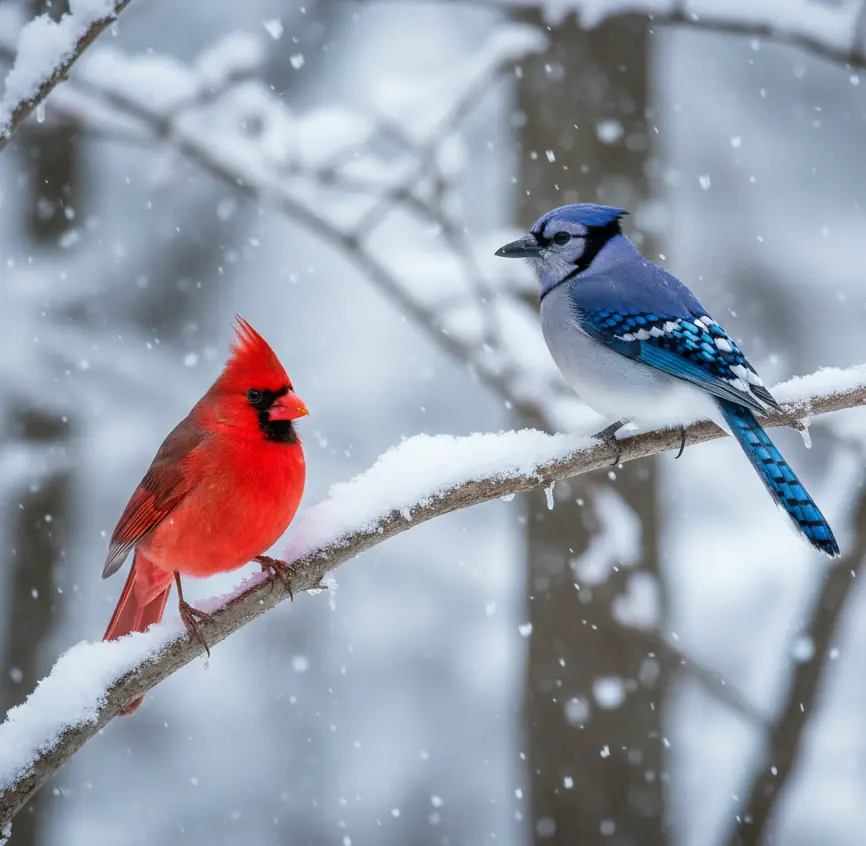
3. Striped sunflower seeds — larger and harder to crack, best suited for bigger-billed birds like cardinals, grosbeaks, and jays
4. Organic sunflower seeds — free from pesticide residues; a solid choice if you want to keep your feeder as clean as possible
Feeding Guide
Sunflower seeds are a free-fill staple — there's no strict daily limit. Fill your feeder to capacity and let your backyard birds self-regulate.
Check feeders every 1-3 days and top up as needed; a busy feeder in winter can empty in a single afternoon.
In wet or humid weather, check more frequently — damp seeds can mold quickly, and moldy seeds are genuinely dangerous. When in doubt, dump and refill.
Positive Signs
- Multiple species visiting the feeder regularly, including finches, chickadees, cardinals, nuthatches, and sparrows
- Birds returning throughout the day and showing no hesitation at the feeder
- Active cracking and eating behavior — shells accumulating beneath the feeder is a great sign
- Healthy, bright plumage on returning visitors, especially after molting season
Negative Signs
- Moldy or clumped seeds — toss immediately and scrub the feeder before refilling
- Birds avoiding the feeder despite it being full (could signal rancid or spoiled seeds)
- Seed accumulating wet on the ground beneath the feeder, creating a mold risk for ground-feeding birds
- Squirrels dominating the feeder and driving birds away — time to invest in a baffle
Preparation Science
The high fat content in black oil sunflower seeds (around 40% fat by weight) makes them one of the most calorie-dense foods you can offer wild birds, which is exactly why they're so critical during cold snaps when birds burn enormous energy just staying warm. Hulled seeds oxidize faster once the shell is removed, so buy hulled seeds in smaller quantities and store them cool and dry.
Enrichment Science
Sunflower seeds trigger natural foraging behavior — cracking shells is genuinely mentally stimulating for birds, keeping their problem-solving skills sharp. In-shell seeds give birds a satisfying challenge that hulled seeds simply don't replicate.
Play Ideas
Easy: Scatter a handful of in-shell black oil sunflower seeds directly on a flat platform feeder or garden wall and watch the pecking order sort itself out in real time.
Medium: Thread whole dried sunflower heads on a wire or hang them from a hook — birds get the full foraging experience of extracting seeds from the flower head itself.
Hard: Build or install a DIY sunflower seed wreath or press seeds into a suet cake mold with melted suet — the mixed texture keeps birds working at the feeder longer and attracts a wider variety of species.
FAQ
Q: Do I need to remove the shells before offering sunflower seeds?
A: Nope — in-shell seeds are totally fine and actually great for birds. The shell-cracking process is part of the fun for them. That said, hulled sunflower seeds (also called sunflower hearts or chips) are a brilliant no-mess option if you're tired of a carpet of shells under your feeder.
Q: Can I feed birds sunflower seeds from my pantry?
A: Only if they're completely plain and unsalted. Salted sunflower seeds — even lightly salted ones — are dangerous for birds. Their kidneys can't handle sodium the way ours can. Stick to raw, unsalted seeds from a pet or garden store to be safe.
Alternatives
- Safflower seeds — another great option with a bitter taste that squirrels and starlings tend to avoid; cardinals and chickadees love them
- Nyjer (thistle) seeds — the top choice specifically for finches (goldfinches, pine siskins); very small seeds that require a specialized tube feeder
- Millet — excellent for ground-feeding birds like sparrows, juncos, and doves; works well scattered on the ground or on a low platform
- Mixed birdseed blends — convenient but often contain filler seeds most birds ignore; black oil sunflower seeds alone will outperform most bag mixes for sheer variety of visitors
Risks & Disclaimer
Always offer unsalted sunflower seeds — salted varieties are harmful to wild birds and should never be used. Refresh feeders regularly and discard any seeds that look wet, clumped, or discolored, as moldy seeds can cause serious illness in backyard birds.