Preparation
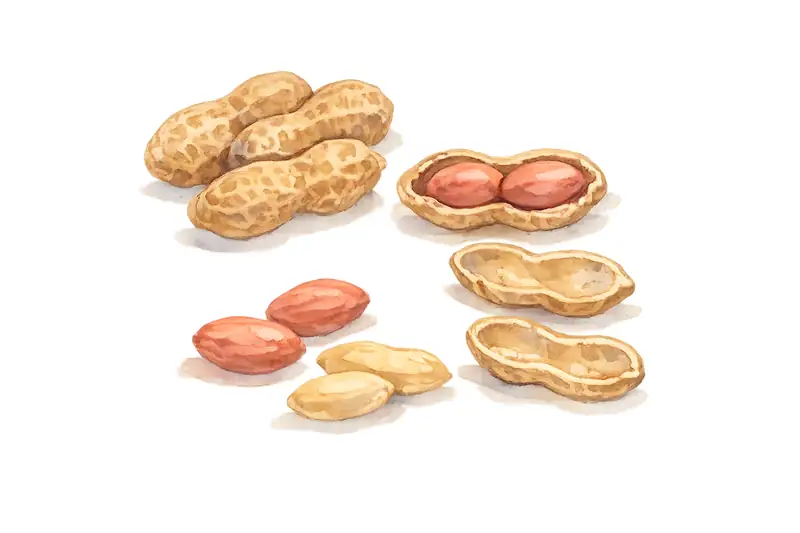
Offer only plain, unsalted, unflavored peanuts — raw or roasted (not salted or seasoned). Shell-on is fine for larger birds; shelled halves suit smaller species. Never offer moldy peanuts — aflatoxin is deadly.
Quantity
Treat as a high-value supplement, not a staple. A small handful per day is plenty for a busy feeder; too many and birds skip healthier foods.
Notes
Peanuts in the shell attract corvids, woodpeckers, and nuthatches. Shelled peanuts or peanut butter (plain, no xylitol) bring in wrens, chickadees, and titmice. Unsalted dry-roasted are safer than raw if you are worried about aflatoxin risk.
Nutritional Benefits
* High in healthy fats (mostly monounsaturated) that fuel long flights and winter thermoregulation
* Excellent protein source — around 25g per 100g — supporting muscle maintenance and feather growth
* Rich in vitamin E, a fat-soluble antioxidant that supports immune function
* Good source of niacin (B3) and folate, both important for metabolic health
* Magnesium and phosphorus support bone density and enzyme activity
Safe Varieties
1. Plain unsalted roasted peanuts (shelled) — lowest risk, widest appeal
2. Plain raw peanuts (shelled) — fine if fresh and mold-free; buy from reputable sources
3. Peanuts in the shell (whole) — great enrichment for jays, crows, and woodpeckers
4. Plain peanut butter (no xylitol, no added salt or sugar) — smear on bark or a feeder for clinging birds
5. Avoid: salted, flavored, honey-roasted, or any peanuts with added coatings
Feeding Guide
Offer a small handful of shelled peanuts (about 30-50g) per feeder per day as a supplement alongside seeds.
For whole peanuts in the shell, 5-10 nuts scattered around is enough to keep jays busy without monopolizing the feeder.
Reduce quantity in warm, humid weather when mold risk rises — or skip altogether if nuts have been sitting out more than a day.
In winter, you can increase portions slightly since birds need extra calories to stay warm.
Positive Signs
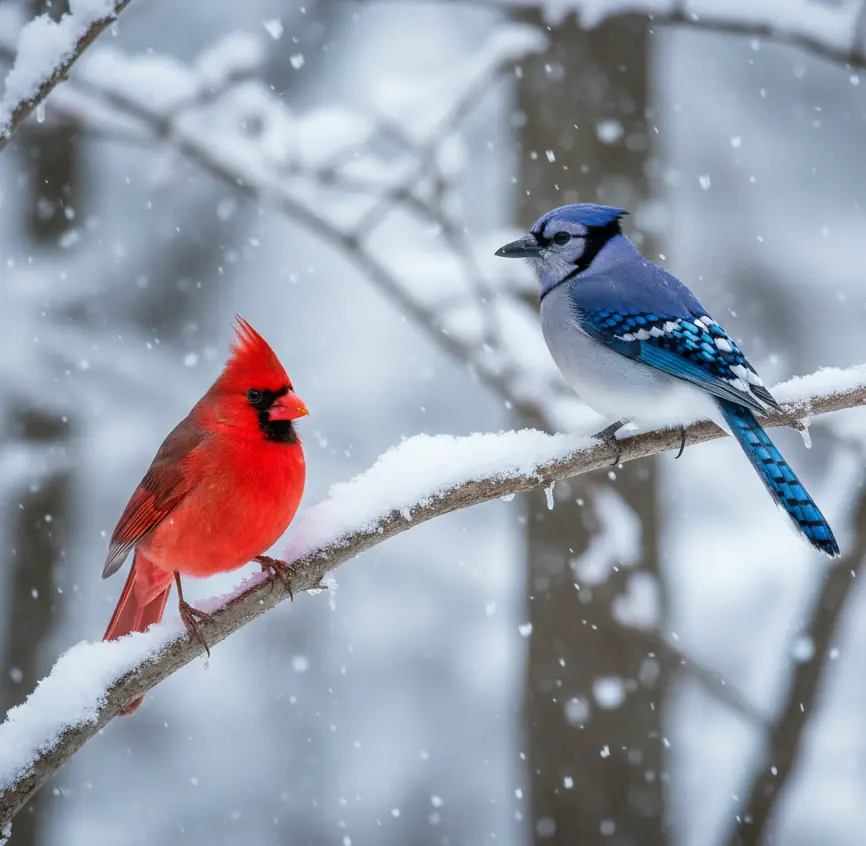
* Bluejays, woodpeckers, nuthatches, and chickadees actively visiting the feeder
* Birds carrying peanuts away to cache — totally normal and a sign they trust your offering
* Quick turnover (peanuts disappearing within the day) indicating freshness is not an issue
* Healthy, alert birds with smooth feathers and energetic behavior
Negative Signs
* Peanuts left uneaten for more than a day — remove immediately (mold risk)
* Any visible mold, musty smell, or shriveled appearance — discard the entire batch
* Birds appearing lethargic, fluffed up, or uncoordinated (could indicate aflatoxin poisoning or unrelated illness)
* Squirrels monopolizing the feeder and leaving nothing for the birds (a very real and frustrating problem)
Preparation Science
Dry roasting at moderate temperatures (below 160C/320F) reduces natural enzyme inhibitors in raw peanuts without degrading fats. If offering raw peanuts, sourcing from a fresh, reputable supplier dramatically reduces aflatoxin risk compared to buying in bulk and storing long-term.
Enrichment Science
Caching behavior — where birds like jays and nuthatches stash peanuts to retrieve later — is a form of episodic-like memory and spatial cognition. Offering whole peanuts in the shell actively exercises this natural behavior.
Play Ideas
Easy: Scatter shelled peanuts on a flat tray feeder and watch who shows up first — jays will be bold, nuthatches will be methodical.
Medium: Thread whole peanuts in the shell onto a string and hang it from a branch for woodpeckers and jays to work through.
Hard: Hide whole peanuts in the shell in different spots around the yard and observe which species cache versus immediately eat — a backyard science experiment your birds are running for free.
FAQ
Q: Can I offer peanut butter to backyard birds?
A: Yes, with one critical caveat — it must be plain peanut butter with no xylitol, a sweetener that is toxic to birds. Smear a thin layer on tree bark or in the crevices of a log feeder. It is especially popular with woodpeckers, wrens, and chickadees.
Q: Are salted peanuts okay in a pinch?
A: No. Salt is harmful to birds — their kidneys are not built to process it. Even a small amount regularly can cause dehydration and kidney damage. Always choose plain, unsalted peanuts, full stop.
Alternatives
* Sunflower seeds (black oil) — equally popular, lower fat per gram, safer in bulk, better for smaller birds like finches and sparrows
* Safflower seeds — squirrel-resistant alternative with good fat content; preferred by cardinals and doves
* Suet cakes — high-calorie winter option with similar appeal to woodpeckers; no mold risk if bought commercially
* Nyjer (thistle) seed — great protein and fat alternative for finches, though far less universally appealing than peanuts
Risks & Disclaimer
Moldy peanuts contain aflatoxins — naturally occurring fungal toxins that are toxic and potentially fatal to birds even in small quantities. Always inspect peanuts before offering, discard any that look shriveled or smell off, and never leave peanuts out in warm, humid weather for more than one day.