Preparation
1Collect eggshells over the course of a week — just rinse them and store them in an open container on the counter to air-dry. When you have 6-8 eggs' worth, you're ready.
2Spread the dried shells on a baking sheet in a single layer and bake at 250°F for 20 minutes. This sterilizes them completely and makes them brittle enough to crush easily.
3Let the shells cool, then crush them into coarse fragments about the size of rice grains. A zip-lock bag and a rolling pin make this satisfyingly easy. You want grit, not powder — birds need pieces big enough to pick up with their beaks.
4Toss the crushed shells with the hulled sunflower seeds, cornmeal, and millet until evenly mixed. The seeds and cornmeal should be visible between the shell fragments.
5Scatter the crumble on a platform feeder, a flat rock, or a clean patch of bare ground in a sunny, visible spot. Female birds seeking calcium will find it quickly once they learn the location.
Best Time to Serve
Scattered on a platform feeder or flat rock during breeding season
Purpose
Building an eggshell requires a staggering amount of calcium — a female robin deposits about 2 grams of calcium carbonate per egg, which is more calcium than her entire skeleton contains. She literally pulls it from her own bones if she can't find enough in her diet. This crumble provides a concentrated, easily digestible calcium source that saves your nesting birds from cannibalizing their own skeletons. It's the most important thing you can scatter in spring.
When to Use
Deploy this from early March through July when nesting activity peaks. Female birds actively seek calcium in the weeks before and during egg-laying, and you'll notice them picking at odd things — mortar between bricks, old snail shells, even road grit. That's desperation. Give them this instead.
What to Expect
A coarse, pale crumble that looks like beach sand mixed with tiny seed confetti. It has a faintly mineral, chalky smell that's barely noticeable to humans but apparently screams "CALCIUM BUFFET" to every nesting bird within earshot. You'll see females picking through it with focused, deliberate pecks.
Does Not Fix
Cannot prevent nest predation, brood parasitism, or bad weather destroying nests. But eggs built with adequate calcium are measurably stronger and more likely to survive incubation.
Time to Effect
Ingested calcium is incorporated into eggshell within 12-24 hours. A female who feeds on this today is laying a stronger egg tomorrow.
Safety Risks
Always bake eggshells before offering them. Raw shells can carry salmonella and other pathogens that are dangerous to wild birds.
Crush shells coarsely, not to powder. Fine calcium dust can be inhaled and irritate bird respiratory systems. Rice-grain-sized pieces are ideal.
Replace the scatter every 3-4 days to prevent mold growth on the cornmeal component, especially during wet spring weather.
Enrichment Ideas
Easy: Scatter the crumble on a flat stone in the sun — the warmth will draw birds and the hard surface mimics the rocky outcrops where many species naturally seek mineral supplements.
Medium: Mix the crumble into a shallow tray of potting soil and let birds scratch through it, mimicking the natural behavior of picking through mineral-rich dirt.
Hard: Create a dedicated "mineral station" — a weatherproof platform with separate piles of crushed shell, fine grit (for digestion), and seeds. Mark it with a colorful flag so YOU can find it, and the birds will map it within a day.
Owner Tips
Save eggshells all winter long in a container on the counter. By March, you'll have an impressive calcium stockpile ready to bake and crush.
If you cook eggs daily, you can maintain a continuous supply of baked shell — just keep a jar of processed crumble topped up all spring.
Watch for females making repeated, deliberate visits to the calcium scatter while ignoring the seed feeder. That's a bird in active egg production, and she knows exactly what she needs.
Pair this with a birdbath. Nesting females are also chronically dehydrated from egg production and will visit water sources more frequently than usual.
If you see birds carrying white fragments away from the scatter, don't worry — some species cache calcium for later use, just like they cache seeds. They're investing in future eggs.
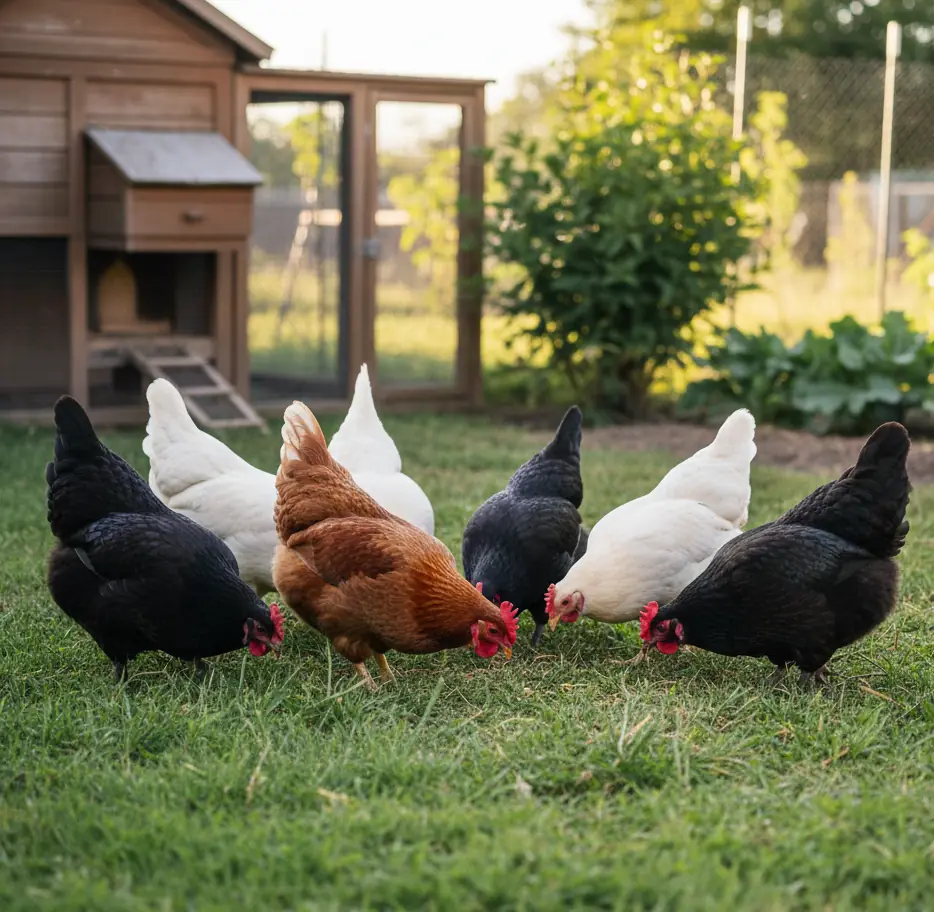 Chicken
Directly Compatible
Chicken
Directly Compatible
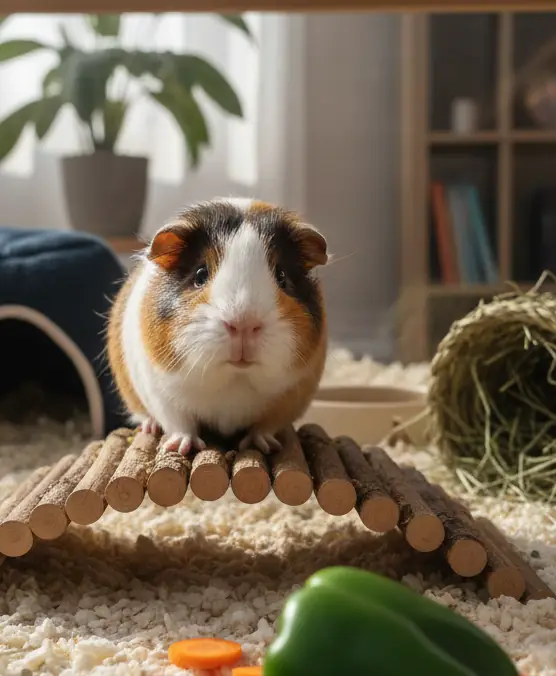 Guinea Pig
Use with Caution
Guinea Pig
Use with Caution