Preparation
1Melt the suet slowly in a saucepan over low heat, stirring occasionally, until it's completely liquid and clear. Don't rush this with high heat — scorched suet smells terrible and birds will avoid it.
2While the suet melts, combine the chopped peanuts, hulled sunflower seeds, cornmeal, and raisins in a large mixing bowl. Toss until everything is evenly distributed.
3Pour the melted suet over the dry ingredients and stir thoroughly until every seed and nut is coated in a thin layer of fat. The mixture should look glossy and hold together when you press it with a spoon.
4Line a small baking dish or muffin tin with wax paper or parchment, then press the mixture firmly into the mold. Pack it tight — air pockets make crumbly blocks.
5Refrigerate for at least 2 hours until rock solid. Pop the blocks out of the molds, wrap individually in wax paper, and store in the fridge or freezer until migration season calls.
6To serve, place a block in a wire suet cage or stuff it into a mesh onion bag and hang it from a sturdy branch at least 5 feet off the ground.
Best Time to Serve
Hung from branches during spring and fall migration windows
Purpose
Migration is the most brutal endurance event in nature. A tiny warbler weighing less than a AA battery can fly across the Gulf of Mexico in a single 18-hour nonstop flight, arriving with almost zero body fat left. These blocks are designed to be calorie-dense pit stops — packed with fats and proteins that migratory birds can convert into flight fuel within hours. Your yard becomes a rest area on the interstate of the sky.
When to Use
Hang these during peak spring migration (April-May) and fall migration (September-October). Place them near water sources — migrants need to drink and bathe almost as desperately as they need to eat. Even if you don't see the migrants using them, trust that they're visiting overnight and at dawn.
What to Expect
Dense, waxy blocks studded with seeds and dried fruit that look like fancy artisan granola bars. They have a rich, nutty smell and hold their shape even in mild heat. When you hang one from a branch, it swings gently like a tiny buffet chandelier.
Does Not Fix
Cannot make migration shorter, safer, or less terrifying. Window strikes, storms, and habitat loss are problems these blocks can't solve — but a full belly improves survival odds enormously.
Time to Effect
Arriving migrants can convert fat calories into usable flight energy within 4-6 hours of feeding. A single good feeding day can provide enough fuel for the next 200-mile leg.
Safety Risks
In temperatures above 80°F, suet can melt and drip onto feathers, which impairs waterproofing and insulation. Switch to no-melt dough recipes (skip the suet, use peanut butter as the binder) during hot spells.
Hang blocks at least 5 feet off the ground and away from surfaces where cats can launch an ambush on focused, feeding birds.
Replace blocks every 2 weeks in warm weather — rancid fat harbors dangerous bacteria.
Enrichment Ideas
Easy: Hang the block from a branch with a string and watch woodpeckers, nuthatches, and chickadees perform acrobatic feats to reach it.
Medium: Stuff the mixture into a pinecone and wedge it into a tree fork — it mimics the natural crevice-foraging that many migrants use in the wild.
Hard: Create a "migration station" with a suet block, a shallow birdbath, and a brush pile for cover all within 10 feet of each other. Exhausted migrants need food, water, and shelter in close proximity.
Owner Tips
Fall migration blocks should go up by mid-September and stay out through late October. Spring blocks from early April through late May.
Don't be discouraged if you don't see migrants at the blocks during the day — many species migrate at night and refuel at dawn. Check for beak marks and missing chunks early in the morning.
Freeze a batch of 6-8 blocks in September and rotate them out every two weeks through the whole migration window.
If you see a bird you've never seen before frantically eating from the block, congratulations — you just helped a migrant survive the trip. Take a photo and check a field guide.
Place blocks on the south or east side of your yard where morning sun warms migrants who roosted overnight in nearby trees.
 Budgerigar
Use with Caution
Budgerigar
Use with Caution
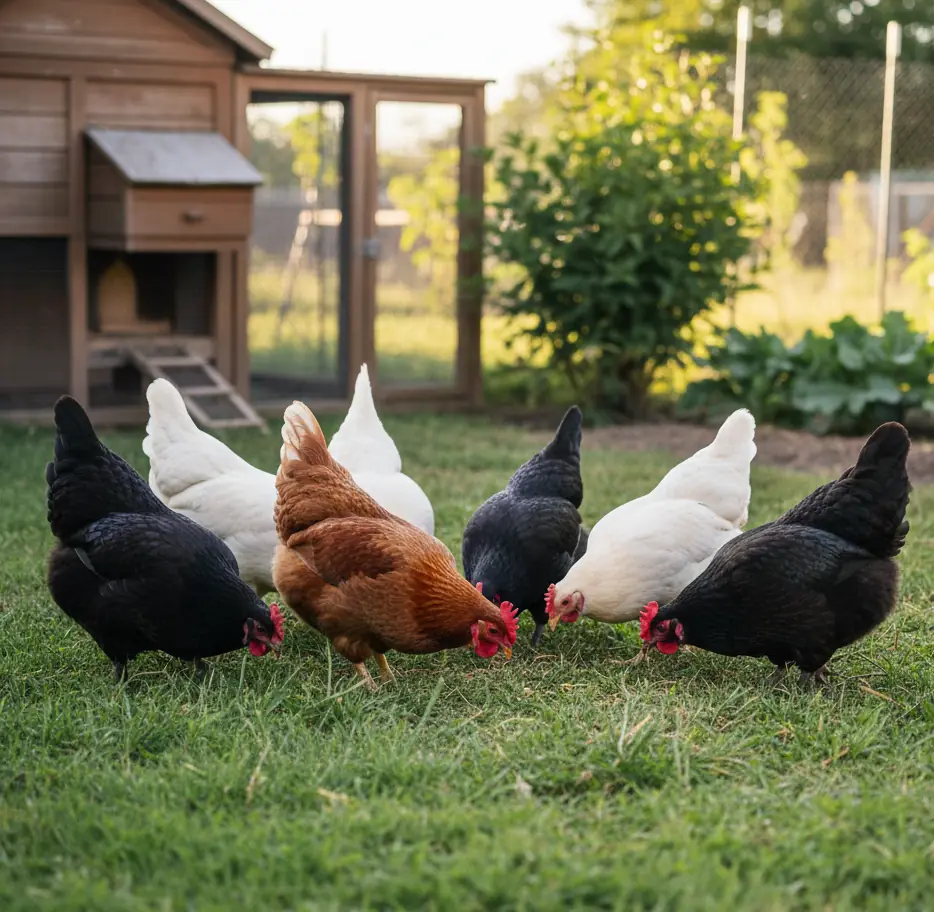 Chicken
Compatible with Adjustments
Chicken
Compatible with Adjustments