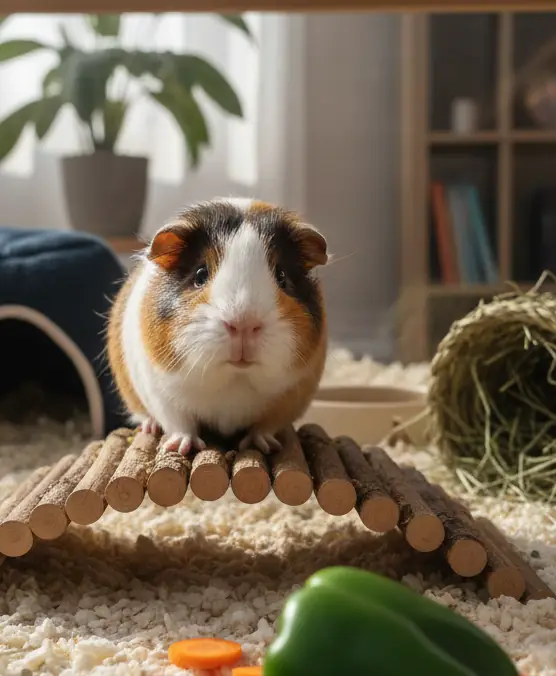
Preparation
1Finely dice the red bell pepper into pieces no bigger than your pinky fingernail. When a guinea pig feels unwell, they won't work hard to eat — the smaller the pieces, the more likely they are to actually consume them.
2Mash the strawberry with a fork in the serving bowl until it's a rough, chunky pulp with visible juice. Don't turn it into a smoothie — just break it down enough to release the aroma and moisture.
3Add the diced pepper to the strawberry mash and toss gently so each piece gets coated in strawberry juice. This is the flavor trick that gets reluctant eaters interested.
4Sprinkle the chopped parsley and diced cucumber over the top and give one final gentle mix.
5Serve in a small, low-sided dish placed near your guinea pig's favorite resting spot — don't make a sick piggy walk across the whole cage for their medicine. Sit nearby and talk softly while they eat. They know your voice, and it helps.
Best Time to Serve
Morning, when your piggy is most alert and receptive to eating
Purpose
This is not a fun salad — this is a nutritional intervention. Guinea pigs cannot produce their own vitamin C, and deficiency sneaks up fast: rough coat, lethargy, swollen joints, reluctance to move. This recipe packs the highest-C foods in the guinea pig pantry into one small, easy-to-eat serving that even a piggy feeling under the weather can manage. The soft textures and high juice content make it accessible for guinea pigs who've lost their appetite or have sore gums.
When to Use
Use this when you notice your guinea pig seems off — dull coat, moving slowly, flinching when touched, or just not acting like themselves. It's not a replacement for a vet visit (seriously, go to the vet), but it's an excellent first response while you book that appointment. Also useful as a weekly booster during winter when fresh produce variety might drop.
What to Expect
A small, intensely colored mound of finely diced red and yellow — glistening pepper pieces mixed with mashed strawberry, a drizzle of natural juice pooling at the edges. It looks like a tiny jewel pile, and it smells like a fruit stand on a summer morning.
Does Not Fix
This is first aid, not a cure. If your guinea pig has actual scurvy symptoms (swollen joints, bleeding gums, limping), they need a vet and likely injectable vitamin C. This recipe supports recovery — it doesn't replace medical care.
Time to Effect
Vitamin C absorbs within 1-3 hours. You may notice improved energy and alertness within a day or two of consistent daily servings, but visible coat and joint improvement takes 1-2 weeks.
Safety Risks
This recipe is NOT a substitute for veterinary care. If your guinea pig shows signs of scurvy — swollen or stiff joints, bleeding gums, limping, lethargy, rough coat — call your vet immediately. Vitamin C drops support recovery but cannot reverse advanced deficiency alone.
Vitamin C degrades rapidly when exposed to air and light. Prepare this fresh each time and serve within an hour. Yesterday's vitamin C rescue is today's soggy disappointment with no nutritional value.
Do not add vitamin C supplements to water bottles — guinea pigs hate the taste, will drink less water, and the vitamin C breaks down in water within hours anyway. Food-based C (like this recipe) is always the better route.
Enrichment Ideas
Easy: Hand-feed small pieces directly to your guinea pig to encourage eating and strengthen your bond during a stressful time.
Medium: Place a tiny amount on a flat stone or ceramic tile — the different surface texture can spark curiosity in a piggy who's ignoring their regular bowl.
Hard: If your piggy is well enough to forage, tuck small amounts inside loosely crumpled hay balls so they have to nose through to find each piece — gentle mental stimulation during recovery.
Owner Tips
Learn the early signs of vitamin C deficiency: a coat that looks "puffed up" or rough, reluctance to move, sensitivity when handled, and small wounds that heal slowly. Catching it early makes all the difference.
A healthy adult guinea pig needs 10-30mg of vitamin C per day. A single 1/4 red bell pepper delivers roughly 45mg — that's your daily safety net in one ingredient.
If your guinea pig refuses to eat entirely, contact your vet about syringe-feeding Critical Care (a commercial recovery formula) mixed with a few drops of bell pepper juice. Don't wait more than 24 hours — guinea pigs who stop eating can deteriorate very quickly.
Keep a bag of frozen bell pepper strips in the freezer as emergency backup. Frozen peppers retain most of their vitamin C and can be thawed in minutes when fresh isn't available.
This recipe works as a weekly wellness booster even for healthy piggies — think of it as a multivitamin in salad form.
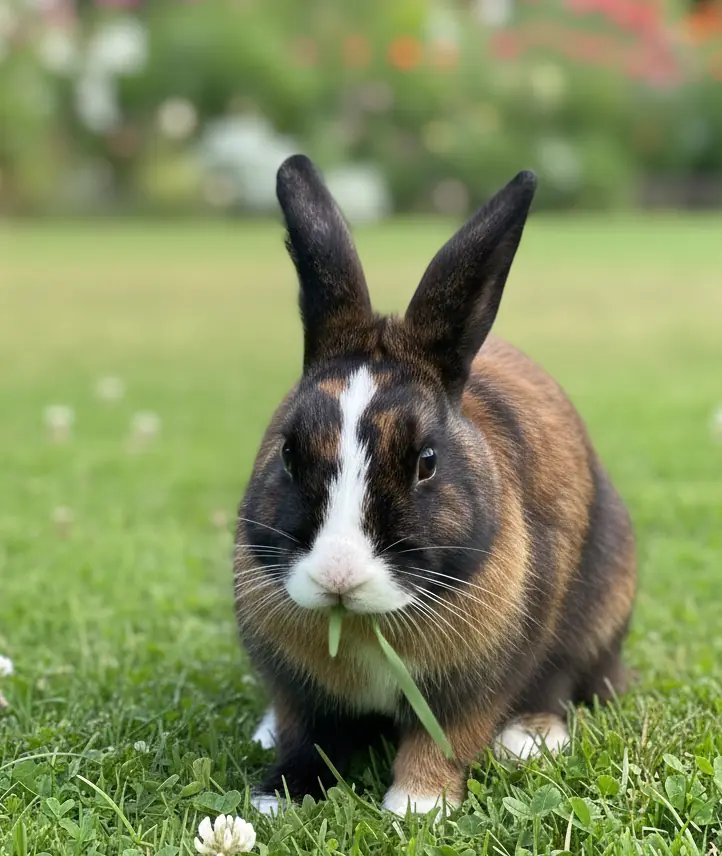 Domestic Rabbit
Compatible with Adjustments
Domestic Rabbit
Compatible with Adjustments
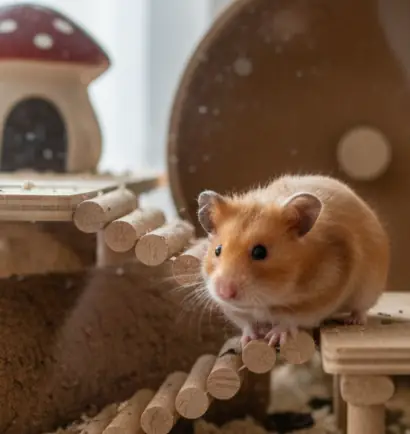 Hamster
Use with Caution
Hamster
Use with Caution