Preparation
Rinse well, tear into manageable pieces, and feed in moderation. Skip wilted or yellowed leaves. No need to cook it.
Quantity
A couple of big leaves per bird, two or three times a week is plenty. Don't make it an everyday thing — kale contains goitrogens that can interfere with thyroid function if fed too heavily.
Notes
Kale is great as a supplement to their regular feed, not a replacement. Laying hens especially benefit from its calcium and vitamin K, but the goitrogen concern means variety is key. Rotate with other greens like spinach, lettuce, and bok choy.
Nutritional Benefits
* Loaded with vitamin A — keeps eyes sharp and immune systems strong, which matters when your flock is ranging outdoors
* Vitamin K supports healthy blood clotting and bone metabolism — particularly useful for older hens
* Calcium content gives laying hens a little extra help building strong eggshells
* Vitamin C gives the immune system a boost, especially handy during cold snaps or stressful flock changes
* Antioxidants like lutein and zeaxanthin support long-term cellular health
Safe Varieties
1. Curly kale — the classic, widely available, chickens love pecking apart the ruffled leaves
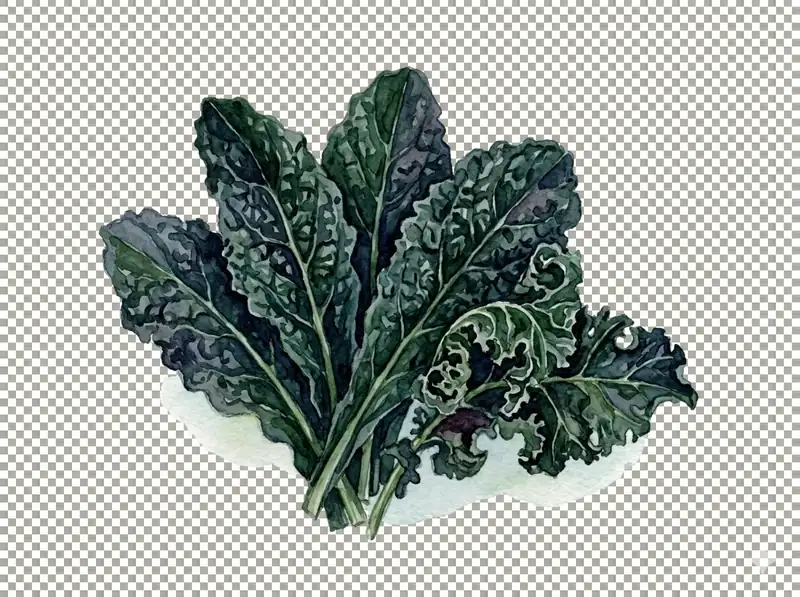
2. Lacinato (Tuscan/dinosaur) kale — flatter, slightly sweeter, easy to tear into pieces
3. Red Russian kale — tender stems, milder flavor, great if you grow your own
4. Baby kale — softer texture, good for younger birds or those new to greens
5. Ornamental kale — technically edible but grown for appearance, lower nutritional density; skip this one if you have the real stuff
Feeding Guide
A standard flock of 4–6 birds does well with 3–4 large leaves torn up and scattered, offered 2–3 times per week. If you have heavy layers, lean toward the lower end — they're already working hard.
Young chicks (under 8 weeks) should only have tiny amounts as a rare treat; their digestive systems are still getting up to speed.
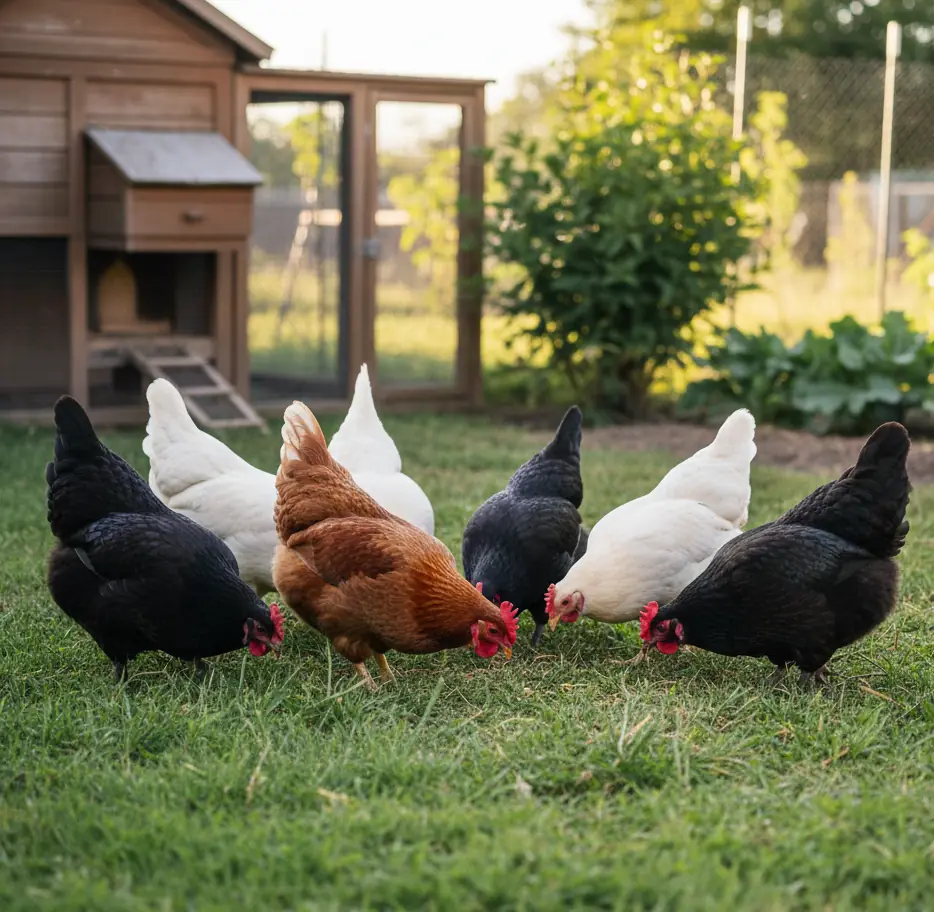
Free-range flocks that already graze on diverse plants need less supplemental kale — they're getting variety naturally.
Positive Signs
* Hens come running when they see the leaves — enthusiastic interest is always a good sign
* Bright eyes, alert posture, and good energy levels after regular feeding
* Consistent eggshell quality (firm, no soft spots) in laying hens
* Healthy plumage — vitamin A plays a role in feather condition
Negative Signs
* Loose or watery droppings — a sign you've given too much, scale back immediately
* Reduced egg production or soft-shelled eggs over time — possible thyroid disruption from overfeeding goitrogenic greens
* Any hen that seems lethargic or uninterested in food after a kale-heavy period — ease off and reintroduce variety
* Crop problems like slow emptying — too many tough leaves at once can be hard to process
Preparation Science
Rinsing removes surface pesticides and soil bacteria that could upset the gut. Tearing the leaves rather than leaving them whole slows the feeding frenzy just enough to prevent any one bird from gulping too much at once.
Enrichment Science
Foraging behavior is hardwired into chickens, and hanging leafy greens triggers that instinct in a big way. Pecking, tearing, and chasing leaves around the run gives them genuine mental and physical stimulation beyond just nutrition.
Play Ideas
Easy: Toss a handful of torn kale leaves into the run and watch the chaos unfold — chickens will sprint, flap, and steal from each other like it's the greatest game ever invented.
Medium: Hang a whole kale stalk from a hook or rope at hen-height — they'll jump and peck at it for a good workout.
Hard: Weave kale leaves through the wire of the run or into a treat ball so they have to work leaf by leaf — extends the session and keeps the more dominant hens from hogging everything.
FAQ
Q: Can I feed kale every day?
A: Better not. Kale contains goitrogens — compounds that can mess with thyroid function in high doses. A few times a week is the sweet spot. Rotate with other leafy greens and your flock gets all the benefits without the risk.
Q: Does cooking kale remove the goitrogens?
A: Yes, cooking does reduce goitrogen levels significantly — but there's really no need to cook it for chickens. Just moderate the raw serving size and you're fine.
Alternatives
* Spinach — another nutritional powerhouse but also contains oxalic acid which binds calcium; better rotated with kale than used as a direct swap
* Romaine lettuce — much lower goitrogen content, safe daily, but also lower nutrient density; great for hydration and filler greens
* Bok choy — mild, crunchy, and chickens love it; slightly lower in vitamins than kale but with less goitrogen risk, making it a great rotation partner
* Swiss chard — good vitamin content but contains oxalates like spinach; use occasionally rather than as your main leafy green
Risks & Disclaimer
Kale is safe and nutritious for chickens when fed a few times a week as part of a varied diet — the goitrogen concern only kicks in with excessive daily feeding over a long period. Keep it in rotation alongside other greens and your flock will thrive.