Preparation
1Cook the oats with warm water on the stovetop over medium heat, stirring until you have a thick, stick-to-the-spoon porridge. Pull it off the heat and let it cool to "comfortably warm" — not hot.
2While the oats cook, scramble the eggs in a dry non-stick pan over medium heat. No oil, no butter. Break them into small crumbles with your spatula as they cook — you want bits, not a fluffy omelet.
3Fold the scrambled egg crumbles and sunflower seeds into the warm porridge. Stir in the chopped kale last so it wilts slightly from the residual heat but keeps its nutrients.
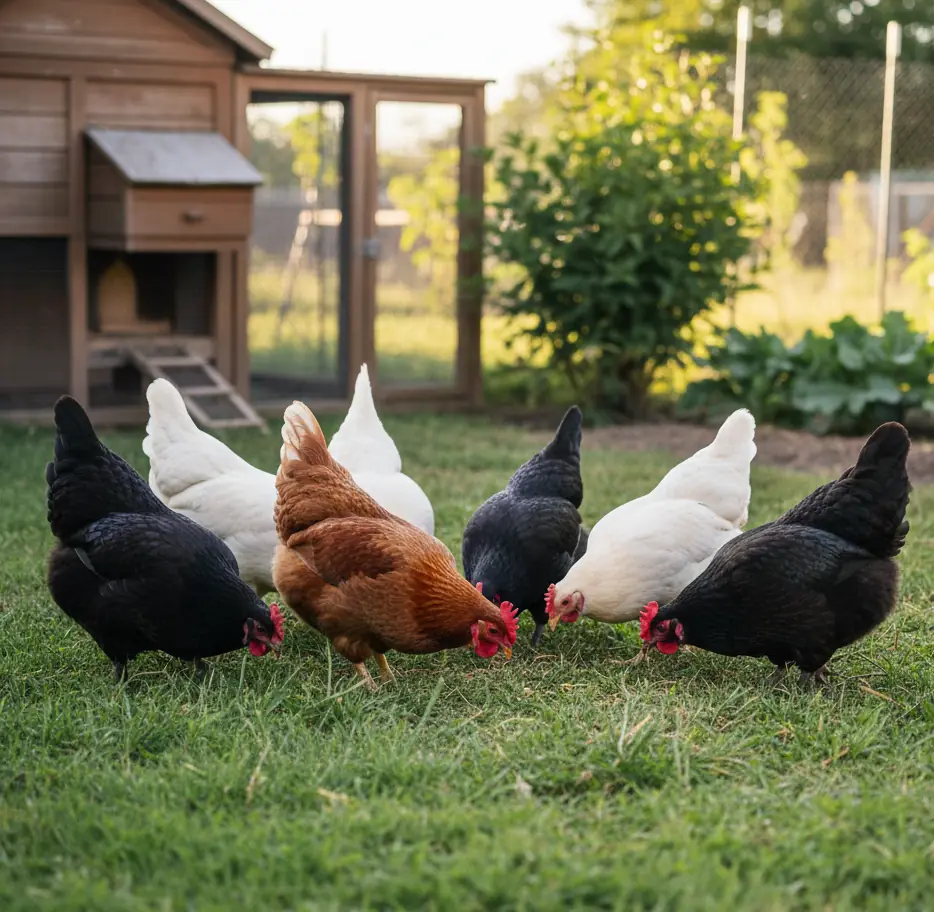
4Serve immediately in a wide, shallow dish so multiple hens can eat side-by-side without anyone getting shouldered out by the flock boss.
Best Time to Serve
Early morning when body temperature is lowest
Purpose
Molting is brutal. Your hens stop laying, look like they lost a fight with a lawnmower, and act like the world is ending. This porridge delivers a concentrated blast of protein (feathers are 85% protein) along with warming, easy-to-digest comfort food that helps them rebuild their plumage without crashing their energy reserves. It's a warm hug in a bowl for a very naked, very grumpy bird.
When to Use
Serve daily during the active molt (when you start finding feathers everywhere like the world's worst pillow fight) and for 2 weeks after the last pin feathers open. Also useful for hens recovering from predator attacks or feather-picking injuries.
What to Expect
A thick, lumpy, steaming gray-gold porridge studded with dark flecks of seeds and tiny bits of scrambled egg. It looks like prison food but smells amazing, and your hens will inhale it so fast you'll wonder if they even chewed. (They didn't. Chickens don't chew.)
Does Not Fix
Won't speed up the molt timeline — that's hormonal and light-dependent. But it WILL make sure the feathers that grow back are strong, glossy, and properly waterproofed.
Time to Effect
7-10 days for visible pin feather development; full plumage recovery in 4-8 weeks depending on the individual bird.
Safety Risks
Always let the porridge cool to lukewarm before serving — a burned crop is a veterinary emergency.
Do not add salt, butter, or milk to the oats or eggs. Chickens don't need sodium and can't properly digest large amounts of dairy.
During molt, hens are extra irritable and may fight over food more than usual — use a wide dish or multiple feeding stations.
Enrichment Ideas
Easy: Serve in a wide flat tray on the ground so it mimics natural ground-foraging and lets every hen get a spot.
Medium: Spread the porridge thinly on a wooden board and let them peck it off the surface — slows down the speed-eaters.
Hard: Freeze individual portions in silicone muffin molds and serve them semi-thawed so the hens have to work through the cold outer layer to reach the warm center.
Owner Tips
Don't be alarmed if egg production drops to zero during molt — that's normal. Their body is redirecting all protein resources to feather growth. This porridge supports the process, not fights it.
Handle molting hens gently. Those pin feathers are filled with blood and HURT when touched. They're not being dramatic — they're genuinely sore.
If one hen is molting harder than the others (the "naked chicken"), give her a private porridge session away from the flock. She's stressed enough without getting pecked while eating.
You'll know the porridge is working when the pin feathers start opening into sleek, richly-colored plumage. There's nothing more satisfying than watching a bald, miserable hen turn back into a gorgeous bird.
This recipe freezes well in ice cube trays — pop one out and microwave for 20 seconds on cold mornings for an instant molt meal.
 Backyard Birds
Compatible with Adjustments
Backyard Birds
Compatible with Adjustments