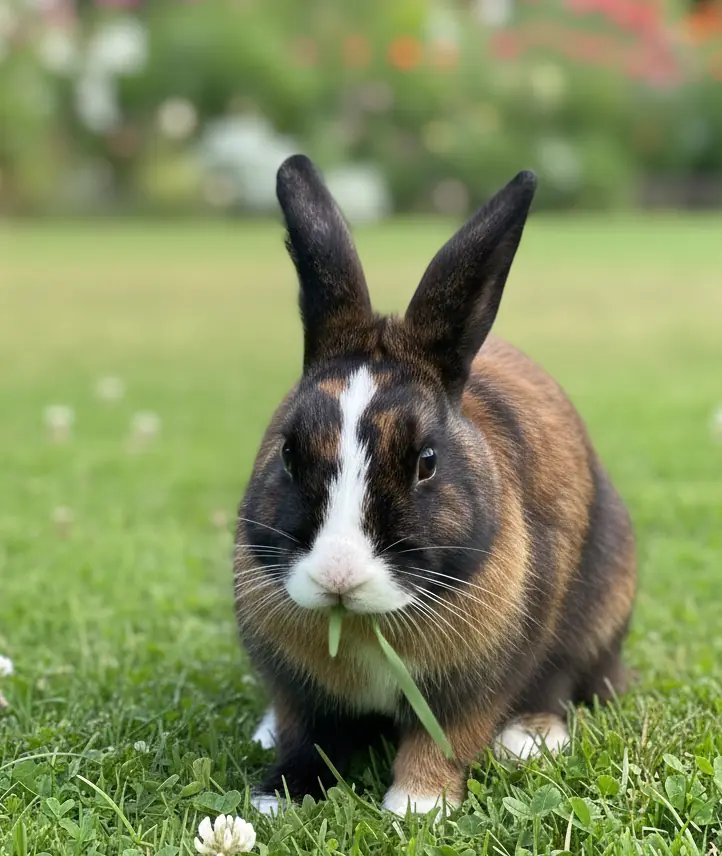
Preparation
1Wash all greens and herbs thoroughly under cool running water. Give them a gentle shake or pat dry — a little moisture is fine and actually adds to the hydration value.
2Tear the dandelion greens and romaine into bite-sized pieces. Toss them in a bowl with the whole cilantro sprigs and torn basil leaves. Snip the chopped timothy hay over the top and give it all a gentle mix so the hay fibers cling to the wet leaves.
3Serve immediately as your rabbit's evening greens portion. Place it in their usual feeding spot at the same time each night — consistency helps their gut bacteria establish a rhythm.
Best Time to Serve
Evening meal, 2-3 hours before your rabbit typically produces cecotropes (usually late night or early morning)
Purpose
Here's the thing nobody tells new rabbit owners: those soft, shiny, grape-cluster poops your rabbit eats directly from their own body are not gross — they're essential. Cecotropes are packed with B vitamins, fatty acids, and microbial protein that your rabbit literally cannot get any other way. When the cecotropes are well-formed and nutrient-dense, everything else improves — coat, energy, immune function, all of it. This recipe optimizes the gut flora that PRODUCES those cecotropes, so the whole system runs like a well-oiled machine.
When to Use
Use daily as part of your rabbit's regular evening greens rotation. Especially important for rabbits producing mushy, malformed, or uneaten cecotropes — that's a sign the hindgut fermentation isn't working at peak efficiency.
What to Expect
A fragrant little salad of dark leafy greens, aromatic herbs, and a whisper of hay dust that looks like something from a tiny rabbit-sized farm-to-table restaurant. It smells green and earthy and fresh, and your rabbit will dive in face-first approximately 0.3 seconds after you set it down.
Does Not Fix
If your rabbit is consistently producing mushy cecotropes that stick to their fur, it could indicate overfeeding pellets, too many sugary treats, or an underlying health issue. Talk to your vet if dietary adjustments don't improve things within a week.
Time to Effect
3-5 days of consistent feeding for noticeably improved cecotrope quality. Full gut flora optimization takes 2-3 weeks.
Safety Risks
Introduce new greens gradually — sudden diet changes are one of the most common triggers for digestive upset in rabbits. If your bun isn't used to dandelion, start with one leaf and build up over a week.
Monitor cecotrope output after starting this blend. Well-formed cecotropes look like small, dark, shiny grape clusters and should be consumed directly by your rabbit. If they're being left uneaten and smeared around the enclosure, something else is going on — talk to your vet.
Enrichment Ideas
Easy: Serve the salad in a shallow bowl and let your rabbit dive in — sometimes simple is best.
Medium: Scatter the greens mixture across a large ceramic plate or tray so your rabbit has to move around and select pieces individually, mimicking natural grazing.
Hard: Stuff the greens mix loosely into a paper towel tube with hay packed at both ends — your rabbit has to shred through the hay "corks" to access the fragrant greens inside.
Owner Tips
The number one cause of poor cecotropes is too many pellets and not enough hay. Before adding any recipe to your rabbit's diet, make sure hay is truly unlimited and pellets are measured (1/8 cup per 5 lbs of body weight for adults).
Rotate your greens daily. Monday: dandelion + cilantro. Tuesday: parsley + romaine. Wednesday: basil + carrot tops. Variety is what builds a diverse, resilient gut microbiome.
If you notice your rabbit isn't eating their cecotropes, check their weight. Overweight rabbits physically can't reach their cecotropes, which creates a vicious cycle — they miss the nutrients, the gut flora suffers, and the cecotropes get worse. Weight management is cecotrope management.
The best cecotropes have a distinct, strong odor that's earthy and fermented. If yours is cringing at the smell — congratulations, it means your rabbit's hindgut is fermenting beautifully. You've made excellent poop fuel. Be proud.
Fresh herbs from your own garden are ideal — no packaging, no transport, no mystery pesticides. Cilantro, parsley, and basil all grow easily in pots on a windowsill, and your rabbit will absolutely notice the quality difference.
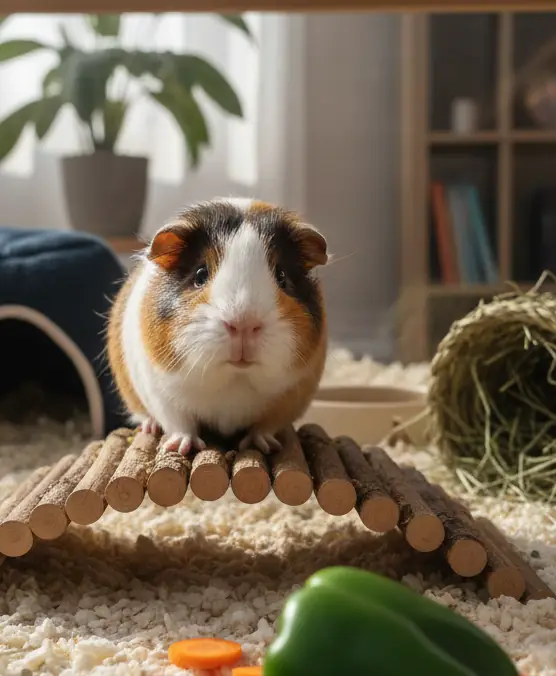 Guinea Pig
Compatible with Adjustments
Guinea Pig
Compatible with Adjustments