Preparation
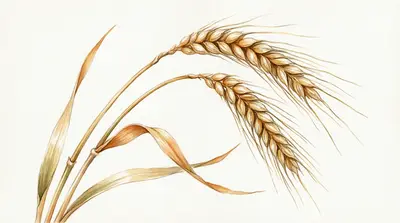
Never feed whole raw barley — it's extremely hard and poorly digested. Always feed rolled, crimped, steam-flaked, or boiled. Whole barley must be processed or cooked before feeding.
Quantity
0.5-2 kg per day depending on workload, split across meals. Never exceed 2 kg of starch in a single feeding. Always feed alongside adequate forage (hay).
Notes
Barley is denser in energy than oats but lower in fiber, which means it needs more careful portioning. It's a great choice for horses in moderate to hard work who need more calories without the bulk of oats. Not ideal as the sole grain for easy keepers or horses at maintenance.
Nutritional Benefits
* Higher energy density than oats — more calories per kilogram for horses in work
* Good source of digestible fiber, especially as a complement to hay-based diets
* Contains B vitamins (thiamine, niacin) that support energy metabolism
* Provides manganese and selenium for antioxidant defense and muscle function
* The mucilage in cooked barley can soothe the digestive tract — old horsemen knew this trick
Safe Varieties
1. Steam-flaked barley — best digestibility, most nutrient-available form
2. Rolled barley — good everyday option, widely available at feed stores
3. Crimped barley — similar to rolled, slightly less processed
4. Boiled barley — traditional warm mash form; excellent for cold nights or convalescing horses
5. Whole raw barley — too hard to chew and digest properly; always process first
Feeding Guide
Light work or maintenance: 0.5-1 kg per day (split into two meals).
Moderate work: 1-1.5 kg per day.
Hard work or competition: 1.5-2 kg per day, split across 2-3 meals.
Never exceed 2 kg of starch in a single meal — spread it out to protect the hindgut.
Positive Signs
* Steady energy levels without spookiness or hyperactivity
* Maintaining or gaining condition appropriately for workload
* Normal, well-formed manure with no undigested grain visible
* Good coat condition and overall bright, alert demeanor
Negative Signs
* Undigested barley grains in manure — the grain isn't processed enough; switch to steam-flaked
* Sudden excitability or weight gain — you may be feeding too much for the workload
* Loose stools or mild colic signs — reduce the amount and increase gradually
* Laminitis risk signs (warm hooves, reluctance to walk) — stop grain and call your vet immediately
Preparation Science
Barley's starch granules are tightly packed and coated in a tough hull, making whole barley very poorly digested by horses. Steam-flaking gelatinizes the starch, which increases pre-cecal digestion from around 25% (whole) to over 80% (flaked). That's why processing isn't optional — it's essential.
Enrichment Science
Horses evolved to trickle-feed throughout the day. Mixing barley into a chaff or hay-based hard feed extends eating time and prevents the bolting behavior that comes with concentrated grain meals. Slower eating means better chewing, more saliva, and healthier gastric pH.
Play Ideas
Easy: Mix barley into a chaff and hay blend to slow down eating and encourage sorting.
Medium: Use a slow-feeder ball filled with rolled barley — your horse has to nudge it around to get the grain.
Hard: Scatter small handfuls of barley across a clean paddock for a ground-level foraging session.
FAQ
Q: Is barley better than oats for my horse?
A: Depends on the horse. Barley has more energy per kilo, so it suits harder-working horses. Oats are lighter, more fibrous, and gentler on easy keepers. Many owners mix both for a balanced feed. Neither is "better" — they just serve different needs.
Q: Can I feed whole barley straight from the bag?
A: No — whole barley is too hard and will pass through largely undigested. You'll literally see whole grains in the manure. Always feed it rolled, crimped, steam-flaked, or boiled. Processing is what makes barley nutritionally available to horses.
Alternatives
* Oats — lighter, more fibrous, safer for beginners; barley gives more energy per kilo but needs processing
* Corn — highest energy grain but generates more metabolic heat; barley is the cooler-running option
* Beet pulp — high fiber, low starch, excellent for condition without the grain risks; great complement to barley
* Timothy hay pellets — a grain-free calorie source for horses who can't handle starch at all
Risks & Disclaimer
Barley is safe and nutritious when properly processed and fed in appropriate amounts. Never feed whole raw barley, and always respect starch limits (no more than 2 kg per meal) to protect your horse's hindgut. When in doubt, consult your equine nutritionist.