Preparation
Wash thoroughly to get rid of any grit or hidden chemicals. Chop it up into small, hamster-friendly confetti.
Quantity
A small leaf or a teaspoon of chopped kale, 2-3 times a week is a great goal.
Notes
Kale is one of the better leafy greens for hamsters because it's lower in oxalates than spinach, so you can offer it a bit more often. It's a fantastic source of vitamins without the worry.
Nutritional Benefits
* An incredible source of Vitamin K, which is essential for proper blood clotting and strong bones.
* Loaded with Vitamin A for sharp vision and a healthy coat.
* Provides a good amount of Vitamin C to support their immune system.
* Full of fiber and antioxidants that help fight inflammation and keep things moving.
Safe Varieties
1. Curly Kale: The most common type. Those frilly edges are fun for them to pick at and provide a great texture.
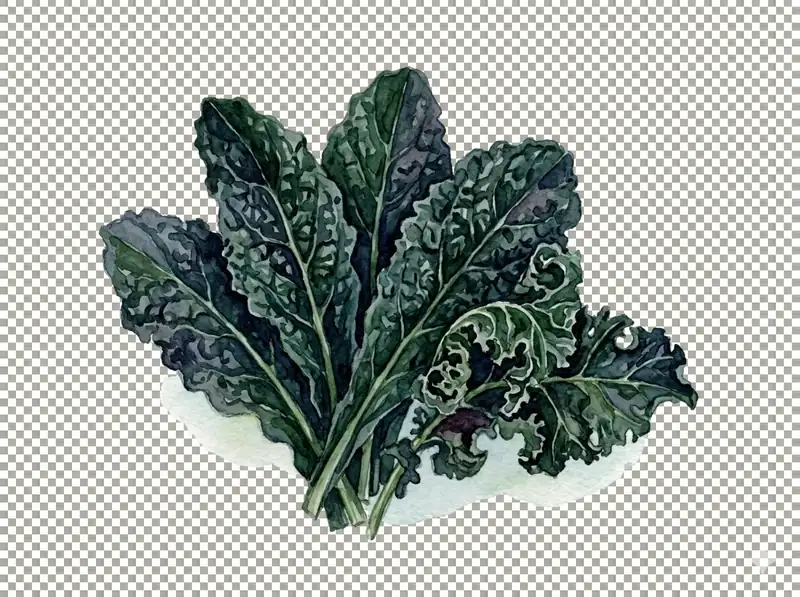
2. Lacinato Kale (Dinosaur Kale): Has dark, bumpy leaves. It's a bit more tender and slightly sweeter—often a hit!
3. Red Russian Kale: Flat, oak-shaped leaves with purple stems. Perfectly safe and pretty to look at.
4. What to Avoid: Avoid kale that's wilted, yellowing, or slimy. Like all greens, never feed it cooked with seasonings, oils, or other people-food ingredients.
Feeding Guide
* Syrian Hamster: One medium leaf or about 1-2 teaspoons of chopped kale, up to 3 times a week.
* Dwarf Hamster: Half a small leaf or about half a teaspoon of chopped kale, 2-3 times a week.
* Variety is Key: Even though it's safe to feed often, rotate it with other veggies to give them a broad range of nutrients.
Positive Signs
* Your hamster goes to town on the curly edges, clearly enjoying the texture.
* A healthy, active hamster with a shiny coat.
* They stash a few pieces for later, which is fine as long as you check for and remove any forgotten, dried-up bits.
Negative Signs
* Gas or bloating. Some hamsters are sensitive to brassicas (the cabbage family). If they seem puffy or uncomfortable, cut back.
* Loose stools if they eat too much fiber at once.
* They ignore it completely—some hamsters just aren't kale fans!
Preparation Science
Chopping kale into smaller pieces prevents them from dragging a whole, large leaf into their nest where it could spoil. It also mimics the size of forage they might find in nature.
Enrichment Science
The complex, curly shape of kale is a puzzle in itself. Hamsters enjoy manipulating the leaf with their paws and teeth to tear off manageable pieces, which is excellent for fine motor skills and dental health.
Play Ideas
Easy: Stuff a small piece of kale into a clean cardboard tube. They'll have to pull it out to eat it.
Medium: Wrap a tiny, hamster-safe treat (like a piece of oat) inside a kale leaf to make a little green burrito.
Hard: Create a "foraging box" by mixing chopped kale with shredded paper, hay, and a few safe twigs for them to dig through.
FAQ
Q: Is curly kale better than flat kale?
A: Not better, just different! Curly kale offers a more interesting texture, which can be more fun for them to eat. Both are equally nutritious.
Q: Can kale replace their regular pellets?
A: No way! Pellets are nutritionally balanced to be their main food. Kale is a healthy supplement, like a vitamin-packed side salad, not the main course.
Alternatives
* vs. Spinach: Kale is generally the winner for regular feeding because it has fewer oxalates, which means less risk of interfering with calcium absorption.
* vs. Romaine Lettuce: Kale is much more nutrient-dense. Romaine is mostly water and fiber, while kale is a vitamin powerhouse.
* vs. Broccoli Leaves: Similar nutrition! If you buy broccoli with the leaves on, those are safe and a great zero-waste alternative to kale.
* vs. Cabbage: Both are brassicas, but kale is usually more nutrient-packed. Cabbage is safe but can cause more gas in sensitive tummies.
Risks & Disclaimer
Kale is a fantastic, safe, and healthy green for your hamster. The biggest risk is simply not washing it well enough. Just like with any new food, start slow, watch their tummy, and you'll both be happy with this superfood snack!