Preparation
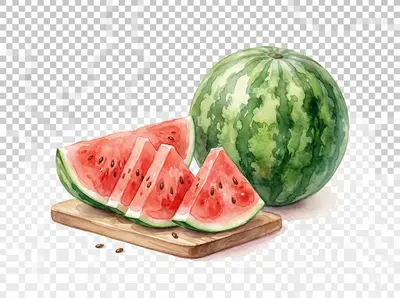
Remove ALL seeds — they can cause intestinal blockages. Ditch the rind too, as it's tough to digest and can cause gastrointestinal upset. Serve only the pink fleshy part, cut into chunks.
Quantity
Small dogs (under 10kg): a few small cubes. Medium dogs (10-25kg): about a cup of cubes. Large dogs (25kg+): up to two cups.
Notes
Seedless watermelon is the easiest option. The high water content means your dog might need extra bathroom breaks — totally normal.
Nutritional Benefits
* 92% water — brilliant for hydration on hot days
* Vitamins A, B6, and C support immunity and skin health
* Lycopene is a powerful antioxidant linked to heart health
* Low in calories — great guilt-free treat for dogs watching their weight
* Potassium supports proper muscle and nerve function
Safe Varieties
1. Fresh seedless watermelon — the easiest and safest option
2. Fresh seeded watermelon — just pick out every seed before serving
3. Frozen watermelon cubes — the ultimate summer dog treat
4. Pureed watermelon — freeze into ice lollies or pour over food
5. Watermelon chunks with rind removed — make sure no green or white part remains
Feeding Guide
Small dogs (under 10kg): A few bite-sized cubes as an occasional treat.
Medium dogs (10-25kg): About one cup of cubes.
Large dogs (25kg+): Up to two cups, but not in one sitting.
Puppies: A couple of small, mushy pieces — go easy on those tiny stomachs.
Positive Signs
* Slurps it up happily and stays hydrated
* No digestive trouble — stools remain normal
* Gets visibly excited at the sight of watermelon cubes
* Good energy levels and hydrated gums after eating
Negative Signs
* Diarrhoea or very loose stools — too much water and sugar at once
* Vomiting — may have eaten rind or seeds, check what they got into
* Bloating or discomfort — cut back the portion size
* Excessive urination — normal with high water content, but ease off if excessive
Preparation Science
Fresh watermelon retains the most lycopene and Vitamin C. Freezing doesn't significantly reduce nutrient content and adds a fun texture challenge. The redder the flesh, the more lycopene it contains — pick a ripe one for maximum benefit.
Enrichment Science
The juicy, messy texture of watermelon activates different sensory experiences for your dog. Licking, chewing, and slurping all trigger different pleasure pathways in the brain, making watermelon a multi-sensory treat.
Play Ideas
Easy: Toss frozen watermelon cubes across the floor and let your dog chase them.
Medium: Puree watermelon and freeze in an ice cube tray for refreshing summer pops.
Hard: Freeze a watermelon puree inside a Kong layered with plain yogurt for a multi-texture puzzle.
FAQ
Q: What happens if my dog eats watermelon seeds?
A: A few seeds won't cause an emergency, but in larger amounts they can cause an intestinal blockage — especially in small dogs. Seedless is always the safer bet.
Q: Can my dog eat the watermelon rind?
A: Nope, skip the rind. It's really tough to digest and can cause vomiting, diarrhoea, or even a blockage. Stick to the juicy pink part only.
Alternatives
* Cucumber — even fewer calories with similar hydration, less sweet
* Cantaloupe — similarly hydrating with more beta-carotene, but higher in sugar
* Strawberries — less hydrating but more antioxidant-dense
* Apple — crunchier with good fibre, but much less water content
Risks & Disclaimer
Watermelon flesh is perfectly safe for dogs. The two rules: no seeds and no rind. Start with small amounts, especially the first time, and your dog will have a blast with this summer favourite.