Preparation
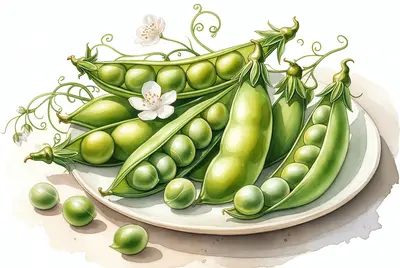
Fresh, frozen (thawed or straight from the bag), or steamed — all good. No canned peas (too much sodium). Remove peas from the pod for small dogs; larger dogs can eat sugar snap or snow pea pods whole. No seasoning, butter, or sauces.
Quantity
A tablespoon or two mixed into food for small dogs, a couple of tablespoons for medium dogs, up to a quarter cup for large dogs. Several times a week is perfectly fine.
Notes
Some veterinary nutritionists have flagged a possible link between legume-heavy diets and dilated cardiomyopathy (DCM) in dogs — but this applies to diets where peas are a primary protein/carb source, not occasional treat use. As a supplemental snack or food topper, peas are considered safe by mainstream veterinary consensus.
Nutritional Benefits
* Excellent plant-based protein source — around 5g per 100g, supporting muscle maintenance
* Rich in Vitamin A — supports vision, immune function, and skin health
* Good source of Vitamin K — essential for blood clotting and bone strength
* High in dietary fibre — promotes digestive health and helps dogs feel full
* Contains lutein and zeaxanthin — antioxidants that support eye health, particularly in ageing dogs
Safe Varieties
1. Fresh garden peas — sweet, nutritious, and most dogs love them straight from the pod
2. Frozen peas (plain) — convenient, retain excellent nutritional value; can be served frozen as tiny cool treats
3. Sugar snap peas — pod and all is safe for most dogs; a satisfying crunch
4. Snow peas — flat pods are safe and fun to chew; a bit less sweet than garden peas
5. Avoid: canned peas (high sodium), mushy peas (often contain butter and mint), peas in sauces or seasoned preparations
Feeding Guide
Small dogs (under 10kg): 1-2 tablespoons of peas per serving as a food topper or treat.
Medium dogs (10-25kg): 2-3 tablespoons mixed into meals or as a standalone snack.
Large dogs (25kg+): Up to a quarter cup — they're small, so it takes more to make an impact.
Puppies: A few individual peas to start with; they're a great early-introduction vegetable thanks to their mild flavour and soft texture.
Positive Signs
* Eagerly eats peas without hesitation — many dogs treat them like tiny green candies
* Normal, well-formed stools with no digestive upset
* Good energy levels and no signs of bloating or gas
* Actively seeks out the peas in a mixed meal — a sign they genuinely enjoy the flavour
Negative Signs
* Gas or bloating — peas contain raffinose, which can cause flatulence in some dogs; reduce the portion
* Loose stools — too much fibre; scale back the quantity
* Choking on whole pods — unlikely but possible with sugar snap peas in very small dogs; chop pods for tiny breeds
* Loss of interest in regular food — if your dog is filling up on peas and skipping meals, you're giving too many
Preparation Science
Freezing peas actually preserves their nutritional content extremely well — frozen peas are often more nutrient-rich than "fresh" peas that have spent days on a shelf. The cell structure of peas holds up well to freezing, so vitamins and minerals remain largely intact. Cooking softens the outer skin and makes the starch more digestible, but raw/frozen peas are perfectly safe.
Enrichment Science
Frozen peas scattered across the floor create an excellent low-tech enrichment activity. Each pea is small enough to require precise nose-work to locate and careful mouth movements to pick up — this engages your dog's brain far more than eating from a bowl. The cool temperature of frozen peas also adds sensory novelty.
Play Ideas
Easy: Scatter a handful of frozen peas across a hard floor — your dog will spend ages hunting and picking up each one.
Medium: Mix peas into a snuffle mat with a few pieces of kibble for a multi-texture foraging session.
Hard: Freeze peas into a block of unsalted bone broth in a muffin tin — your dog has to lick and work through the ice to reach the peas.
FAQ
Q: Are peas linked to heart disease in dogs?
A: There's ongoing research into a possible connection between legume-heavy grain-free diets and dilated cardiomyopathy (DCM). This concerns diets where peas replace grains as a primary ingredient — not occasional pea treats. The FDA has not established a causal link. As a supplemental snack, peas are widely considered safe.
Q: Can dogs eat pea pods?
A: Yes — sugar snap pea and snow pea pods are both safe. Garden pea pods are tougher and less digestible, so it's best to shell those. For very small dogs, chop any pods into smaller pieces.
Alternatives
* Green beans — similar fibre and low-calorie profile, slightly less protein, no DCM conversation; the safest everyday green veggie
* Edamame (plain, shelled) — higher protein than peas but also a legume; same DCM considerations apply
* Carrot — sweeter, crunchier, no legume concerns; less protein but universally safe
* Sweet potato — more calorie-dense, higher in beta-carotene; peas win on protein content per calorie
Risks & Disclaimer
Peas are safe for the vast majority of dogs as an occasional treat or food topper. The DCM discussion relates to diets predominantly based on legumes, not supplemental use. Avoid canned peas due to sodium, introduce gradually as with any new food, and keep portions moderate. For dogs with kidney issues, consult your vet — peas contain purines that can be problematic for certain conditions.