Preparation
wash it, remove the tough skin, and take out ALL seeds
Quantity
a small chunk (one inch) once or twice a week is perfect
Notes
because it is starchy, it should be treated more like a fruit than a green
Nutritional Benefits
high in vitamin a to keep your Rabbit's eyes and skin healthy
contains vitamin c for a strong immune system during the winter
provide a good amount of potassium for heart and nerve health
the fiber helps keep the digestive system moving, though hay is still king
Safe Varieties
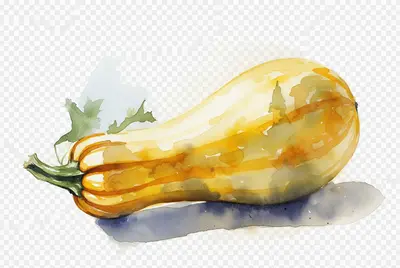
butternut squash is usually the favorite because of its sweet taste
acorn squash is another safe and tasty choice for your Rabbit
spaghetti squash is fun but less nutrient-dense than the others
always remove the seeds and the stringy "guts" before serving
avoid any squash that has been cooked with butter, salt, or spices
Feeding Guide
1-2 small cubes for a medium-sized rabbit
it is a great "winter treat" when some fresh greens are harder to find
don't feed the skin, as it can be a bit too tough and hard to clean
not for daily use—think of it as a special "Sunday dinner" item
Positive Signs
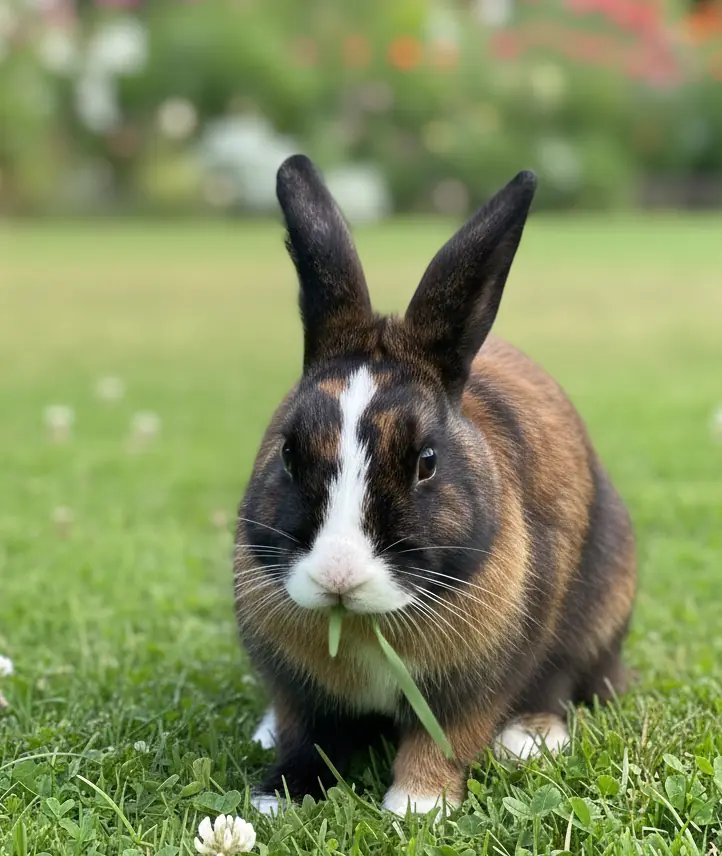
your Rabbit happily gnawing on the firm squash flesh
no changes in behavior or bathroom habits
a Rabbit who maintains a healthy weight despite the extra starch
Negative Signs
soft, messy poops mean the starch or sugar is too much for their gut
if your Rabbit seems "bloated" or has a gurgly tummy, stop the squash
excessive weight gain means you need to stick to hay and greens
Preparation Science
Removing the seeds is essential as they are high in fat and can cause blockages. The flesh contains complex carbohydrates that provide long-lasting energy.
Enrichment Science
The density of winter squash requires a different type of chewing than leafy greens. This works different jaw muscles and provides a unique "mouth workout" for your Rabbit.
Play Ideas
Easy: hand-feed a small cube to your Rabbit while you watch a movie
Medium: poke some hay into a small piece of squash
Hard: hide squash cubes inside a "foraging mat" made of safe fleece
FAQ
Q: Can they eat the skin of butternut squash?
A: It's best to peel it, as the skin is very thick and can be hard for them to digest.
Q: Is squash better raw or cooked?
A: Always raw! Rabbits need the raw fiber, and cooked food is not good for their tummies.
Alternatives
pumpkin is very similar but often a bit higher in fiber
carrot is a crunchier, more common alternative
zucchini is a much lower-calorie "squash" that can be fed more often
Risks & Disclaimer
Squash is a delicious and safe way to mix up your Rabbit's diet. Just remember to keep the portions small and the seeds far away!