Quantity
A few leaves can cause symptoms in a rabbit. The toxin concentration varies by plant species and growing conditions, but any ingestion of nightshade foliage should be taken seriously.
Notes
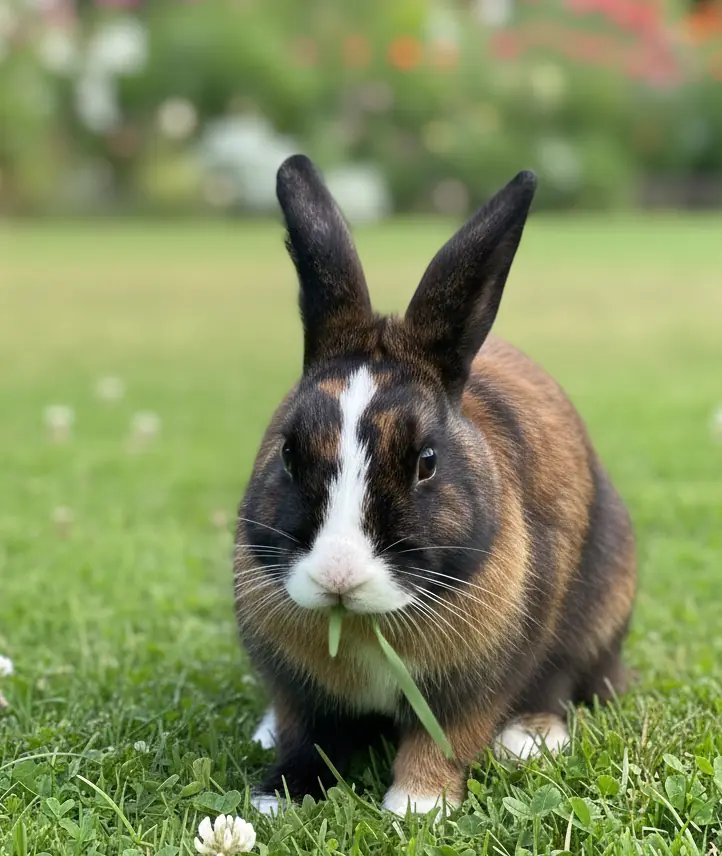
The most common exposure is rabbits with garden access nibbling tomato plants or potato plants. The leaves, stems, and flowers are all toxic — only the ripe tomato fruit is safe. Green (unripe) tomatoes also contain elevated tomatine levels and should be avoided. If your rabbit has garden time, fence off all nightshade-family plants: tomatoes, potatoes, peppers, and eggplant.
Negative Signs
* Drooling and mouth irritation
* Severe diarrhea or sudden absence of droppings
* Loss of appetite
* Weakness, trembling, or uncoordinated movement
* Dilated pupils
* Labored breathing
* Seizures in severe cases
FAQ
Q: Can my rabbit eat the actual tomato fruit, just not the plant?
A: Yes — ripe red tomato flesh (no seeds, no stem, no green parts) is safe as an occasional treat in small amounts. The sugar content means it shouldn't be a daily food, but a small piece now and then is fine. Everything else on the tomato plant is off-limits.
Q: My rabbit runs free in the garden. Which plants should I fence off?
A: All nightshade family plants: tomatoes, potatoes, peppers, eggplant. Also rhubarb, onions, garlic, and any ornamental plants you're not certain are rabbit-safe. When in doubt, fence it off.
Alternatives
A small piece of ripe red tomato (no leaves, stem, or green parts) is actually safe as a rare treat. For leafy foraging, dandelion greens, plantain leaves (the weed, not the banana), and wheatgrass are all rabbit-safe garden options.
Risks & Disclaimer
If your rabbit ate nightshade leaves or stems (tomato plant, potato plant, deadly nightshade, or any other Solanaceae foliage), contact your vet immediately. The toxic dose varies by species and the part of the plant consumed, but any amount warrants a call.