Preparation
Wash thoroughly; feed raw and fresh; rotate with other greens rather than offering daily
Quantity
1–2 small leaves (about 10–15g) up to 2–3 times per week; never a daily staple
Notes
Kale is high in calcium and oxalates, which can contribute to bladder sludge or stones over time if fed too frequently. It's also a cruciferous vegetable, so large amounts can cause gas — and gassy rabbits are no fun for anyone. Use it as a rotating guest star in the salad bowl, not the headliner.
Nutritional Benefits
- Vitamin C: Rabbits produce their own, but a little extra dietary C supports immune function and skin health.
- Vitamin K: Supports healthy blood clotting and bone metabolism — important for active, binky-prone bunnies.
- Vitamin A (beta-carotene): Contributes to eye health, coat condition, and immune response.
- Antioxidants (quercetin, kaempferol): Help protect cells from oxidative stress.
- Fibre: Small amounts add variety to the diet alongside the all-important hay.
Safe Varieties
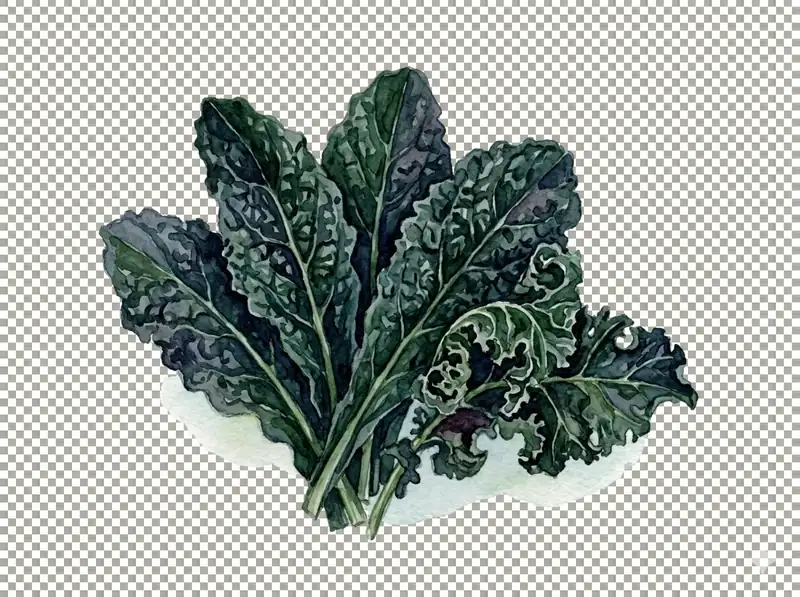
1. Lacinato / Dinosaur kale — lower in oxalates than curly kale; gentler first choice
2. Curly kale — the classic, fine in moderation but slightly higher oxalate load
3. Red kale — similar profile to curly, adds visual variety
4. Baby kale leaves — smaller surface area, slightly milder; suitable for cautious intros
5. Cavolo nero (Tuscan kale) — robust flavour, similar safety profile to lacinato
Feeding Guide
Adult rabbits (2 kg+): 1–2 small to medium leaves (around 10–15g) two to three times per week, always as part of a mixed salad of 4–6 different greens.
Small breeds / dwarf rabbits: 1 small leaf per serving — keep it tiny for these compact digestive systems.
Baby rabbits (under 12 weeks): No kale at all. Gut flora is still developing; stick to hay and tiny amounts of age-appropriate pellets until 12 weeks, then introduce greens very gradually.
Juveniles (12–20 weeks): Introduce one new green at a time, starting with the gentlest options first (romaine, green leaf). Hold kale until 20 weeks.
Positive Signs
- Eats enthusiastically and returns to hay immediately after — a good sign the treat didn't upset the tummy
- Normal, well-formed cecotropes and dry, round droppings
- Active, curious behaviour with no signs of bloating or discomfort
- Healthy coat condition maintained over time
Negative Signs
- Soft or mushy droppings after feeding — back off the kale and increase hay
- Visible bloating or a hunched, uncomfortable posture (potential gas — contact a vet promptly)
- Gritty or white deposits in urine — could signal excess calcium; reduce high-calcium greens including kale
- Refusing food or showing lethargy — always a reason to check in with your vet
Preparation Science
Raw kale retains its full vitamin profile, particularly heat-sensitive vitamin C. Washing in cold water removes surface pesticides and residues without damaging nutrients. Wilted or slimy leaves should be discarded — spoiled greens can disrupt the delicate rabbit gut microbiome.
Enrichment Science
Rabbits are natural foragers who spend the majority of their waking hours seeking, selecting, and processing food. Offering varied leafy greens, including kale in rotation, satisfies this foraging drive and provides olfactory enrichment that pellets simply can't match.
Play Ideas
Easy: Tuck a leaf between hay strands in the hay rack so your bun has to nibble through hay to get to the kale — reinforcing hay intake at the same time.
Medium: Weave kale strips through the bars of an activity tunnel or cardboard roll so your rabbit has to pull and shred to get the reward.
Hard: Create a forage tray by scattering tiny kale pieces and herbs through a deep layer of shredded paper or hay — your bun will spend ages rooting around to find every last scrap.
FAQ
Q: Can I feed kale every day if I keep the amount small?
A: It's better not to. Even small daily doses add up, and the high calcium and oxalate content can contribute to bladder sludge over time. Rotate kale with lower-oxalate greens like romaine, green leaf lettuce, and herbs to keep variety high and risk low.
Q: Is kale safe if my rabbit has had bladder issues before?
A: If your rabbit has a history of bladder sludge, calcium deposits, or urinary problems, kale is best avoided entirely. Stick to lower-calcium greens and consult your vet for a tailored green list.
Alternatives
- Romaine lettuce: Lower in oxalates and calcium than kale, safe daily in larger amounts — a better base green for everyday feeding.
- Endive: Similar crunchy texture to kale, more bitter flavour, lower calcium; a great kale swap for variety.
- Bok choy: Mild, juicy, and nutritious — also a cruciferous vegetable so still rotate, but slightly lower oxalate content than kale.
- Dandelion greens: Mineral-rich and beloved by most rabbits; rotate with kale to balance the calcium load across the week.
Risks & Disclaimer
Kale is safe for healthy adult rabbits in small, infrequent portions as part of a varied greens rotation, but it should never be a daily staple due to its high calcium and oxalate content. Always introduce new foods gradually and consult a rabbit-savvy vet if you notice changes in droppings, urine, or behaviour.