Quantity
Even a few kernels can cause problems because the hulls are completely indigestible and accumulate over time. A larger serving significantly increases impaction risk. There is no safe amount of corn for rabbits.
Notes
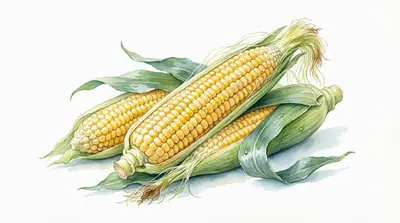
Corn shows up in more rabbit products than it should — corn-based treats, corn cob bedding (which rabbits may chew and eat), and some lower-quality rabbit pellet mixes include corn as filler. Corn on the cob, popcorn (popped and unpopped), and dried decorative corn are all equally dangerous. Corn silk is less problematic but still not recommended.
Negative Signs
* Visible corn hull pieces in droppings (a warning sign, not a good sign)
* Progressively smaller or absent droppings
* Bloated, hard abdomen
* Loss of appetite
* Teeth grinding (pain)
* Hunched posture, refusing to move
* GI stasis — the gut stops moving entirely
FAQ
Q: My rabbit's pellet mix contains corn. Is that a problem?
A: Yes — switch to a plain timothy hay-based pellet without corn, seeds, or colorful pieces. High-quality rabbit pellets should be uniform in appearance with hay as the first ingredient. Mixes containing corn are one of the most common dietary mistakes in rabbit care.
Q: What about corn on the cob as a chew toy? I've seen rabbits chewing on them.
A: The cob is dangerous too — pieces can break off and cause impaction, and any remaining kernels carry the same indigestible hull problem. Use apple wood sticks or willow branches for safe chewing instead.
Alternatives
If your rabbit enjoys something crunchy and satisfying to chew, a small piece of bell pepper, a slice of carrot, or a willow stick provides safe enrichment without the impaction risk.
Risks & Disclaimer
If your rabbit ate corn and stops producing droppings or develops a bloated abdomen, this is a GI emergency. Contact your vet immediately. GI stasis from impaction often requires aggressive treatment including fluid therapy, gut motility drugs, and sometimes surgery.