Preparation
Tear into small pieces. Feed very rarely, if at all.
Quantity
No more than one or two leaves at a time.
Notes
Kale belongs to the cruciferous family, which means it causes serious gas. Never feed it to horses prone to colic.
Nutritional Benefits
* Packed with Vitamin C for immune support.
* High in calcium (unlike spinach, which blocks calcium).
* Extremely high in fiber.
Safe Varieties
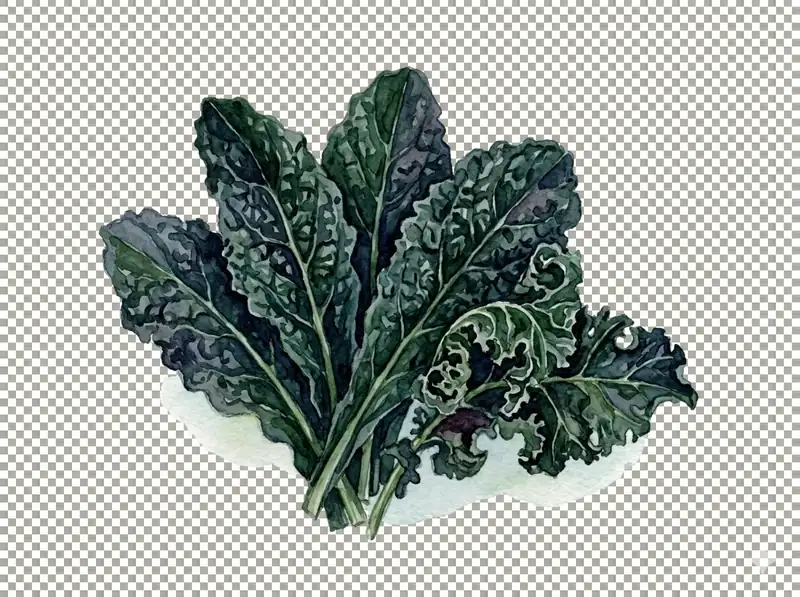
1. Fresh curly kale - Tear the leaves off the tough stem first.
2. Lacinato (dinosaur) kale - Slightly softer, feed in tiny amounts.
3. Baby kale - Tender and slightly safer to digest.
4. Cooked kale - Wilting it makes it easier to chew, but it still causes gas.
5. Large quantities of kale - Avoid entirely, this is a fast track to gas colic.
Feeding Guide
Average adult horse: 1 or 2 small leaves.
Colic-prone horses: Absolutely zero.
Metabolic horses: A single leaf is safe sugar-wise, but watch the gas.
Positive Signs
* Enjoying the bitter crunch.
* Normal manure and gut sounds.
* Happy disposition.
Negative Signs
* Looking at their belly, pawing, or rolling. This means gas colic. Call the vet instantly.
* Refusing to eat it because of the strong, bitter cabbage smell.
Preparation Science
Cruciferous vegetables ferment rapidly in the horse's hindgut, releasing large amounts of gas. Since horses cannot burp, this gas gets trapped, causing immense pain.
Enrichment Science
The bitter flavor profile of kale offers a sharp contrast to sweet feeds, mimicking the variety of tastes horses encounter when foraging wild scrub.
Play Ideas
Easy: Hand-feed a single small leaf as a weird, bitter novelty.
Medium: Tear one leaf into tiny confetti pieces and mix it into a mash.
Hard: Honestly, skip enriching with kale. The gas risk isn't worth the fun.
FAQ
Q: I accidentally dropped a kale salad in the pasture, will they die?
A: If it was a small salad, they will likely just fart a lot. Monitor them closely for colic.
Q: Is it safe for a daily treat?
A: No. Keep cruciferous vegetables out of their daily rotation.
Alternatives
* Romaine lettuce offers a much safer crunch with zero gas risk.
* Carrots give better crunch and flavor safely.
* Celery is a safe, green, crunchy alternative.
Risks & Disclaimer
Kale is technically non-toxic, but the severe gas it causes makes it a risky choice. If your horse has a sensitive stomach, skip the kale and stick to carrots.