Preparation
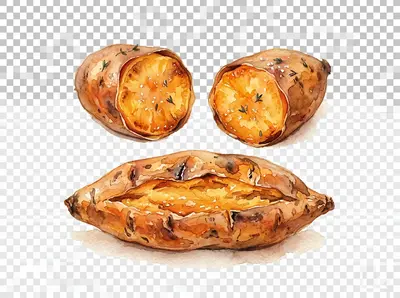
NEVER feed raw sweet potato. It must be cooked (boiled, baked, or steamed) until soft with absolutely no salt, oil, or seasoning. Let it cool completely.
Quantity
A pea-sized cube, no more than once a week.
Notes
Raw sweet potato contains compounds that can be hard on their digestion and is a choking hazard. Cooking breaks down the starches and makes it safe and delicious. It's also much sweeter than regular potato, so treat it like a dessert veggie.
Nutritional Benefits
* An incredible source of Vitamin A (beta-carotene) for sharp vision and healthy skin.
* High in fiber, which aids in smooth digestion.
* Packed with Vitamin C and B vitamins for energy and immunity.
* Contains manganese and potassium for bone health and muscle function.
Safe Varieties
1. Orange Sweet Potato: The most common. Sweet, moist, and packed with beta-carotene.
2. Purple Sweet Potato: Contains anthocyanins (different antioxidants). Just as safe and very colorful!
3. White Sweet Potato: Milder flavor and less sweet. A good option if you're watching sugar intake.
4. Japanese Sweet Potato: Purple skin with white flesh. Nutty and delicious—safe in small amounts.
5. What to Avoid: Any candied yams, sweet potato casserole (with marshmallows!), sweet potato fries (fried and salted), or raw sweet potato chunks.
Feeding Guide
* Syrian Hamster: One small, pea-sized cube of cooked, cooled sweet potato, once a week.
* Dwarf Hamster: A tiny piece, half that size, once a week.
* The Starch Factor: Because it's starchy and sugary, this is a "once in a while" treat, not a regular veggie.
Positive Signs
* Your hamster happily nibbles the soft, sweet cube.
* They enjoy the new texture and flavor.
* Normal digestion and activity levels.
Negative Signs
* Loose stools or diarrhea (too much sugar/starch).
* Weight gain over time if fed too frequently.
* If they get a raw piece by accident, watch for signs of digestive distress (bloating, lethargy, diarrhea).
Preparation Science
Cooking is essential to break down the complex starches and fibrous cell walls, making the nutrients more accessible and the texture safe. Boiling or steaming without the skin preserves the most nutrients.
Enrichment Science
The soft, yielding texture of cooked sweet potato is a unique oral sensation, different from their crunchy foods. The sweet taste triggers a natural reward response, making it a highly satisfying treat.
Play Ideas
Easy: Place the small cube on a flat rock or in their food bowl as a special surprise.
Medium: Mash a tiny bit and spread it inside a clean walnut shell half for them to lick clean.
Hard: Use a tiny bit of mashed sweet potato to stick a single plain oat to the side of a wooden toy for them to nibble off.
FAQ
Q: Can I give my hamster sweet potato skin?
A: It's best to peel it before cooking. The skin can be tough and might have dirt or residue trapped in it. The soft flesh is the safest part.
Q: My hamster loves sweet potato. Is it okay to give it more often than once a week?
A: Because it's so starchy and sugary, it's really best to stick to once a week. You can rotate it with other treats—one week sweet potato, next week a blueberry, next week some cooked pumpkin. That keeps their diet varied and interesting!
Alternatives
* vs. Pumpkin: Very similar nutrition! Pumpkin is usually a bit lower in sugar, so it's slightly better for more frequent feeding. Both are great to rotate.
* vs. Carrot: Carrots can be given raw and are less starchy. Sweet potato is a softer, sweeter alternative for a special treat.
* vs. Regular Potato: Regular white potato must also be cooked, but it has far fewer nutrients. Sweet potato is the superfood version!
* vs. Butternut Squash: Nearly identical in nutrition and preparation. Think of them as interchangeable!
Risks & Disclaimer
The biggest risk is serving it raw, which is a firm no. The second is overfeeding, which can lead to obesity and diabetes due to its sugar and starch content. A tiny, pea-sized portion of plain, cooked sweet potato once a week is a safe and delicious way to share the superfood love.