Preparation
Seeds must be raw and unsalted. You can offer them in the shell or as kernels (hearts). If in the shell, make sure it's not too hard.
Quantity
For Syrians, 2-3 seeds per week. For dwarfs, 1-2 seeds per week. That's it.
Notes
Sunflower seeds are extremely high in fat. While hamsters need some fat, too many can lead to obesity, diabetes, and selective feeding (where they only eat the seeds and ignore their healthy pellets). They should be a rare treat, not a dietary staple.
Nutritional Benefits
* Rich in healthy fats (omega-6) for energy and a shiny coat.
* Good source of Vitamin E, a powerful antioxidant.
* Contains B vitamins and minerals like magnesium and selenium.
* Provides protein for muscle health.
Safe Varieties
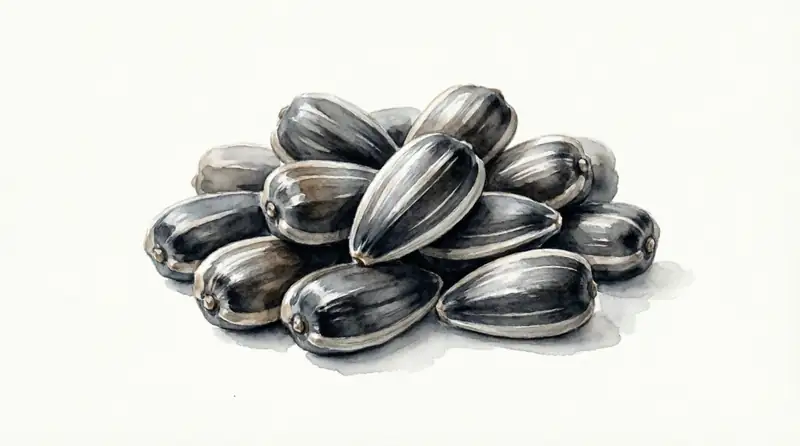
1. Raw, In-Shell Sunflower Seeds (Striped): The classic. Hamsters love the challenge of shelling them themselves.
2. Raw Sunflower Kernels (Hearts): The seed meat only. Easier to eat, but also easier to overfeed. Great for seniors.
3. Black Oil Sunflower Seeds: Smaller and higher in oil/fat. Even more of a "high-calorie" treat. Use sparingly.
4. Organic Sunflower Seeds: A great choice to avoid pesticides.
5. What to Avoid: Roasted and salted seeds are a hard no. Also avoid any seeds sold in bulk bins that might be stale or contaminated. Flavored seeds are also off-limits.
Feeding Guide
* Syrian Hamster: 2-3 whole seeds (in-shell) OR 2-3 kernels, 2-3 times per week MAX.
* Dwarf Hamster: 1-2 small seeds OR 1-2 kernels, twice a week MAX.
* The Treat Rule: These should make up no more than 5% of their total diet. If your hamster is leaving their pellets for seeds, you're feeding too many seeds!
Positive Signs
* Your hamster excitedly grabs the seed and holds it in their paws.
* They skillfully shell the seed, revealing the tasty kernel inside.
* A healthy, glossy coat (from the right amount of healthy fats).
Negative Signs
* Weight gain and obesity—a chubby hamster is often a seed-overloaded hamster.
* Selective feeding—they ignore pellets and wait for seeds.
* Diarrhea if they eat too many at once (the high fat content can upset their stomach).
* Lethargy and decreased activity.
Preparation Science
If your hamster is older or has dental issues, offering shelled kernels (hearts) is kinder and safer. For younger, healthy hamsters, the in-shell version provides superior enrichment.
Enrichment Science
Shelling a sunflower seed is a complex motor task that engages their brain, teeth, and paws. This process mimics the work required to extract food from husks in the wild, providing immense mental satisfaction and dental exercise.
Play Ideas
Easy: Hand-feed a single seed to your hamster, letting them take it gently from your fingers.
Medium: Hide a few seeds around their cage in different spots for them to find.
Hard: Push a couple of seeds into a small cardboard tube stuffed with hay. They have to dig through the hay to get the prize.
FAQ
Q: My hamster only wants sunflower seeds and won't eat anything else. Help!
A: You've got a selective feeder on your hands! The only solution is to drastically cut back on seeds. Offer just one seed every few days and make sure their pellet bowl is full. They'll eat the pellets when they're hungry enough. It's tough love!
Q: Can I grow sunflower seeds for my hamster?
A: Absolutely! Homegrown, dried sunflower seeds are a fantastic, natural treat. Just make sure they are fully dried and haven't been treated with any chemicals.
Alternatives
* vs. Pumpkin Seeds: Pumpkin seeds are less fatty and have different nutrients (zinc). A slightly healthier seed option overall.
* vs. Peanuts (unsalted): Peanuts are also high in fat and can sometimes harbor mold. Sunflower seeds are generally safer and more appropriate.
* vs. Millet Spray: Millet is a grain, low in fat. A much better option for a daily forage treat. Sunflower seeds are the "once a week" special.
* vs. Safflower Seeds: These are a great lower-fat alternative to sunflower seeds. If your hamster is prone to weight gain, try swapping sunflower for safflower.
Risks & Disclaimer
Sunflower seeds are not dangerous, but they are the most common cause of diet-related health problems in hamsters due to their high fat content and popularity. They are the ultimate "sometimes food." Treat them as the precious, rare gems they should be, and your hamster will stay healthier and happier.