Preparation
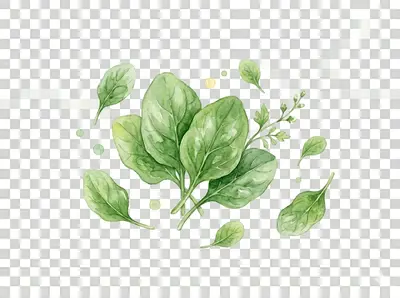
Wash every single leaf to remove any trace of dirt or pesticides. Offer it raw and chop it into tiny, nibble-sized pieces.
Quantity
One small leaf, or a teaspoon of chopped leaves, once a week is plenty.
Notes
Spinach is a nutrient powerhouse, but it also has a compound called oxalic acid. In large amounts, this can mess with calcium absorption. That's why it's a "sometimes" food, not a daily salad.
Nutritional Benefits
* Bursting with vitamins A, C, and K to help keep their immune system strong and their bones healthy.
* A good source of iron, which is great for their blood and energy levels.
* Full of fiber to help keep their tiny digestive tract moving smoothly.
* Packed with antioxidants that help fight off cell damage and keep your hamster youthful.
Safe Varieties
1. Baby Spinach: Tender, sweet, and easy for them to chew. The best choice for your little one.
2. Flat-leaf Spinach: Also known as smooth-leaf. It's a bit tougher but still fine once chopped up.
3. Savoy Spinach: The one with crinkly, curly leaves. It's safe but can trap dirt, so you need to wash it extra, extra carefully.
4. What to Avoid: Never feed spinach that's been cooked with salt, garlic, or butter. Plain, raw, and washed is the only way to go. Also, avoid any slimy or wilted leaves from the back of your fridge.
Feeding Guide
* Syrian Hamster: One small, full leaf or about one teaspoon of chopped leaves, once a week.
* Dwarf Hamster: Half a small leaf or half a teaspoon of chopped leaves, once a week.
* The Golden Rule: Because of the oxalic acid, rotate spinach with other greens like kale or romaine. Don't serve it two weeks in a row.
Positive Signs
* A healthy interest in the new green, nibbling it with curiosity.
* Normal energy levels and regular, firm droppings.
* They enjoy the new texture and taste, adding variety to their diet.
Negative Signs
* Diarrhea or loose stools. If this happens, remove the spinach and stick to their regular food for a few days.
* They completely ignore it and it just wilts in the bowl. That's fine, just toss it.
* In very rare cases of overfeeding, signs of calcium deficiency (lethargy, muscle weakness) could appear long-term. This is why we stick to "once a week"!
Preparation Science
Chopping spinach releases some of its cell structure, making the nutrients slightly more accessible and reducing the risk of them using a large leaf as bedding instead of food. Washing is crucial to remove any surface residues their small bodies can't handle.
Enrichment Science
The different texture and taste of a leafy green like spinach encourages natural foraging behavior, stimulating their brain as they investigate, pick it up, and decide where to nibble first.
Play Ideas
Easy: Tuck a small piece of spinach under a pile of paper bedding for them to "forage" and discover.
Medium: Lightly dampen the leaf and stick it to the inside of a clean, empty cardboard tube. They'll have to work to pull it off.
Hard: Make a "salad spinner" by putting a few chopped greens in a small, clean, empty treat ball so they have to roll it around to get the pieces to fall out.
FAQ
Q: Can I give my hamster cooked spinach?
A: It's better to give it raw. Cooking changes the texture and can concentrate the oxalates. Raw, fresh spinach is the safest and most natural option.
Q: My hamster's poop looks a little different after spinach. Is that normal?
A: A slight change is possible due to the new fiber. But if it becomes soft, wet, or if your hamster seems lethargic, remove the spinach and consult your vet if it doesn't clear up.
Alternatives
* vs. Kale: Both are superfoods, but kale is generally lower in oxalates, making it a slightly safer choice for more frequent feeding.
* vs. Romaine Lettuce: Romaine is much higher in water and less nutrient-dense. Spinach is a better vitamin boost, but romaine is fine for hydration.
* vs. Dandelion Greens: Both are excellent, nutrient-packed greens. Dandelion greens are a natural diuretic, which is great, while spinach is more of an all-around vitamin supplement.
* vs. Parsley: Both are herbs/greens. Parsley is also high in nutrients but should be fed in even smaller amounts. Rotate them for variety!
Risks & Disclaimer
Spinach is a healthy treat, but it's not for everyday munching due to its oxalic acid content. Feeding a small amount once a week is the sweet spot—it gives them all the benefits without any of the risks. A varied diet is a healthy diet!