Preparation
If using frozen, thaw them completely and bring to room temp. If fresh, just wash. You can serve them raw or lightly steamed (and cooled). Always serve plain.
Quantity
One pea is a serving. One pea per hamster, 1-2 times a week.
Notes
Peas are a legume, which means they have more protein than most veggies. This is great, but it also means they're a bit richer. Dwarf hamsters, who are prone to diabetes, should stick to just one pea, once a week.
Nutritional Benefits
* A great source of plant-based protein, which is essential for an omnivore like your hamster.
* High in fiber to promote healthy digestion and prevent constipation.
* Contains vitamins A, K, and B vitamins for energy and overall health.
* Packed with antioxidants that help keep their cells healthy.
Safe Varieties
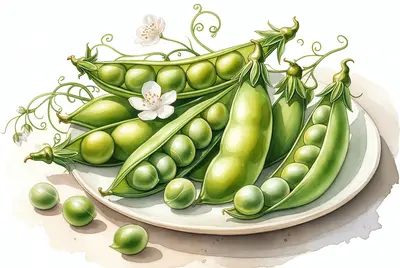
1. Fresh Garden Peas: Sweet and raw—a wonderful, natural treat. Just pop one out of the pod and serve.
2. Frozen Peas (thawed): Super convenient. Just make sure they're fully thawed to room temp; a cold pea could hurt their tummy.
3. Snow Peas: These are flat and edible-podded. You can give a tiny, pea-sized piece of the pod, including the tiny internal peas.
4. Sugar Snap Peas: A cross between garden and snow peas. They're sweet and crunchy. Give a tiny slice of the whole pea (pod and all).
5. What to Avoid: Never give canned peas—they're loaded with salt and preservatives. Also avoid any peas cooked with sauces, onions, or garlic. Dried peas are safe but very hard; if feeding dried, crush them first.
Feeding Guide
* Syrian Hamster: One whole garden pea, 1-2 times a week.
* Dwarf Hamster: Half a pea, or one very small pea, just once a week.
* First Time: Offer just half the normal portion to make sure it doesn't cause gas or loose stool.
Positive Signs
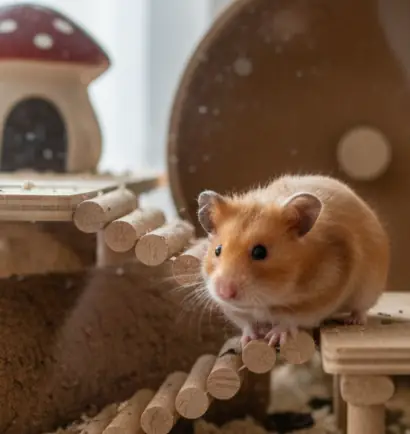
* Your hamster will likely grab the pea and hold it in their little hands like a treasured snack.
* They'll nibble it happily, enjoying the sweet taste.
* Normal, firm poops.
Negative Signs
* Bloating or gas. Peas are legumes and can cause gas in some sensitive hamsters. If they seem puffy, skip peas next time.
* Diarrhea from too much fiber or sugar.
* They try to stuff the whole pea in their cheek at once (they will!). Just make sure it's small enough they can manage it.
Preparation Science
Thawing frozen peas is crucial because the extreme cold can shock their system and cause digestive upset. Serving at room temperature makes the pea soft enough to chew easily but firm enough to hold.
Enrichment Science
A single pea is the perfect "pouch-filling" size. The act of picking it up, transferring it to their cheek pouch, and then later retrieving it to eat mimics natural food-hoarding behaviors, providing a sense of security and satisfaction.
Play Ideas
Easy: Place a single pea on a flat rock or platform. Let them discover it on their own.
Medium: Hide a pea inside a crumpled piece of plain, unscented tissue paper.
Hard: Freeze a pea inside a tiny ice cube with a basil leaf. Offer on a hot day for a challenging, cooling treat.
FAQ
Q: Can I give my hamster pea flakes from a human snack mix?
A: Definitely not. Human snack mixes often have added salt, oils, and flavorings that are bad for hamsters. Stick to plain, simple peas.
Q: My hamster loves peas. Can I give them two?
A: For a Syrian hamster, two peas once a week is usually okay if they tolerate them well. For a dwarf, stick to one. Watch for signs of gas or loose stool to know your individual hamster's limit.
Alternatives
* vs. Corn: Both are sweet and starchy. Peas have more protein and fiber, making them a bit healthier. Corn is higher in sugar.
* vs. Edamame: Edamame (soybeans) are also a legume, but they're higher in fat. Peas are a leaner, safer protein choice.
* vs. Green Beans: Both are legumes. Green beans are less sweet and have less protein, making them a good lower-sugar alternative.
* vs. Chickpeas: Too big and starchy. A tiny piece of cooked chickpea is safe, but peas are easier to portion and have less starch.
Risks & Disclaimer
Peas are a healthy treat, but their sugar and protein content means they're not an everyday veggie. Overfeeding can lead to obesity or digestive issues, especially in dwarf breeds. One little pea is the perfect portion—anything more is just showing off!