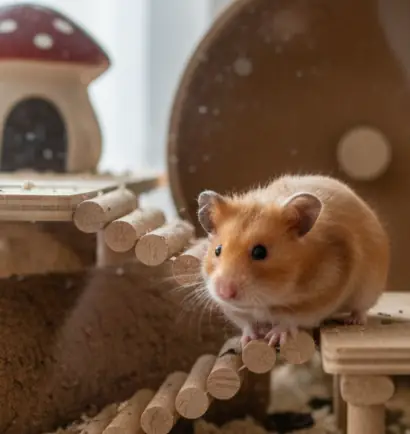
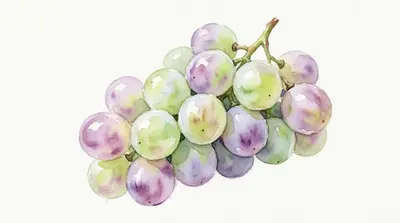
Quantity
Even a small piece of grape can be dangerous. There is no established safe amount for hamsters, and their kidney vulnerability makes any exposure risky. Do not attempt to determine a threshold — treat every grape as dangerous.
Notes
A whole grape is physically oversized for a hamster, but they will gnaw pieces off and pouch them. Children sharing snacks with hamsters is a common exposure scenario. Grape juice, fruit salads, and trail mix containing grapes also count.
Negative Signs
* Loss of appetite and refusal to eat
* Lethargy — no interest in the wheel or exploring
* Decreased or absent urination
* Diarrhea
* Abdominal pain — hunched posture
* Rapid deterioration over 24-48 hours
FAQ
Q: My hamster grabbed a grape off my plate and ate part of it before I could take it away. What should I do?
A: Call your exotic vet and describe how much your hamster ate. Monitor for decreased urination, lethargy, and loss of appetite over the next 48 hours. Kidney damage from grapes can be delayed, so do not assume everything is fine just because your hamster seems normal immediately after.
Alternatives
A single blueberry, cut in half, gives your hamster a similar sweet fruit experience at a hamster-appropriate size and without the kidney risk. Blueberries also contain antioxidants that are actually beneficial.
Risks & Disclaimer
If your hamster ate any grape, contact your exotic vet immediately. Do not wait for symptoms. Kidney damage is silent until it becomes severe, and hamsters deteriorate rapidly once kidney function drops.