Preparation
Wash the skin well. Cut a small slice, but THE SEEDS AND CORE MUST GO. Apple seeds contain a compound that can turn into cyanide in the tummy.
Quantity
One small, thin slice (about half a teaspoon), no more than once a week.
Notes
The flesh is fantastic, but the seeds are a dealbreaker. Always, always remove them. Also, the high sugar content means this is a "sometimes" treat, not a daily snack. Dwarf hamsters should get even less.
Nutritional Benefits
* High in fiber, which is great for digestion and keeping things regular.
* Packed with Vitamin C to give their immune system a little boost.
* The crunchiness helps with dental health by naturally wearing down their teeth.
* Full of antioxidants that help keep their body in tip-top shape.
Safe Varieties
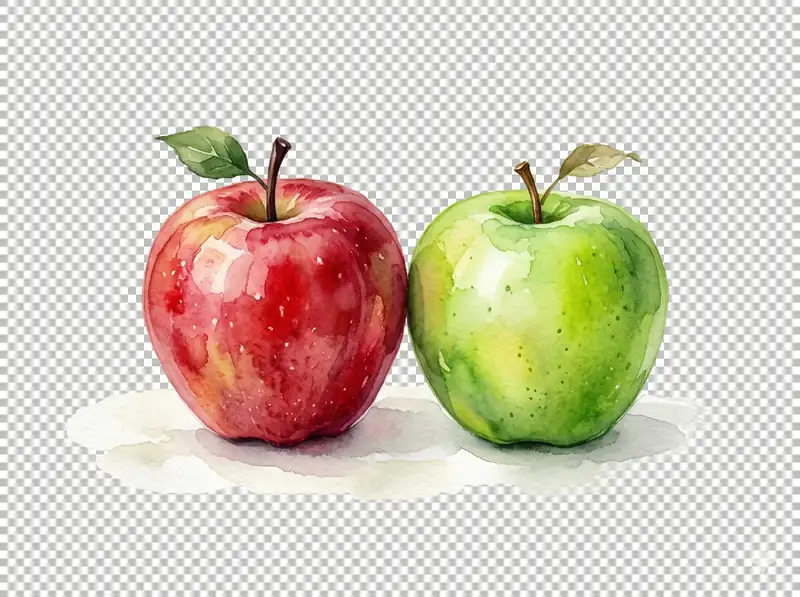
1. Red Apples (Gala, Fuji, Red Delicious): Sweet and mild. A very popular choice with hamsters.
2. Green Apples (Granny Smith): Tart and slightly less sugary. A great option if you're watching their sugar intake.
3. Yellow Apples (Golden Delicious): Soft and sweet. Easy to chew for older hamsters.
4. Organic Apples: If you can, these are great as the peel is safe to eat without worrying about pesticides.
5. What to Avoid: Any part of the core, stem, or seeds. Also, avoid applesauce (too much sugar and often has preservatives) and dried apple chips (sugar is too concentrated).
Feeding Guide
* Syrian Hamster: One cube, about 1cm x 1cm, no more than once a week.
* Dwarf Hamster: A very small piece, half that size, once a week or even once every two weeks.
* The Sugar Rule: Because of the natural sugars, treat apple like you would a tiny piece of cake. It's a dessert!
Positive Signs
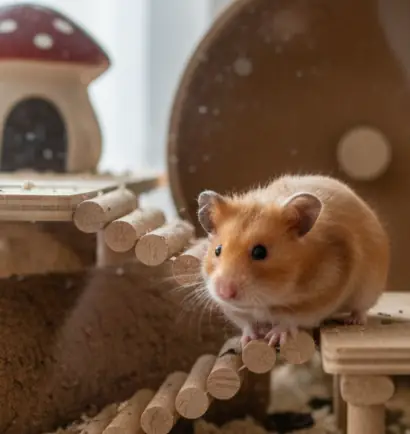
* Your hamster happily nibbles the apple slice, holding it in their hands.
* They show excitement when they see the treat coming.
* Normal, healthy digestion.
Negative Signs
* Diarrhea or loose stool, a clear sign of too much sugar or water.
* Weight gain over time if fed too frequently.
* Lethargy or disinterest in their regular food (they filled up on the good stuff!).
* If they stash a piece and it rots—always check for and remove old food.
Preparation Science
Removing the peel (especially on non-organic apples) can eliminate pesticide residue. Cutting the apple into a cube rather than a slice makes it easier for them to grasp with their paws and reduces the surface area for rapid spoilage.
Enrichment Science
The novel scent and sweet taste of apple stimulate the olfactory senses and reward centers in a hamster's brain. The effort required to gnaw through the firm flesh provides mental and physical engagement.
Play Ideas
Easy: Skewer a small apple cube on a clean, untreated wooden stick and poke it through the cage bars.
Medium: Hide a tiny piece of apple inside a homemade "foraging toy" made from a toilet paper roll with the ends folded in.
Hard: Freeze a very small apple piece inside a block of hay and water to create a challenging, edible puzzle.
FAQ
Q: I dropped an apple seed while cutting. What if my hamster ate it?
A: Don't panic! One seed is unlikely to cause harm because the toxic compound is released only if the seed is chewed and crushed. But it's a big warning sign—double-check that all seeds are removed next time and monitor your hamster closely for any unusual behavior.
Q: Can I give my hamster the apple peel?
A: Yes, if the apple is washed really well! The peel has lots of fiber. If it's not organic, you might want to peel it to avoid pesticides, just to be extra safe.
Alternatives
* vs. Pear: Very similar in sugar and texture. Pears are a bit softer and have a different nutrient profile. A great swap for variety.
* vs. Banana: Banana is much softer, mushier, and higher in sugar. Apple is a better choice for dental crunch and has less sugar.
* vs. Carrot: Carrot is a root veggie with less sugar than apple. If you want a daily crunch, carrot is a better choice. Apple is a "special occasion" crunch.
* vs. Strawberry: Both are sweet fruits. Strawberry is more acidic. If your hamster has a sensitive tummy, apple might be the gentler option.
Risks & Disclaimer
The only real danger with apple is the seeds, so be meticulous about removing them. Otherwise, the main risk is simply too much of a good thing. Overfeeding sugary fruit can lead to obesity and diabetes. A tiny slice once a week is the perfect way to let them enjoy this classic treat safely.