Preparation
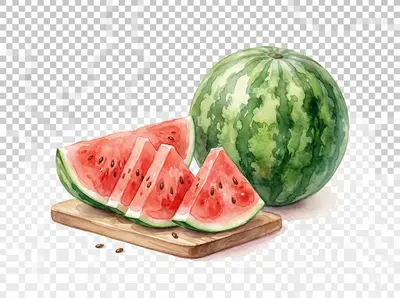
Remove all seeds (choking hazard), cut into small chunks or thin slices, include some rind (the white part) which is actually the healthiest part, remove the tough outer green skin, serve slightly chilled or room temperature
Quantity
One 1-inch chunk of flesh with a bit of rind, once or twice weekly in hot weather, less in winter — this is seasonal treat territory
Notes
Extremely high water content means risk of diarrhea if overfed. Perfect for hydration during heat waves but not a daily food. The rind is lower sugar and higher fiber than the pink flesh, so don't throw it away!
Nutritional Benefits
Hydration champion — 92% water prevents heat stroke and urinary issues
Vitamin A and C for immune health
Lycopene gives the pink color and supports heart health
The rind provides fiber without the sugar hit
Potassium helps with muscle function and hydration balance
Safe Varieties
Seedless watermelon — easier prep, though still check for white seeds
Mini watermelons — perfect size for Guinea pig portions without waste
Yellow watermelon — slightly different nutrients, same hydration
Regular watermelon with seeds removed — classic choice
Avoid: Watermelon with black seeds (choking risk), the tough outer green rind (too hard to digest), fermented or overripe watermelon (alcohol content), watermelon juice (too concentrated sugar)
Feeding Guide
Baby Guinea pigs under 4 months: Skip watermelon — too much water for tiny tummies
Adult pigs 1-2 pounds: 1-inch cube of flesh plus a small piece of rind, once weekly in summer, rarely in winter
Senior pigs: Same as adults, great for hydration but watch for diarrhea
Hot weather only: Can increase to twice weekly during heat waves, but monitor poops closely
Positive Signs
Excited slurping and juice-covered whiskers
Increased water intake from the fruit (good in heat)
Normal activity and cooling behavior in warm weather
Firm poops despite high water content (if portion is right)
Negative Signs
Watery diarrhea within hours — too much watermelon, cut back immediately
Refusing regular water — watermelon shouldn't replace drinking water
Bloating or discomfort — rare but possible, offer hay to balance
Lethargy after eating — could be sugar crash or chilling from cold melon
Preparation Science
The white rind contains citrulline and fiber without the sugar concentration of pink flesh, making it the ideal Guinea pig portion. Cold watermelon can lower body temperature too quickly, so room temp or slightly cool is best.
Enrichment Science
The high water content and sweet taste trigger intense pleasure responses, while the need to navigate juicy texture provides sensory variety that breaks up dry food routines.
Play Ideas
Easy: Hand-feed chilled chunks during lap time on hot days
Medium: Create a "watermelon bowl" by hollowing a small piece of rind and filling with hay
Hard: Freeze small cubes for a slushy treat that cools and entertains — supervise for brain freeze
FAQ
Q: Can my Guinea pig eat watermelon rind?
A: Yes! The white rind is actually better for them than the pink flesh — less sugar, more fiber, and good crunch. Just peel off the tough green outer skin first. Don't waste that rind!
Q: Why does my Guinea pig get diarrhea after watermelon?
A: It's 92% water — overfeed even slightly and you'll see it in the poop. Cut the portion in half and make sure they're eating plenty of hay to balance the water content. If diarrhea persists more than 12 hours, call your vet.
ALTERNATIVES_COMPARITIES:
Cantaloupe has more nutrition and less water — better balance for cooler weather
Cucumber is similar hydration but less sugar — can feed more frequently
Honeydew is similar to watermelon — rotate for variety
Bell pepper gives you crunch without the water risk — better daily choice
Risks & Disclaimer
Watermelon is safe but extremely water-dense — overfeeding causes immediate diarrhea and can lead to dehydration if severe. Never feed seeds (choking hazard). This is a seasonal treat, not a dietary staple. Perfect for hot days, unnecessary in winter.