Preparation
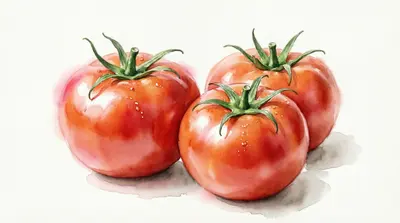
Wash thoroughly, remove all stems and leaves (toxic!), slice into wedges or chunks, remove seeds if your piggy is tiny or prone to choking, never feed green or unripe tomatoes
Quantity
One small cherry tomato or a 1-inch wedge of larger tomato, once or twice weekly — this is an occasional treat, not a staple
Notes
The acidity can bother some sensitive tummies, and the nightshade family connection makes some owners nervous. Ripe red flesh is safe, but green parts are dangerous. High sugar content means keep it occasional.
Nutritional Benefits
Lycopene antioxidant supports heart health and may help with inflammation
Vitamin C boost, though less than bell peppers
Potassium and vitamin K for overall wellness
High water content helps with hydration
Natural sugars make it a high-value training treat
Safe Varieties
Ripe cherry tomatoes — perfect size, sweet, easy to portion control
Ripe grape tomatoes — slightly firmer texture, less messy
Ripe Roma tomatoes — meatier, less acidic, good for sensitive tummies
Ripe beefsteak tomatoes — slice into small wedges, very juicy
Avoid: Green tomatoes (toxic solanine), tomato leaves and stems (poisonous), canned tomatoes (added salt and acid), cooked tomatoes (wrong texture, lost nutrients), any tomato with mold or soft spots
Feeding Guide
Baby Guinea pigs under 6 months: Skip tomatoes entirely — too acidic for developing digestive systems
Adult pigs 1-2 pounds: One cherry tomato or 1-inch wedge, weekly treat
Senior pigs: Same as adults but watch for mouth sensitivity to acidity
Pigs with urinary issues: Limit to monthly — acidity can irritate sensitive urinary tracts
Positive Signs
Excited wheeking and immediate interest in the red color
Happy munching without hesitation
Normal behavior and digestion within 24 hours
Eager to take from your hand — great for bonding
Negative Signs
Mouth irritation or excessive drooling — acidity might be too much, rinse mouth with water and skip tomatoes
Diarrhea within 12 hours — cut out immediately and offer hay only
Refusing to eat or hiding after tasting — trust their instincts, some pigs know tomatoes don't agree with them
Reddish urine — normal pigment from tomatoes, but if it lasts more than a day, call your vet to rule out blood
Preparation Science
Removing seeds reduces acidity and choking risk for small pigs. The gel around seeds contains most of the acid, so scooping them out makes tomatoes gentler on tummies while keeping the sweet flesh.
Enrichment Science
The bright red color triggers strong visual interest, and the juicy texture provides sensory variety that breaks up the routine of dry hay and crunchy veggies.
Play Ideas
Easy: Hand-feed a cherry tomato half during lap time for a special moment
Medium: Hide a small tomato wedge in a paper tube for a rolling treat dispenser
Hard: Freeze tomato chunks for a slushy summer treat — messy but fun on a hot day
FAQ
Q: I heard tomatoes are poisonous to Guinea pigs — is that true?
A: The green parts — stems, leaves, and unripe green tomatoes — contain solanine which is toxic. Ripe red tomato flesh is safe in moderation. Think of it like rhubarb — the stalk is fine, the leaves are dangerous.
Q: Why does my Guinea pig love tomatoes but get soft poop after?
A: Acidity and sugar can upset the gut balance. Try smaller portions, remove seeds, or switch to less acidic Roma tomatoes. If soft stools happen every time, your piggy's tummy is saying "thanks but no thanks."
ALTERNATIVES_COMPARITIES:
Bell pepper gives you vitamin C without the acidity or sugar concerns — better daily choice
Cucumber has the juiciness without the acid — good for hydration without the tummy risk
Carrots are similarly sweet but less acidic — swap if tomatoes cause mouth irritation
Strawberries offer similar treat-level sweetness with vitamin C — rotate between these for variety
Risks & Disclaimer
Tomatoes are safe when ripe and fed properly, but the nightshade family connection means zero tolerance for green parts. The acidity and sugar mean this is a "sometimes food" — weekly at most. If your Guinea pig has a history of digestive sensitivity or urinary issues, there are safer treats available.