Preparation
Rinse thoroughly under cold water. Remove any wilted or slimy outer leaves. Tear into manageable pieces — no need to chop it fine. Skip the dressing. Obviously.
Quantity
A few large leaves daily is perfect. Romaine is gentle enough to be a daily staple, unlike some stronger greens that need rotation. Pair it with other veggies to round out the diet — and always make sure vitamin C is covered elsewhere too.
Notes
Guinea pigs cannot produce their own vitamin C — they need it from food every single day, or scurvy becomes a very real (and very sad) problem. Romaine has some vitamin C, but not enough to be the sole source. Think of it as a great daily base, not the whole answer.
Nutritional Benefits
- Vitamin C: romaine has a decent amount — helpful, but your guinea pig still needs other high-C foods like bell pepper to hit daily requirements
- Vitamin A: supports eye health, skin condition, and immune function — romaine is a solid source
- Water content: roughly 95% water, which keeps your guinea pig well-hydrated between water bottle visits
- Vitamin K: supports healthy blood clotting — not glamorous, but very important
- Folate: supports cell growth and overall metabolic health
Safe Varieties
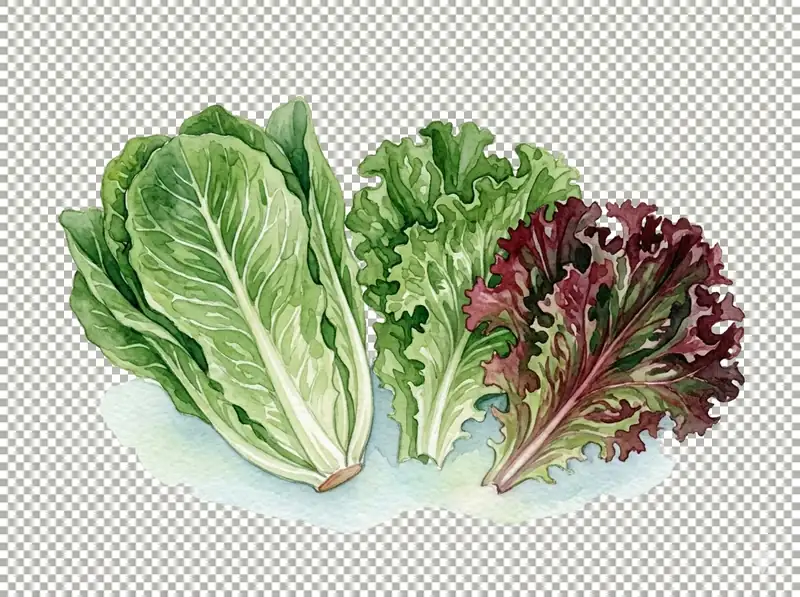
1. Romaine (cos lettuce) — the gold standard; crisp, mild, and ideal for daily feeding
2. Little gem lettuce — a smaller, slightly sweeter cousin; also a great choice
3. Green leaf lettuce — mild and safe, though not quite as nutrient-dense as romaine
4. Red leaf lettuce — safe and adds a splash of color to the bowl; perfectly fine daily
5. Butterhead / Boston lettuce — softer texture, lower nutrients; fine occasionally but romaine is better
Feeding Guide
2–3 large romaine leaves per day is a great starting point for an adult guinea pig.
Romaine can be offered daily — it's one of the few greens that doesn't need to be rotated out.
Always serve alongside a variety of other vegetables: bell pepper for vitamin C, fresh herbs, cucumber, or whatever your piggy currently loves.
Fresh is best. If it's been sitting in the fridge for a week and looks sad, your guinea pig deserves better.
Positive Signs
- Rushing to the bowl the moment they hear the crinkle of a bag (peak piggy behavior)
- Steady, enthusiastic munching — guinea pigs rarely dawdle on romaine
- Bright eyes, glossy coat, and normal active behavior after meals
- Consistent soft droppings — a good sign digestion is humming along nicely
Negative Signs
- Soft or unusually frequent droppings — could mean too much watery veg at once; pull back slightly
- Ignoring the lettuce entirely — unusual for romaine, but might indicate illness or that something else is off
- Bloating or a noticeably rounded belly — rare with romaine, but worth monitoring if introducing large amounts quickly
- Lethargy or reduced appetite — not caused by romaine itself, but always a signal to check in with a vet
Preparation Science
Rinsing removes pesticide residue and surface bacteria, which matters especially for store-bought lettuce. Serving it slightly damp (not dripping) adds a little extra hydration — a bonus for piggies who are light drinkers.
Enrichment Science
Guinea pigs are natural foragers who spend hours in the wild searching for food — giving them the chance to "find" their romaine engages that instinct and keeps them mentally stimulated. The crunchy texture also supports natural wear on their continuously growing teeth.
Play Ideas
Easy: Tuck a romaine leaf between the bars of the cage so your guinea pig has to tug and pull it free — instant foraging game.
Medium: Hide smaller pieces of romaine under a layer of hay in a cardboard box and let your guinea pig nose through to find them.
Hard: Weave romaine leaves through a hanging treat ball or forage rack alongside herbs and other vegetables for a full foraging session.
FAQ
Q: Can I give romaine lettuce every day?
A: Yes — romaine is one of the best daily greens you can offer. It's mild, hydrating, and well-tolerated. Just make sure it's part of a varied diet and not the only vegetable your guinea pig gets.
Q: Does romaine give guinea pigs enough vitamin C?
A: It helps, but no — romaine alone won't meet your guinea pig's daily vitamin C needs. Red bell pepper is the MVP for C content and should be on the menu most days alongside romaine.
Alternatives
- Red bell pepper: far higher in vitamin C — essential as a daily companion to romaine, not a replacement for it
- Kale: more nutrient-dense but higher in oxalates and calcium; better as an occasional treat than a daily staple
- Cucumber: even more hydrating but very low in nutrients — good for hot days, not as a romaine swap
- Spinach: vitamin-rich but high in oxalic acid; fine in small amounts occasionally, but romaine is a much safer everyday choice
Risks & Disclaimer
Romaine lettuce is one of the safest, most guinea-pig-friendly foods you can offer and carries minimal risk when fed as part of a balanced diet. The only real caution is relying on it too heavily as a vitamin C source — always pair it with higher-C foods like bell pepper to keep scurvy firmly off the table.