Preparation
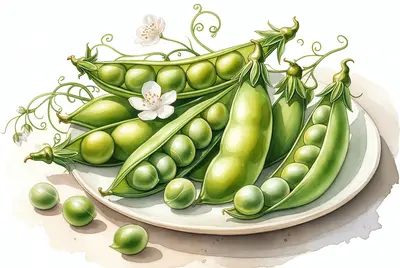
Feed raw and fresh, shell garden peas (the pod is too tough), snap peas and snow peas can be fed whole if young and tender, remove any strings from snap peas, never feed dried peas or split peas
Quantity
One to two teaspoons of fresh peas, once or twice weekly — high sugar and starch means this is a treat, not a staple
Notes
Fresh peas are very different from dried peas. Fresh = occasional treat, dried = choking hazard and digestive nightmare. The sugar content is real, so think of these as dessert. Snap peas are lower sugar than garden peas.
Nutritional Benefits
Protein boost rare in vegetables — helps maintain muscle
Vitamin A and K for eye health and blood function
Fiber content is decent when pods are included
B vitamins support energy metabolism
The "work" of eating peas provides mental stimulation
Safe Varieties
Fresh garden peas — shelled, sweet, the classic treat
Sugar snap peas — edible pods, crunchier, less sweet than garden peas
Snow peas — flat pods, very crunchy, lower sugar
Fresh frozen peas thawed — okay in a pinch but fresh is better
Avoid: Dried peas or split peas (expand in gut, dangerous), canned peas (added salt and sugar), cooked peas (wrong texture, lost nutrients), pea pods from mature garden peas (too fibrous and tough)
Feeding Guide
Baby Guinea pigs under 4 months: Skip peas — too starchy for developing digestive systems
Adult pigs 1-2 pounds: 4-5 individual peas or one small snap pea pod, twice weekly max
Senior pigs: Once weekly, the starch can be harder to process with age
Overweight pigs: Skip entirely or use one pea as a high-value training treat only
Positive Signs
Excited chasing and "hunting" behavior as peas roll
Happy munching and immediate interest
Normal digestion — peas can be starchy but should process fine in small amounts
Active, playful behavior after eating
Negative Signs
Diarrhea or very soft stools within 12 hours — too much starch, cut back to hay only
Weight gain over two weeks — peas are sneaky calorie-dense, reduce or eliminate
Choking on whole peas — if your piggy tends to gulp, split peas in half
Refusing other foods — don't let them hold out for pea treats
Preparation Science
Raw peas maintain the resistant starch structure that digests slowly, preventing blood sugar spikes. Cooking turns starch into sugar and creates a texture that can stick to teeth and cause dental issues.
Enrichment Science
The round shape triggers chasing and pouncing behaviors similar to natural foraging for seeds and small plants, providing both physical exercise and mental engagement during feeding.
Play Ideas
Easy: Roll peas across the floor for a chase-and-catch game
Medium: Hide peas in a paper towel roll stuffed with hay for a foraging challenge
Hard: Create a "pea pit" by burying peas in a shallow container of timothy hay for serious excavation work
FAQ
Q: Can I feed my Guinea pig frozen peas?
A: Fresh or fresh-frozen (thawed) is okay, but never feed frozen-solid peas — too cold and hard. Canned peas are a hard no due to salt and soft texture. When in doubt, fresh snap peas from the produce section are your safest bet.
Q: Why does my Guinea pig go crazy for peas but ignore broccoli?
A: Peas are sweet and starchy — basically Guinea pig candy. Broccoli is healthy but not exciting. Your piggy isn't being difficult, they're just being honest about preferences. Use peas as rewards, broccoli as nutrition.
ALTERNATIVES_COMPARITIES:
Green beans are similar shape but way less sugar — better for frequent feeding
Bell pepper has more vitamin C without the starch — superior daily choice
Carrots are similarly sweet but less starchy — rotate between these for treat variety
Edible flowers like nasturtiums offer the "hunting" fun without the sugar — great alternative enrichment
Risks & Disclaimer
Fresh peas are safe treats but the starch and sugar content means strict portion control is essential. Dried peas are dangerous and should never be fed. Think of peas as the cookie of the vegetable world — delicious, fun, but not a meal replacement. Overfeeding leads to obesity and digestive upset.