Preparation
Wash thoroughly, core completely and remove ALL seeds (cyanide risk like apples!), slice into thin wedges, peel if skin is thick or not organic, serve at room temperature
Quantity
One thin slice or a 1-inch chunk, once or twice weekly — treat status, not daily food
Notes
Seeds are toxic just like apple seeds, so coring is mandatory. Slightly less sugar than apples but still significant. The soft texture makes it great for older pigs or those with dental issues. Can be messy, so serve on a plate or in the cage, not on your lap!
Nutritional Benefits
Vitamin C and K for immune and blood health
Fiber supports digestion, especially in the skin
Copper content helps with red blood cell formation
Softer texture is perfect for seniors or dental-issue pigs
Natural sweetness for bonding and training
Safe Varieties
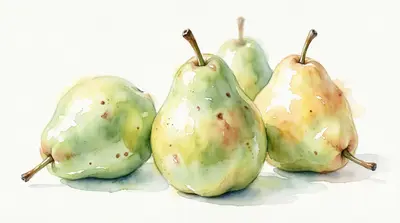
Bartlett pears — classic sweet and soft when ripe
Anjou pears — slightly firmer, good for pigs who like crunch
Bosc pears — dense and crunchy, longer lasting texture
Asian pears — crisp like apples, very juicy
Avoid: Pear seeds (cyanide risk), overripe mushy pears (fermentation risk), canned pears (added sugar), dried pears (concentrated sugar), any pear with brown mushy spots
Feeding Guide
Baby Guinea pigs under 6 months: Skip pears — too sugary for little ones
Adult pigs 1-2 pounds: One thin slice or 1-inch chunk, once weekly
Senior pigs: Ideal fruit choice — soft texture is easy to gum, same portion size
Overweight pigs: Once monthly or skip entirely — the sugar adds up
Positive Signs
Eager approach and immediate interest in the sweet smell
Happy munching without struggle
Normal digestion — pears are usually gentle on tummies
Good energy and bright eyes after eating
Negative Signs
Diarrhea or very soft stools — too much sugar or overripe pear, back to hay only
Refusing to eat — might be too soft or not ripe enough, try different variety
Weight gain — cut back on all fruit treats
Sticky fur around mouth — pears are juicy, wipe your piggy's face after eating
Preparation Science
Room temperature pears release more aroma compounds, making them more appealing and easier to digest than cold ones. The flesh oxidizes quickly, so cut just before serving for maximum appeal.
Enrichment Science
The strong sweet aroma triggers anticipatory behaviors — wheeking, popcorning, approaching you — which builds positive associations and reduces stress during handling.
Play Ideas
Easy: Hand-feed pear slices for gentle bonding time
Medium: Create a "pear kabob" with alternating pear and bell pepper on a safe skewer
Hard: Freeze small pear chunks for a slushy treat on hot days — supervise for brain freeze
FAQ
Q: Are pear seeds as dangerous as apple seeds?
A: Yes — same cyanide compound, same rule: remove them all. Core that pear like your piggy's life depends on it, because it does.
Q: My Guinea pig loves pears but not apples — is that weird?
A: Not at all! Pears are softer and some piggies prefer the texture. Others like the different sweetness profile. Every piggy has preferences, just like humans. Roll with what they love, as long as it's safe.
ALTERNATIVES_COMPARITIES:
Apple is crunchier and slightly sweeter — rotate for texture variety
Berries are lower sugar per bite but messier — good for different enrichment
Melons are more hydrating but also sugary — summer alternative to pears
Peach or nectarine (no pit!) are similar soft texture — occasional rotation options
Risks & Disclaimer
Pear seeds contain cyanide compounds and must be completely removed. Like all fruits, pears are high in sugar and should be occasional treats, not dietary staples. Overfeeding leads to obesity and digestive issues. Enjoy the sweetness in moderation!