Preparation
Wash thoroughly. Serve raw. Remove tough stems. Never wilt or cook it — cooked brassicas are harder on the gut.
Quantity
1-2 small leaves (about 10-15g) two or three times per week. Kale is nutritious but high in calcium and oxalates, so it's a "rotation" green rather than an everyday staple.
Notes
Kale belongs to the brassica family, which produces small amounts of gas-causing compounds. Guinea pigs have sensitive digestive systems, so mix kale in with lower-gas greens like romaine or cucumber rather than serving it solo. Guinea pigs with a history of bladder sludge or stones should get kale less often due to its calcium content.
Nutritional Benefits
* Excellent vitamin C source — one small leaf delivers a meaningful chunk of your guinea pig's daily 10-30mg requirement, which they cannot produce on their own
* High in vitamin K, supporting healthy blood clotting and bone metabolism
* Rich in beta-carotene, converted to vitamin A for eye health and immune function
* Contains lutein and zeaxanthin, antioxidants that support eye tissue over the long term
* Provides calcium and magnesium for strong teeth and bones — though the calcium content means moderation is key
Safe Varieties
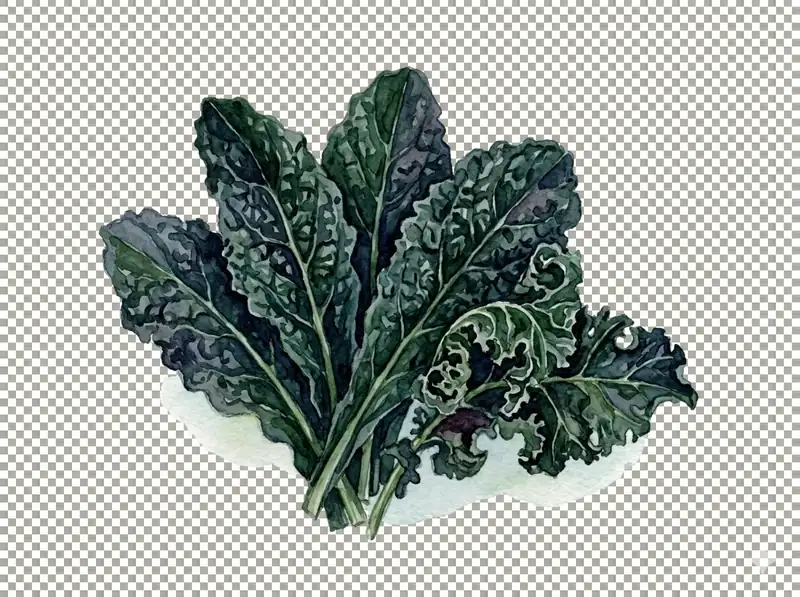
1. Curly kale — most commonly available, well-tolerated, great texture for chewing
2. Lacinato (dinosaur) kale — slightly lower in oxalates, often preferred for guinea pigs with sensitive digestive systems
3. Red Russian kale — tender leaves, mild flavour, a good introduction kale for new eaters
4. Baby kale — softer and lower in tough fibres, ideal for younger or smaller guinea pigs
5. Ornamental kale — technically safe, but usually bred for looks not nutrition; skip it if you have a real option
Feeding Guide
Offer 1-2 leaves (roughly 10-15g) per guinea pig, two to three times per week.
Rotate with lower-calcium greens on the other days — romaine, green leaf lettuce, and herbs are great partners.
Always introduce kale gradually if your guinea pig hasn't had it before; start with half a leaf every few days.
Fresh water must always be available — kale's calcium content makes hydration extra important.
Positive Signs
* Runs toward the cage door when it sees kale coming (a very good sign)
* Crunches enthusiastically and finishes the leaf within 10-15 minutes
* Normal soft cecotropes production (the nutrient-packed night droppings guinea pigs re-eat)
* Firm, well-formed regular droppings in the hours after feeding
Negative Signs
* Loose or unusually soft droppings after eating — kale may be too much too fast, reduce the amount
* Bloated-looking belly or discomfort — a sign of gas buildup; cut out kale temporarily and reintroduce more slowly
* Gritty or sludgy urine (harder to spot but worth a vet check if you notice straining) — could signal calcium buildup
* Refusing kale after a few tries — some guinea pigs simply don't like brassicas; move on to other vitamin C sources like bell pepper
Preparation Science
Rinsing kale under cold water removes residual pesticides and surface bacteria without depleting water-soluble vitamins. Avoid soaking it for extended periods, as vitamin C leaches into water quickly — a quick cold rinse is all it needs.
Enrichment Science
Guinea pigs are natural foragers who spend most of their waking hours searching for and evaluating food. The slight bitterness of kale engages their taste discrimination instincts, making mealtime genuinely stimulating rather than just fuel.
Play Ideas
Easy: Tuck a kale leaf between the bars of the cage so your guinea pig has to tug and tear it free — this mimics foraging in tall grass.
Medium: Hide small kale pieces under a layer of hay in a cardboard box with holes cut in the sides; guinea pig sniffs out the greens buried in the pile.
Hard: Thread kale leaves onto a guinea pig-safe wooden skewer or hang them from a clip inside the enclosure at nose height so they have to stand up and stretch to nibble.
FAQ
Q: Can I give my guinea pig kale every day?
A: It's better not to. Kale is high in calcium and oxalates, and daily servings over time can contribute to bladder sludge or stones — a genuinely painful condition for guinea pigs. Two to three times a week, rotated with other greens, is the sweet spot.
Q: My guinea pig ate a big bunch of kale and now seems gassy — what should I do?
A: Remove any remaining kale and make sure fresh water and unlimited hay are available. Hay keeps the gut moving and helps work through gas. Most mild cases resolve within a few hours. If your guinea pig seems hunched, stops eating entirely, or shows signs of pain after 4-6 hours, call a vet — bloat can become serious.
Alternatives
* Bell pepper (red) — arguably the best daily vitamin C source for guinea pigs; lower in calcium than kale and rarely causes digestive upset, making it a safer everyday option
* Romaine lettuce — much lower vitamin C but gentle on the gut, high water content, great for hydration; perfect daily base green to pair with kale rotation
* Parsley — very high in vitamin C and calcium (similar caution as kale), excellent flavour that most guinea pigs love; use on alternate days to kale rather than together
* Dandelion greens — solid vitamin C and great variety; slightly easier on the gut than kale and usually adored by guinea pigs, making them a good swap-in day
Risks & Disclaimer
Kale is safe for most healthy guinea pigs when fed in moderation two to three times a week. Guinea pigs with a history of urinary calcium issues, bladder sludge, or kidney problems should have kale limited further or avoided — consult your vet if you're unsure.