Preparation
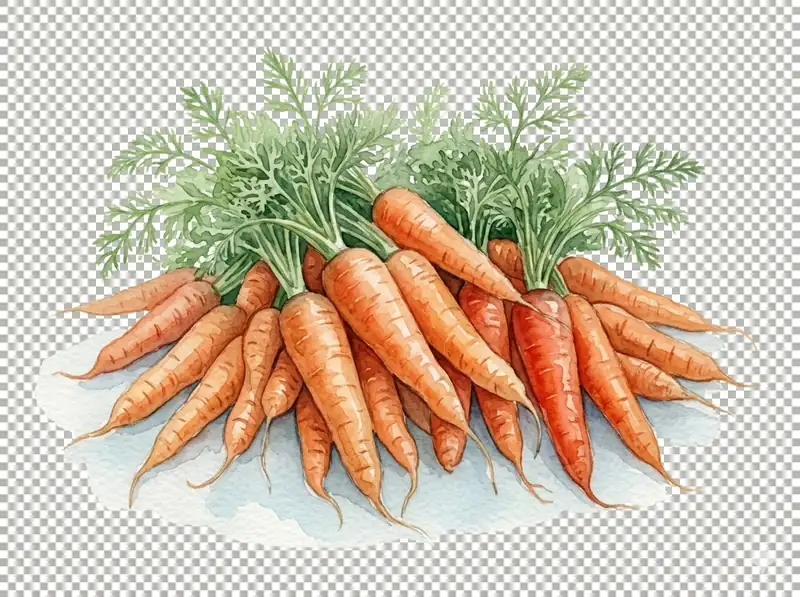
Wash thoroughly, peel if not organic, chop into Guinea pig-sized sticks or coins, remove any green tops if they're bitter or wilted
Quantity
One to two baby carrots or a 2-inch piece of regular carrot, 2-3 times per week max — this is a treat, not a staple
Notes
Perfect for bonding time and hand-taming. Skip if your piggy is overweight or has diabetes concerns. The sugar content is real, so think of it like dessert.
Nutritional Benefits
Vitamin A powerhouse — keeps those bright eyes even brighter and supports healthy skin
Crunch factor helps wear down those ever-growing teeth naturally
Fiber keeps the digestive train running on schedule
Natural sweetness makes training and taming way easier
Beta-carotene gives that healthy glow to your piggy's coat
Safe Varieties
Organic whole carrots — the gold standard, sweet and clean
Rainbow carrots — purple and yellow ones are fun variety with similar nutrition
Baby carrots — convenient but check they're not treated with chlorine
Homegrown carrots — small and tender, your piggy will think they hit the jackpot
Avoid: Canned carrots (too soft, added salt), cooked carrots (wrong texture, lost nutrients), carrot cake (obviously)
Feeding Guide
Baby Guinea pigs under 6 months: Skip the carrots, focus on hay and pellets — their tummies are too sensitive for sugar
Adult pigs 1-2 pounds: One baby carrot or 2-inch chunk, twice weekly
Senior pigs or chubby piggies: Half a baby carrot once weekly, or swap for lower-sugar veggies
Active pigs who exercise lots: Can handle the upper range, but still keep it occasional
Positive Signs
Immediate wheeking and popcorning when they smell it coming
Bright eyes and energetic behavior after eating
Normal poops within 12 hours — no soft stools
Eager to take from your hand, building that trust bond
Negative Signs
Soft or runny poop within 24 hours — cut back immediately and offer more hay
Weight gain over two weeks — time to switch to cucumber instead
Leaving carrot bits uneaten — might be too hard or they might be full, try smaller pieces
Lethargy after eating — rare but could signal blood sugar spike, call your vet if it persists
Preparation Science
Raw carrots maintain dental benefits through abrasion, plus cooking breaks down fiber into sugars. Cold carrots from the fridge add temperature variety that stimulates sensory exploration.
Enrichment Science
Carrots tap into the natural foraging instinct — that crunch satisfaction triggers reward centers in your Guinea pig's brain, making them associate you with good things.
Play Ideas
Easy: Hand-feed a carrot stick during lap time to build trust
Medium: Hide small carrot coins in a hay pile for a treasure hunt
Hard: String carrot chunks on a safe wooden skewer hung at nose level for a pull-and-munch challenge
FAQ
Q: My Guinea pig begs for carrots every time I open the fridge — is that okay?
A: Those dramatic wheeks are adorable but stick to your guns! Begging doesn't mean needing. Keep carrots as special occasions, not daily expectations.
Q: Can I feed the carrot tops too?
A: Absolutely! The leafy greens are actually better for daily feeding than the root. Just wash well and chop roughly.
ALTERNATIVES_COMPARITIES:
Bell pepper has way less sugar and can be daily — swap carrot for pepper if your piggy needs to slim down
Cucumber is crunch without the sugar hit — great for hot days when you want that satisfying snap
Zucchini offers similar texture with fewer calories — perfect for weight-conscious piggies
Celery is the ultra-low-sugar crunchy option, though less exciting to most piggies
Risks & Disclaimer
Carrots are high in natural sugars, so overfeeding can lead to obesity and digestive issues. Think of them as the cookie jar — fine in moderation, problematic if it becomes a free-for-all. Your Guinea pig will thank you for the restraint with a longer, healthier life.