Preparation
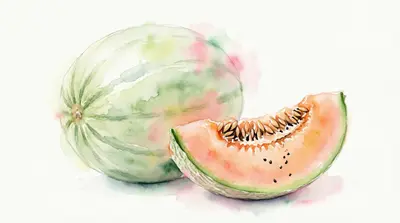
Wash the rind thoroughly (bacteria can transfer), cut in half and scoop out ALL seeds (choking hazard), cut flesh into small chunks, remove rind completely (too tough), serve fresh only
Quantity
One 1-inch chunk, once or twice weekly — treat status, watch the sugar
Notes
Less watery than watermelon but higher in sugar, so portion control matters. The seeds are a definite choking hazard, so be thorough scooping them out. Perfect for when you want a sweet treat without the watery mess of watermelon.
Nutritional Benefits
Beta-carotene gives the orange color and supports eye health
Vitamin C content is solid — more than many fruits
Potassium helps with hydration and muscle function
Less watery than watermelon, so less diarrhea risk
Folate supports cell growth and repair
Safe Varieties
Regular cantaloupe — the standard orange-fleshed melon
Tuscan cantaloupe — sweeter, more aromatic
Galia melon — green flesh, similar nutrition
Honeydew — similar category, pale green flesh
Avoid: Any melon with mold or soft spots, the rind (too tough and fibrous), seeds (choking hazard), canned melon (added sugar), underripe hard melon (hard to digest)
Feeding Guide
Baby Guinea pigs under 6 months: Skip cantaloupe — too sugary for little ones
Adult pigs 1-2 pounds: 1-inch chunk, once weekly
Senior pigs: Same as adults, softer texture is easy on teeth
Overweight pigs: Once monthly or skip — the sugar adds up
Positive Signs
Immediate interest in the sweet smell
Happy munching and normal digestion
Bright eyes and good energy
Healthy orange-tinted urine (normal from beta-carotene, fades in a day)
Negative Signs
Diarrhea or soft stools — too much sugar or portion too big
Refusing to eat — might be overripe or underripe, try fresher melon
Weight gain over weeks — reduce all fruit treats
Choking on seeds — always double-check you removed them all
Preparation Science
The orange flesh contains carotenoids that support immune function, while the high water content aids hydration. Removing seeds is crucial — unlike watermelon seeds that might pass through, cantaloupe seeds are larger and can cause blockages.
Enrichment Science
The strong musky aroma triggers intense foraging interest and creates positive emotional associations, making cantaloupe excellent for training and bonding sessions.
Play Ideas
Easy: Hand-feed chunks for sweet bonding moments
Medium: Create a "melon ball" by scooping with a melon baller for perfect portions
Hard: Freeze chunks for a refreshing summer treat — supervise for temperature sensitivity
FAQ
Q: Can Guinea pigs eat cantaloupe rind like watermelon rind?
A: No — cantaloupe rind is much tougher and harder to digest than watermelon rind. Stick to the orange flesh only. The rind can cause digestive blockages, so don't risk it.
Q: Is cantaloupe better than watermelon for Guinea pigs?
A: Cantaloupe has more nutrients and less water, so less diarrhea risk, but more sugar per bite. Watermelon is better for extreme heat and hydration, cantaloupe is better for a nutritious treat. Rotate them!
ALTERNATIVES_COMPARITIES:
Watermelon is more hydrating but less nutritious — better for hot weather
Honeydew is similar to cantaloupe — rotate for variety
Peach (no pit!) is similar texture and sugar — occasional rotation
Bell pepper has vitamin C without the sugar — better daily choice
Risks & Disclaimer
Cantaloupe seeds are choking hazards and must be completely removed. The sugar content is significant, so overfeeding leads to obesity and digestive issues. This is a treat, not a meal. Enjoy the sweetness in moderation for a healthy piggy.