Preparation
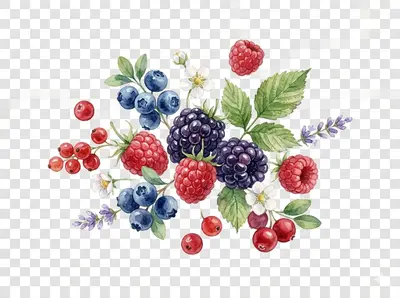
Wash thoroughly, feed whole or cut in half for tiny pigs, serve fresh or thawed from frozen (never frozen solid), remove any stems
Quantity
Two to three berries, once or twice weekly — tiny but mighty sugary, so keep it minimal
Notes
These are treat-level only. The antioxidant benefits are real but so is the sugar content. Perfect for training because they're small and high-value. The dark color can stain light fur temporarily, so white piggies might look funny after munching.
Nutritional Benefits
Antioxidant superstars — support cellular health and may reduce inflammation
Vitamin C and K in a tiny package
Fiber in the skin aids digestion
Low calorie per berry — you can be generous with count but not frequency
Perfect size for training and taming sessions
Safe Varieties
Fresh cultivated blueberries — plump, sweet, widely available
Wild blueberries — smaller, more intense flavor, higher antioxidants
Organic blueberries — avoid pesticide residue since they eat them whole
Frozen blueberries thawed — okay when fresh aren't available
Avoid: Frozen-solid blueberries (too cold and hard), dried blueberries (concentrated sugar), blueberry muffins or products (obviously), any with mold or mushy spots
Feeding Guide
Baby Guinea pigs under 6 months: Skip blueberries — too sugary for babies
Adult pigs 1-2 pounds: 2-3 berries, once or twice weekly
Senior pigs: Same as adults, soft texture is easy on teeth
Overweight pigs: 1-2 berries weekly max, or use as high-value training reward only
Positive Signs
Immediate interest and eager eating
Playful "chasing" of berries if they roll
Normal digestion — berries are usually gentle
Bright eyes and active behavior from antioxidant boost
Negative Signs
Diarrhea — too many berries or too much sugar, cut back to hay
Blue-stained fur around mouth — harmless but funny looking, wipes off with damp cloth
Refusing other foods — don't let them hold out for berry treats
Weight gain — reduce all fruit treats if this happens
Preparation Science
Room temperature berries release more aromatic compounds, making them more appealing. The thin skin breaks easily, releasing juices that signal freshness and trigger eating behaviors.
Enrichment Science
The small size requires fine motor control and problem-solving — piggies must figure out how to pick up and manipulate something smaller than their usual food, providing mental stimulation.
Play Ideas
Easy: Hand-feed blueberries for trust building — they're small enough to feed quickly
Medium: Scatter blueberries in hay for a foraging treasure hunt
Hard: Place blueberries in a small puzzle feeder that requires nudging to release berries
FAQ
Q: Can blueberries turn my white Guinea pig's fur blue?
A: Temporarily, yes! The dark juice can stain light fur around the mouth, but it washes off with a damp cloth or fades on its own. It's harmless and pretty funny — your piggy looks like they got into the berry patch.
Q: Are wild blueberries better than regular ones?
A: Wild blueberries have more antioxidants per berry, but they're also smaller and more expensive. Regular blueberries are perfectly fine — the difference isn't huge for the occasional treat you're feeding.
ALTERNATIVES_COMPARITIES:
Strawberries are bigger and less messy — easier to handle but similar sugar content
Raspberries are similar size and nutrition — rotate for variety
Blackberries are bigger and crunchier — good for different texture
Bell pepper pieces are way less sugar — better for daily treats, save berries for special occasions
Risks & Disclaimer
Blueberries are safe but sugar-dense. Overfeeding leads to digestive upset and obesity. They're treats, not dietary staples. The staining is harmless but the sugar isn't — keep portions tiny and frequency low for a healthy, happy piggy.