Quantity
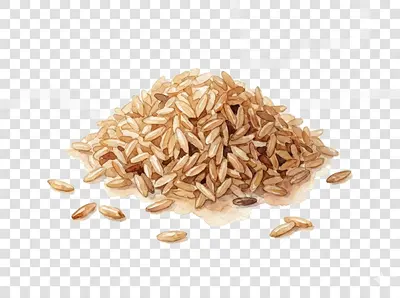
A few grains of uncooked rice in a large tank won't cause a disaster, but they'll still decompose and contribute to waste. In a small tank, even a teaspoon of rice can cause a noticeable ammonia spike. Cooked rice disintegrates so fast that even a small amount can cloud a 20-gallon tank.
Notes
This applies to all types of rice: white, brown, jasmine, basmati, wild rice, and especially sticky/glutinous rice, which creates the worst starchy mess in water. Cooked rice left over from meals is a common "why not toss it in?" impulse that should be resisted. Fish don't eat rice in any natural context.
Negative Signs
* Bloating if grains were swallowed
* Cloudy water from starch dissolution
* Clogged filter intake and reduced flow
* Ammonia spike from decomposing rice
* Fish avoiding the substrate area where rice has settled
* White stringy feces (impaction)
FAQ
Q: A grain of rice fell in the tank. Should I worry?
A: Not really — one grain is unlikely to cause problems for any but the smallest fish. Fish it out if you can reach it easily, but don't stress about it. The concern is with larger quantities or repeated additions.
Q: Can fish eat cooked rice?
A: They physically can, but they shouldn't. Cooked rice disintegrates in water almost immediately, fouling the tank. It provides no nutrition that fish need. There are so many better options that rice just isn't worth it.
Alternatives
For a starchy, carb-based treat, blanched peas are far superior — digestible, nutritious, and they hold together in water. Algae wafers and sinking pellets also provide carbohydrates in a fish-appropriate form.
Risks & Disclaimer
Remove all rice grains from the tank — vacuum the substrate if needed. Do a water change and clean or rinse filter media if flow has decreased. If a fish swallowed rice and appears bloated, fast for 24–48 hours and offer a blanched pea afterward.