Preparation
Blanch it quickly in hot water to soften, then clip it to the tank side or weigh it down so it sinks for bottom feeders.
Quantity
Offer a small leaf piece, about the size of a quarter, once or twice a week – remove uneaten bits after 24 hours to keep water clean.
Notes
Great for herbivorous fish like plecos or goldfish who love greens, but watch out for carnivorous types who might ignore it altogether.
Nutritional Benefits
* Packs vitamins A and C to keep your fish's colors bright and scales shiny.
* Fiber helps with digestion, preventing those pesky swim bladder issues.
* Low-calorie treat that adds variety without overloading their tiny tummies.
* Antioxidants boost immunity, helping your fish fight off tank troubles.
* Natural roughage mimics wild foraging, keeping things natural.
Safe Varieties
1. Organic curly kale – top pick for purity, your fish will munch happily without pesticides.
2. Baby kale leaves – tender and easy to prep, perfect for smaller fish.
3. Red Russian kale – adds color variety, but blanch extra to soften.
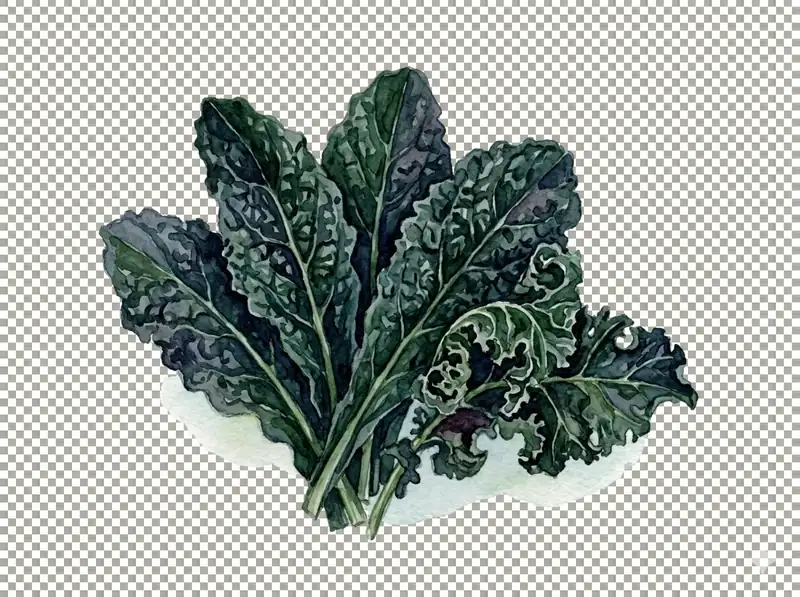
4. Lacinato kale – hearty option, great for bigger tanks, but chop fine.
Avoid any kale treated with chemicals or wilted stuff – stick to fresh for safety.
Feeding Guide
For small fish like tetras, start with a dime-sized piece weekly.
Medium goldfish get a nickel-sized bit twice a week.
Large plecos can handle a quarter-sized leaf every few days.
Always monitor – if they ignore it, cut back to avoid water fouling.
Positive Signs
* Your fish dart over eagerly, nibbling with gusto.
* Brighter colors pop after a few feeds.
* Active swimming without bloating shows good digestion.
* Clean tank water means no waste buildup.
Negative Signs
* If your fish ignores it completely, try a different green – no force-feeding!
* Watch for floating uneaten bits clouding water; remove and reduce amount.
* If bloating appears, stop and check water quality – might need a fast day.
* Any gasping or lethargy? Pull it out and consult your vet buddy.
ENRICHMENT_SCIENCE_NOTES: Kale's texture encourages natural pecking behavior, stimulating your fish's instincts like they're foraging in a riverbed. It keeps their minds sharp, reducing boredom in the tank.
PREPARATION_SCIENCE: Blanching breaks down tough fibers, making nutrients easier to absorb while preventing gas buildup in sensitive fish guts.
Preparation Science
Blanching breaks down tough fibers, making nutrients easier to absorb while preventing gas buildup in sensitive fish guts.
Enrichment Science
Kale's texture encourages natural pecking behavior, stimulating your fish's instincts like they're foraging in a riverbed. It keeps their minds sharp, reducing boredom in the tank.
Play Ideas
Easy: Clip a leaf to the glass for easy access.
Medium: Hide small pieces in tank decor for a hunt.
Hard: Create a veggie skewer with other greens for a floating feast.
FAQ
Q: Can kale replace my fish's regular flakes?
A: Nope, think of it as a fun side dish – flakes are the main meal.
Q: What if my fish eats too much?
A: They'll be fine in small bits, but overdo it and you risk dirty water – scoop leftovers quick.
Alternatives
* Better than spinach for iron without the oxalates that might bind minerals.
* Similar to lettuce but tougher, offering more chew time.
* Unlike carrots, it's leafier for surface nibblers.
* Skip if your fish prefers proteins – go for worms instead.
RISK_DISCLAIMER: Kale's safe in moderation, but too much uneaten can mess with water params – always keep an eye out. Your fish will thank you for the variety!
Risks & Disclaimer
Kale's safe in moderation, but too much uneaten can mess with water params – always keep an eye out. Your fish will thank you for the variety!