Preparation
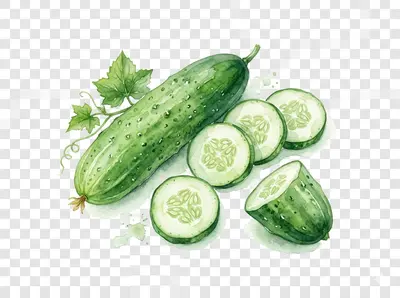
Slice into thin rounds and blanch briefly (30–60 seconds in boiling water, then cool) to soften the flesh for easier nibbling; peeling is optional but removes the waxy coating found on some store-bought varieties. Weight the slice down with a veggie clip, fork, or small clean rock so it sinks to where your bottom-dwellers actually live rather than floating around making a mess.
Quantity
A thin slice (about 1–2 cm thick) is plenty for a small community tank — remove any uneaten cucumber within 24 hours to prevent fouling the water. For large plecos or goldfish, offer every few days rather than daily to keep the diet varied and the tank chemistry stable.
Notes
Cucumber is practically the pleco's love language — bristlenose and common plecos will latch on and rasp away happily for hours. Goldfish, guppies, and even some bettas will peck at it with curiosity. It's a great enrichment tool that sinks naturally once blanched, making it perfect for shy bottom-dwellers who won't compete for surface food.
Nutritional Benefits
* High water content (around 96%) makes it a hydrating supplemental snack that supports healthy digestion without adding significant caloric load
* Provides small amounts of vitamin K and vitamin C, supporting immune function and tissue health in fish
* Contains trace minerals including potassium and magnesium that contribute to electrolyte balance
* The soft, fibrous flesh after blanching acts as gentle roughage, supporting gut motility in herbivorous and omnivorous species
* Low in protein and fat, making it a safe treat that won't skew the nutritional balance of a properly fed tank
Safe Varieties
1. English cucumber (seedless, thinner skin — a great first choice with or without peeling)
2. Garden/slicing cucumber (widely available, peel if waxed)
3. Persian cucumber (small, tender, low seed count — easy to portion)
4. Mini cucumbers (convenient snack-size, no peeling usually needed)
Feeding Guide
Small community tank (10–20 gallons): One thin slice (1 cm thick, half a standard cucumber round) 2–3 times per week is plenty.
Large pleco or goldfish setup: One full round slice, 2–3 times per week; remove within 24 hours regardless of how much is left.
Betta or guppy tank: A small quarter-slice blanched soft; most bettas will nibble rather than gorge — offer once or twice a week as enrichment.
General rule: If the cucumber is still there after 24 hours and looking slimy, you've offered too much. Scale back next time.
Positive Signs
* Fish actively swim toward and investigate the cucumber slice within a few minutes of it sinking
* Plecos and bottom feeders attach and rasp steadily, leaving visible teeth marks across the flesh
* Fish appear animated and engaged, with increased activity around feeding time
* Cucumber is largely consumed within 12–18 hours, leaving only skin scraps
Negative Signs
* Cucumber ignored entirely for more than an hour (may indicate fish are full, stressed, or the slice is too large/hard)
* Water turns cloudy or smells off within a few hours — cucumber left too long or tank already has water quality issues
* Fish appear lethargic after introduction (rare, but check for pesticide residue — always rinse thoroughly)
* Uneaten cucumber becomes slimy and starts to break apart, signaling it has been left too long and must be removed immediately
Preparation Science
Blanching breaks down the cell walls in the cucumber flesh, softening it so fish can rasp and nibble without struggling — raw cucumber can be too firm for smaller fish mouths. Brief heat exposure (30–60 seconds) is enough to soften without cooking it into mush; over-blanching releases more organic matter into the water, which accelerates bacterial growth and can cloud your tank faster.
Enrichment Science
Herbivorous and omnivorous fish like plecos and goldfish have evolved foraging behaviors that keep them mentally stimulated when they can actively graze on plant matter — cucumber provides that tactile, exploratory experience that pellets alone simply can't replicate. The act of rasping, pecking, and investigating a novel food source engages natural instincts and can reduce stress-related behaviors in aquarium fish.
Play Ideas
Easy: Clip a blanched slice to a suction-cup veggie clip at the bottom of the tank and watch your pleco claim it immediately — like planting a flag on the moon, but slimier.
Medium: Thread a toothpick through a cucumber slice and anchor it near the substrate at an angle, creating a "grazing station" that mimics how fish encounter plant matter in the wild.
Hard: Create a foraging rotation — cucumber one day, zucchini the next, blanched spinach the day after — and observe which fish gravitate to each vegetable to build a personalized enrichment profile for your tank community.
FAQ
Q: Do I have to peel the cucumber before giving it to my fish?
A: Not always — if you're using an organic or thin-skinned variety like English or Persian cucumber, the skin is fine. For standard grocery store cucumbers with a waxy coating, peeling is a good idea since that wax isn't something you want dissolving into your tank water. When in doubt, peel it; your fish won't miss the skin.
Q: How long can I leave cucumber in the tank?
A: Pull it out after 24 hours maximum — sooner if it starts looking slimy or your water gets cloudy. Decomposing cucumber releases ammonia and organic compounds that spike nitrogen levels, which is bad news for your fish's water quality. When in good shape, cucumber leaves very little waste; when neglected, it can cause a mini-cycle. Set a reminder if you're forgetful.
Q: Will my betta eat cucumber?
A: Bettas are primarily carnivores, so most won't enthusiastically devour cucumber the way a pleco will — but many will curiously peck at it, especially if they're already used to varied feeding. Think of it less as a dietary staple for bettas and more as enrichment. If your betta ignores it completely, that's perfectly normal; just remove it after a few hours.
Alternatives
* Zucchini (courgette) — equally popular with plecos and bottom feeders, slightly more nutrient-dense, and holds its shape a bit longer in the water; a great cucumber swap or rotation partner
* Blanched spinach — higher in iron and vitamins but breaks down faster in water; better for a short feeding session and remove promptly
* Blanched peas (shelled) — excellent for goldfish in particular, especially for preventing swim bladder issues; more targeted therapeutic use than cucumber's general enrichment role
* Blanched broccoli florets — more complex texture and higher in vitamins C and K, but produces more waste; good occasional variety but cucumber is the cleaner option for routine use
Risks & Disclaimer
Always rinse cucumber thoroughly under cold water before blanching to remove pesticide residue, and source organic when possible — what goes into the cucumber goes into your tank water and eventually into your fish. Cucumber is extremely low-risk for freshwater aquarium fish when properly prepared and removed promptly, but neglected slices left in the tank are a water quality hazard, so treat it as a timed treat, not a set-it-and-forget-it feeding.