Quantity
A single kernel can cause impaction in small fish. For larger fish, a few kernels may pass through without incident, but the water quality damage from the starch is immediate regardless of whether the fish eat it. Not worth the risk at any amount.
Notes
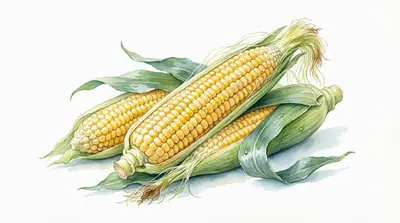
This applies to all forms of corn in an aquarium: raw kernels, canned corn, frozen corn, corn on the cob, and popcorn (which adds salt and oil to the problem). Some commercial fish foods contain corn meal as a filler — that's processed into a digestible form, which is completely different from dropping actual corn kernels into the tank.
Negative Signs
* Bloating and visible abdominal swelling
* Fish struggling to maintain normal swimming position
* White stringy feces or no feces at all (impaction)
* Cloudy water from starch and sugar dissolving
* Ammonia spike from decomposing uneaten kernels
* Lethargy and loss of appetite for regular food
FAQ
Q: My fish ate a piece of corn that fell in the tank. Will they be okay?
A: Probably, if it was just one piece and your fish is medium-sized or larger. Remove any remaining corn, do a small water change, and watch for bloating over the next day. Small fish like tetras are at more risk from even one kernel.
Q: But fish food has corn in the ingredients — isn't that the same thing?
A: No. Corn meal in commercial fish food has been ground, processed, and cooked into a form that fish can actually digest. A raw corn kernel is a completely different thing — it's like comparing flour to a rock.
Alternatives
For a similar veggie-treat experience, blanched peas (deshelled) are the gold standard — they're soft, digestible, nutritious, and actually help with constipation rather than causing it. Blanched zucchini and cucumber slices also work beautifully.
Risks & Disclaimer
Remove all corn from the tank immediately. Vacuum the substrate if kernels have sunk to the bottom. Do a 30% water change and monitor ammonia levels. If a fish is visibly bloated, fast them for 24–48 hours and offer a blanched, deshelled pea.