Preparation
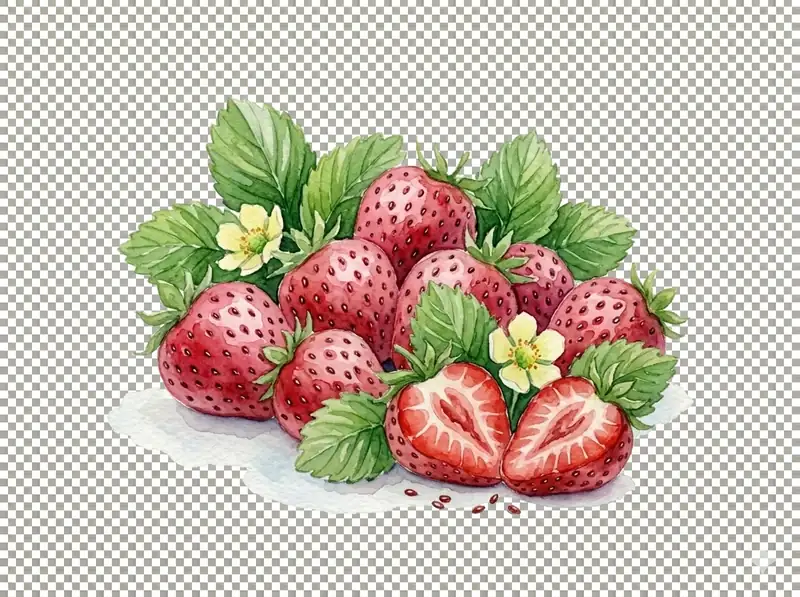
Remove the green leafy top (it's not toxic, but it's not digestible either). Wash well to remove pesticides. Cut into halves or quarters for smaller dogs. No chocolate-dipped strawberries, no strawberry jam, no sugary syrups.
Quantity
Small dogs (under 10kg): 1-2 strawberries. Medium dogs (10-25kg): 3-4 strawberries. Large dogs (25kg+): 5-6 strawberries.
Notes
Strawberries contain natural sugar, so limit them for diabetic or overweight dogs. They also contain a teeth-whitening enzyme, so your dog might flash a brighter smile.
Nutritional Benefits
* Vitamin C supports a healthy immune system
* High in fibre for smooth digestion
* Contains malic acid — an enzyme that can help whiten teeth naturally
* Manganese supports bone health and metabolism
* Antioxidants help protect cells from damage
Safe Varieties
1. Fresh whole strawberries — remove tops, slice for small dogs
2. Frozen strawberries — refreshing on hot days, slightly harder texture
3. Mashed strawberries — mix into food or smear on a lick mat
4. Organic strawberries — great choice since conventional ones can carry more pesticides
5. Freeze-dried strawberries — crunchy and fun, just check for added sugars
Feeding Guide
Small dogs (under 10kg): 1-2 small strawberries, sliced.
Medium dogs (10-25kg): 3-4 strawberries.
Large dogs (25kg+): 5-6 strawberries — plenty for a sweet treat.
Puppies: Half a strawberry, mashed or cut small to prevent choking.
Positive Signs
* Eagerly eats them and comes back looking for more
* Normal stools and no digestive upset
* Good coat condition and energy
* Licks their lips and seems genuinely happy after eating
Negative Signs
* Loose stools or diarrhoea — too much sugar or fibre at once
* Itching, swelling, or hives — rare allergic reaction, stop and call your vet
* Vomiting — ease up on the amount or try a different fruit
* Refusing to eat them — no worries, not every dog is a berry fan
Preparation Science
Fresh strawberries have the highest Vitamin C content — cooking breaks it down fast. Freezing preserves most nutrients while making the texture more interesting for dogs who like a challenge. Washing in a vinegar-water solution removes more pesticides than water alone.
Enrichment Science
The strong scent of strawberries makes them brilliant for nose-work games. Dogs have about 300 million scent receptors, so a ripe strawberry is basically a neon sign their nose can't ignore.
Play Ideas
Easy: Slice a strawberry and mix it into their regular food for a flavour surprise.
Medium: Freeze strawberry pieces inside a Kong with a splash of plain yogurt.
Hard: Set up a scent trail using strawberry pieces leading to a hidden treat jackpot.
FAQ
Q: Can dogs eat the green tops of strawberries?
A: They're not toxic, but they're fibrous and hard to digest. Just twist them off before serving — takes two seconds.
Q: Are strawberries good for dogs with bad breath?
A: Sort of! The malic acid in strawberries can help with teeth staining, and the vitamin C supports gum health. They're not a replacement for dental care, but they're a tastier option than a toothbrush.
Alternatives
* Blueberries — lower in sugar with more antioxidants, smaller and easier to use as training treats
* Raspberries — similar profile but contain trace amounts of xylitol, so keep portions small
* Watermelon — more hydrating with fewer calories, but messier to serve
* Apple slices — crunchier with similar fibre, but skip the seeds
Risks & Disclaimer
Strawberries are safe and well-tolerated by most dogs. Introduce gradually, wash thoroughly, and keep portions within treat-sized amounts. Stop immediately if you notice any allergic reaction.