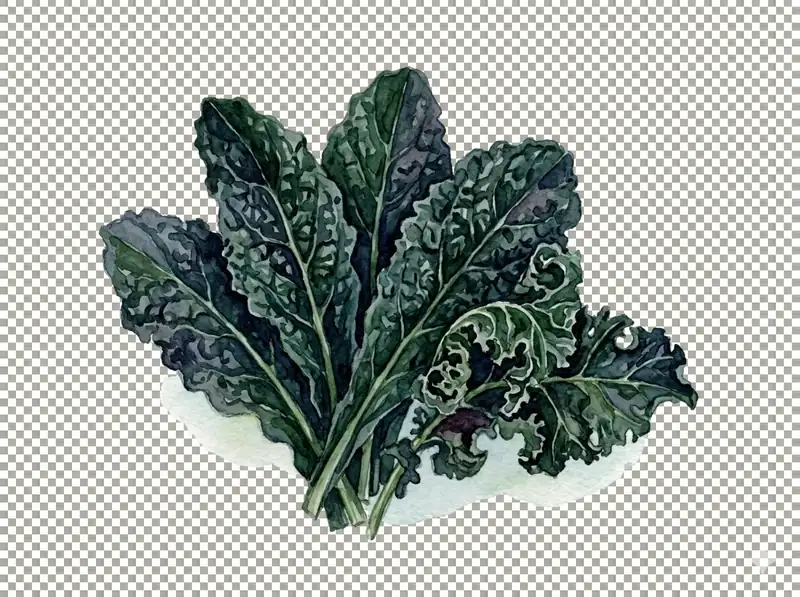
Preparation
Always cook it — steam or blanch to break down tough fibres and reduce potentially irritating compounds. No kale chips with seasoning, no raw kale salads. Chop finely after cooking.
Quantity
Small dogs (under 10kg): half a teaspoon of cooked, chopped kale. Medium dogs (10-25kg): about a teaspoon. Large dogs (25kg+): up to a tablespoon.
Notes
Kale contains calcium oxalate and isothiocyanates, which can irritate the stomach and potentially affect thyroid function in large amounts. Dogs with thyroid or kidney issues should avoid kale. Healthy dogs are fine with small amounts.
Nutritional Benefits
* Vitamin K — essential for blood clotting and bone metabolism
* Vitamin A supports vision, skin, and immune function
* Vitamin C gives an antioxidant boost
* Calcium and iron for bones and healthy blood
* High in fibre to keep digestion on track
Safe Varieties
1. Steamed curly kale — most common, easiest to prep
2. Blanched lacinato (dinosaur) kale — slightly softer texture after cooking
3. Steamed baby kale — more tender leaves, milder flavour
4. Frozen kale (cooked after thawing) — convenient, still nutritious
5. Kale mixed into a home-cooked dog meal — best way to control portions
Feeding Guide
Small dogs (under 10kg): Half a teaspoon of finely chopped, cooked kale.
Medium dogs (10-25kg): About a teaspoon, a couple of times a week.
Large dogs (25kg+): Up to a tablespoon, not every day.
Puppies: Best to skip kale for now — their systems are still maturing.
Positive Signs
* Happily eats it mixed into their meal
* Normal stools and good digestion
* No signs of stomach discomfort or bloating
* Shiny coat and bright eyes over time
Negative Signs
* Gas, bloating, or stomach upset — too much or not cooked thoroughly
* Loose stools — scale back the quantity
* Lethargy or unusual behaviour — stop feeding and consult your vet
* Refusing to eat — kale has a strong flavour many dogs dislike
Preparation Science
Steaming kale for 3-5 minutes breaks down the tough cell walls, making nutrients more accessible and reducing goitrogen levels that can affect the thyroid. Raw kale is much harder for dogs to digest and contains higher levels of potentially irritating compounds.
Enrichment Science
Adding small amounts of different vegetables to meals keeps your dog's palate engaged. Dogs can detect flavour nuances, and subtle variety in their diet helps prevent food boredom and encourages a healthy appetite.
Play Ideas
Easy: Mix a tiny amount of steamed kale into their regular dinner as a green boost.
Medium: Blend cooked kale with banana and freeze into small treat-sized cubes.
Hard: Create a veggie medley Kong with kale, carrot, and a dab of peanut butter, then freeze.
FAQ
Q: Can kale affect my dog's thyroid?
A: In small amounts, kale is fine for dogs with healthy thyroids. The concern is with large, regular portions — the isothiocyanates can interfere with thyroid function over time. Moderation is key.
Q: Is kale better than spinach for dogs?
A: They're pretty similar — both are nutrient-dense and both need portion control. Kale has a bit more Vitamin C and K, spinach has more iron. Either works in small, cooked amounts.
Alternatives
* Spinach — similar nutrient profile with oxalic acid concerns instead of thyroid concerns
* Green beans — much safer for regular feeding, fewer caveats
* Broccoli — comparable vitamins but also needs portion control
* Romaine lettuce — far less nutritious but zero risk, good for hydration
Risks & Disclaimer
Kale is safe for healthy dogs in small, cooked portions. Skip it for dogs with thyroid conditions or kidney problems. Always cook it, chop it finely, and keep it as an occasional supplement — not a main event.