Preparation
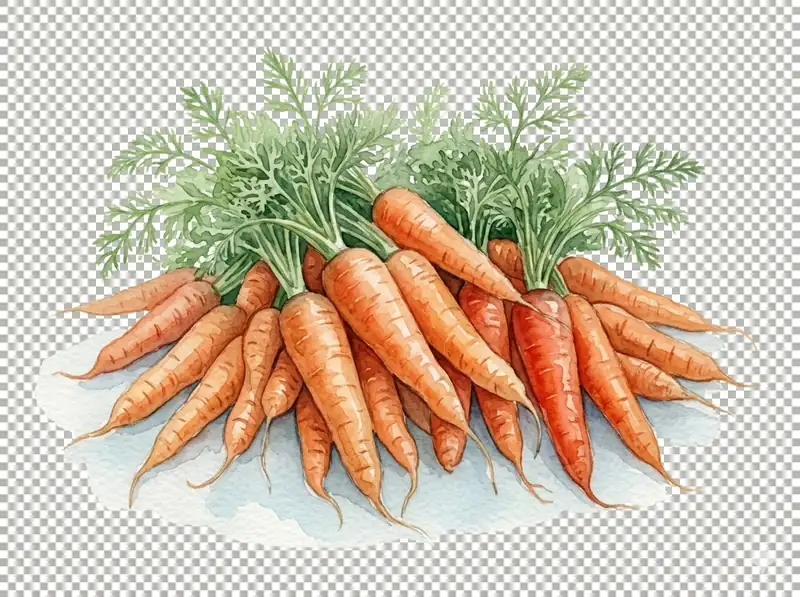
Raw or cooked, both work great. Skip any seasoning, butter, or sauces. Chop into bite-sized pieces for small dogs to avoid choking. Large chunks are fine for big chewers — and great for teeth.
Quantity
Carrots follow the 10% treat rule. For a small dog (under 10kg), that's about 2-3 baby carrots a day. Medium dogs (10-25kg) can handle 3-5. Big dogs (25kg+) can enjoy a whole carrot no problem. A few times a week is plenty — daily is fine too.
Notes
Carrots are high in natural sugar compared to leafy greens, so dial it back for diabetic dogs or ones prone to weight gain. Frozen carrots are a brilliant teething remedy for puppies and a cool summer treat for adults.
Nutritional Benefits
* Beta-carotene converts to Vitamin A, which is great for your dog's eyesight, immune system, and skin health
* Fibre helps keep digestion moving smoothly — good news for dogs who occasionally get a bit sluggish in that department
* Low in calories and fat, so they're a guilt-free swap for store-bought treats
* Chewing raw carrots helps scrape plaque off teeth — nature's toothbrush, basically
* Contains Vitamin K and potassium, which support bone strength and heart function
Safe Varieties
1. Raw whole carrots — best for dental benefits and enrichment; great for medium and large dogs
2. Baby carrots — convenient, pre-sized, perfect for small dogs and quick rewards
3. Steamed or boiled carrots — softer option for senior dogs or those with dental issues; beta-carotene actually absorbs better when cooked
4. Frozen carrots — brilliant for puppies teething or hot summer days; keeps them busy longer
5. Dehydrated carrots — fine as an occasional crunchy treat, just check there are no added salt or preservatives
Feeding Guide
Small dogs (under 10kg): 2-3 baby carrots or a few small pieces a day is plenty.
Medium dogs (10-25kg): 3-5 baby carrots or half a medium carrot is a solid amount.
Large dogs (25kg+): A whole carrot a day is absolutely fine — they'll demolish it in seconds.
Puppies: A small frozen carrot chunk works wonders for sore gums, but keep portions small until their digestive system matures.
Positive Signs
* Crunches through it enthusiastically with no vomiting or loose stools afterward
* Bright eyes, healthy coat, and good energy — signs that Vitamin A is doing its thing
* Finishes the carrot without leaving bits behind (a dog seal of approval)
* Seems genuinely excited when they see you reach for the carrot bag
Negative Signs
* Loose stools or gas after eating — probably had too much fibre at once; ease back on the quantity
* Gagging or coughing — piece may be too large; slice smaller next time especially for small dogs
* Disinterest or spitting it out — not every dog is a carrot fan, which is fine, try a cooked version instead
* Vomiting or bloating after large quantities — rare, but too much of anything isn't great; stick to the 10% rule
Preparation Science
Raw carrots retain more Vitamin C and some water-soluble nutrients, but lightly steaming actually increases beta-carotene bioavailability by breaking down the tough cell walls. Either way your dog wins — raw for crunch and dental benefits, cooked for slightly better nutrient absorption.
Enrichment Science
Chewing is naturally calming for dogs — it releases endorphins and helps manage stress and boredom. A raw carrot gives your dog something satisfying to work through, which beats chewing your furniture by a considerable margin.
Play Ideas
Easy: Hand your dog a whole raw carrot and let them go to town — it'll keep them busy and clean their teeth at the same time.
Medium: Freeze a carrot inside a Kong or wrap a baby carrot in a lick mat layered with a thin smear of plain peanut butter.
Hard: Hide small carrot pieces around the house or garden for a nose-work scavenger hunt — sniffing is surprisingly tiring for dogs.
FAQ
Q: Can dogs eat carrot tops (the green leafy bit)?
A: Yes, the tops are non-toxic and some dogs happily munch them. They're a bit bitter though, so don't be surprised if your dog gives them a suspicious sniff and walks away.
Q: Are carrots safe for puppies?
A: Absolutely. Frozen carrot sticks are actually a popular puppy teething trick — cold, hard, and non-toxic. Just keep pieces small for tiny pups.
Q: My dog swallowed a large piece of carrot whole — should I worry?
A: Monitor them for a few hours. Carrots are soft enough that they usually pass without issue, but if your dog is retching, uncomfortable, or not pooping normally within 24 hours, call your vet.
Q: Can diabetic dogs eat carrots?
A: In small amounts, yes — but carrots have a moderate glycaemic index, so they shouldn't be a daily staple for diabetic dogs. Check with your vet on portion guidance specific to your dog's condition.
Alternatives
* Cucumber — lower in sugar and calories than carrot, great for overweight dogs, but less nutritionally dense and not as interesting to chew
* Green beans — similarly low-calorie with good fibre, less sweet, excellent for weight management; dogs tend to be less enthusiastic about them
* Broccoli — higher in Vitamin C and iron than carrots but should be kept to small amounts due to isothiocyanates that can cause gastric irritation in larger quantities
* Sweet potato — similarly nutritious and beta-carotene rich, but higher in calories and sugar; best served cooked and in smaller portions than carrot
Risks & Disclaimer
Carrots are one of the safest vegetables you can give your dog — serious adverse reactions are very rare. As with any treat, keep portions reasonable, introduce slowly if it's a new food for your dog, and always cut to an appropriate size to avoid choking in small breeds.