Preparation
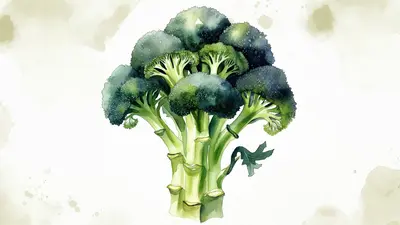
Serve raw or lightly steamed, no seasoning, butter, oil, or sauces. Cut into small florets for small dogs to prevent choking. Stems are safe but should be chopped into bite-sized pieces — they're tougher to chew than the florets.
Quantity
Keep broccoli under 10% of your dog's daily food intake. More than 25% can cause serious gastric irritation thanks to isothiocyanates. A few small florets per day for a medium dog is a safe, happy amount.
Notes
The isothiocyanates in broccoli (concentrated in the florets) can cause mild to severe gastric upset in dogs if overfed. Small amounts are fine and genuinely beneficial. This is a "wonderful in moderation, problematic in excess" vegetable — which is why it's situational rather than a free-for-all.
Nutritional Benefits
* Rich in Vitamin C — supports immune function and acts as an antioxidant to fight cellular damage
* High in Vitamin K — essential for blood clotting and bone metabolism
* Excellent source of dietary fibre — promotes healthy digestion and helps dogs feel full longer
* Contains sulforaphane — a compound studied for its anti-inflammatory and potential anti-cancer properties
* Provides folate and potassium — supporting cell growth and heart health respectively
Safe Varieties
1. Raw broccoli florets — crunchy and nutrient-rich, best for dogs who like texture; cut small for safety
2. Steamed broccoli — softer, easier to digest, slightly reduced Vitamin C but better nutrient absorption overall
3. Broccoli stems — safe and nutritious but tougher; peel outer layer and chop into small discs
4. Frozen broccoli (plain, no sauce) — convenient and retains most nutrients; thaw or serve frozen as a cool treat
5. Avoid: broccoli with cheese sauce, butter, garlic, onion seasoning, or any prepared dish with added ingredients
Feeding Guide
Small dogs (under 10kg): 1-2 small florets per serving, a few times a week.
Medium dogs (10-25kg): 2-4 small florets per serving is a good amount.
Large dogs (25kg+): A small handful of florets is fine — but don't let them convince you they need the whole head.
Puppies: Introduce a single tiny floret first, steamed for easier digestion. Wait 24 hours and watch for any tummy upset.
Positive Signs
* Crunches through florets with enthusiasm and no digestive complaints afterward
* Normal, well-formed stools in the 24 hours following broccoli
* Bright energy and no signs of bloating or discomfort
* Comes back looking for more — a clear vote of approval
Negative Signs
* Gas or bloating — the most common sign of too much broccoli; reduce the amount next time
* Loose stools or diarrhoea — isothiocyanates may be irritating the gut; cut back significantly or stop
* Vomiting — rare at normal portions, but a sign to stop and consult your vet if it persists
* Lethargy after eating — could indicate significant gastric distress; call your vet if combined with other symptoms
Preparation Science
Steaming broccoli for 3-5 minutes softens the cell walls enough to improve nutrient absorption while preserving most of the Vitamin C and sulforaphane content. Boiling leaches water-soluble vitamins into the cooking water — if you boil it, you can pour a small amount of the unseasoned cooking water over your dog's food to recapture some of those lost nutrients.
Enrichment Science
The firm, tree-like structure of broccoli florets gives dogs something interesting to grip and chew, engaging their jaw muscles differently than typical treats. The varied texture between the crunchy stem and the softer floret head adds sensory interest — dogs experience food through texture as much as flavour.
Play Ideas
Easy: Hand your dog a raw broccoli stem and let them gnaw — it's a natural chew toy that's actually good for them.
Medium: Freeze small broccoli florets into an ice cube with a splash of unsalted bone broth — a cool puzzle treat for warm days.
Hard: Scatter tiny floret pieces in a snuffle mat or across a textured surface for a nose-work foraging session.
FAQ
Q: I've heard broccoli is toxic to dogs — is that true?
A: Not exactly. Broccoli contains isothiocyanates, which can cause gastric irritation, but only when consumed in large quantities (over 25% of daily food). In normal treat-sized portions, broccoli is safe and nutritious. It's a dose issue, not a toxicity issue.
Q: Should I give my dog raw or cooked broccoli?
A: Both are fine. Raw is crunchier and great for dental health, cooked is easier to digest and better for nutrient absorption. Most dogs do slightly better with lightly steamed broccoli, especially if they have a sensitive stomach.
Alternatives
* Green beans — similar fibre and vitamin profile but without the isothiocyanate concern; a safer everyday option if your dog tolerates them
* Cauliflower — same brassica family with similar benefits and similar (milder) gas risk; slightly less nutrient-dense than broccoli
* Carrot — sweeter, lower risk, universally popular; less Vitamin C but more beta-carotene
* Zucchini — very mild, hydrating, ultra-low calorie; good for weight management but less nutritionally powerful than broccoli
Risks & Disclaimer
Broccoli is safe for dogs in moderation but should always be limited to under 10% of daily food intake. The isothiocyanates in the florets can cause gastric upset in larger quantities. Start with small amounts, watch for gas or digestive changes, and keep portions sensible. When in doubt, steamed florets in small quantities are the safest approach.