Preparation
You must split them open, the skin is too hard for them to breach on their own. Raw is great, but baking them lightly makes the flesh irresistible. Scoop out the seeds and serve them too!
Quantity
Half a medium squash per five birds, once a week.
Notes
Great for a nutritious winter energy boost. Watch out for the extremely hard rinds, you will need a sharp knife or a clean hatchet to open them!
Nutritional Benefits
* Incredible source of vitamin A to keep their eyes sharp and respiratory tracts healthy.
* High in potassium to support proper muscle function, especially for active foragers.
* The seeds offer great healthy fats to keep their energy up in the cold.
Safe Varieties
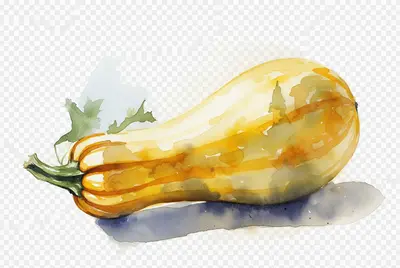
1. Butternut squash, their absolute favorite because the flesh is so sweet and dense.
2. Acorn squash, easy to halve and perfect for small flocks.
3. Spaghetti squash, they love pulling the fun, stringy flesh apart.
4. Avoid any squash cooked with butter, brown sugar, or maple syrup!
Feeding Guide
Chicks under four weeks: Cooked, mashed squash flesh only, no tough seeds yet.
Pullets and young layers: Raw cubes of flesh scattered in the run.
Adult hens and roosters: A raw or roasted squash half placed flesh-side up.
Positive Signs
* Eagerly digging into the seed cavity first, instinct tells them that is the best part!
* Firm, orange-tinted droppings.
* Beautifully vibrant egg yolks.
Negative Signs
* Frustration if you forget to cut it open, they will just stare at it helplessly.
* Ignoring their normal feed if you provide too much sweet squash flesh.
Preparation Science
Baking winter squash breaks down the dense complex carbohydrates into simpler sugars, making the food highly palatable and much easier for their digestive enzymes to process.
Enrichment Science
Tearing out the web-like structure of a spaghetti squash or excavating a butternut provides intense mechanical satisfaction that redirects aggressive pecking energy away from other flock members.
Play Ideas
Easy: Scrape the seeds out and mix them with their morning scratch grains.
Medium: Bake a squash half, let it cool, and stuff the cavity with chopped greens.
Hard: Suspend a heavy butternut squash half just out of reach so they have to jump slightly to peck it.
FAQ
Q: Can I feed them squash that has been sitting in my pantry for months?
A: As long as it is still firm and has no soft, mushy, or moldy spots, winter squash stores beautifully and is totally safe to feed months later.
Q: Will the hard seeds cause crop impaction?
A: Not for adult chickens! They have incredibly powerful gizzards designed specifically to crush seeds, just make sure they have access to plenty of grit.
Alternatives
* Pumpkin is practically identical but usually has a thinner skin and more seeds.
* Sweet potato offers similar cooked nutrition but cannot be fed raw safely like squash.
* Zucchini is a summer squash that is much higher in water and lower in calories.
Risks & Disclaimer
Squash is a wonderfully safe and enriching treat. The only real danger is to your own fingers when you are trying to chop these hard winter vegetables in half!