Preparation
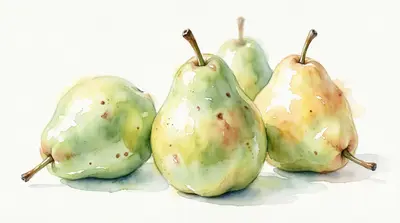
Wash them, cut them in half, and scoop out the seeds. The seeds contain tiny amounts of cyanide, just like apples! Chop the flesh into bite-sized pieces for easy eating.
Quantity
One pear per three chickens, given as an occasional sweet treat.
Notes
Great for a hot day moisture boost. Watch out for overripe, mushy pears on the ground, they ferment quickly and can make your birds sick or drunk.
Nutritional Benefits
* Full of essential vitamins like vitamin C to help combat heat stress.
* Loaded with water, making it a surprisingly hydrating snack on a warm afternoon.
* Rich in dietary fiber to keep their digestive systems moving along smoothly.
Safe Varieties
1. Fresh, slightly firm pears from the grocery store or garden.
2. Soft, ripe pears, these are messy but the birds adore the sweet mush!
3. Asian pears, which offer an amazing, watery crunch similar to an apple.
4. Avoid pear seeds, stems, and leaves from wild pear trees.
5. Avoid canned pears in heavy syrup, way too much sugar for a bird.
Feeding Guide
Chicks under four weeks: A tiny bit of the softest, mashed pear flesh.
Pullets and young layers: Diced chunks scattered in a dish.
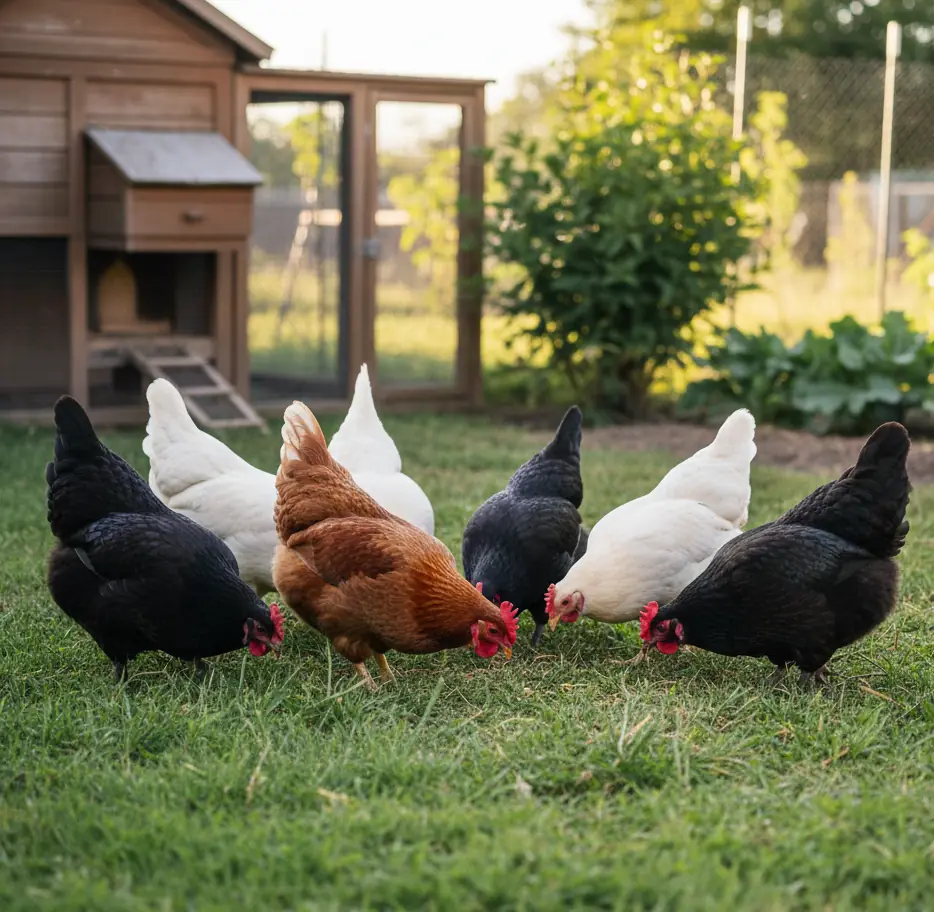
Adult hens and roosters: Cut into quarters and tossed directly onto the lawn.
Positive Signs
* Very sticky, happy beaks covered in pear juice!
* Eagerly gobbling up the soft flesh with minimal effort.
* Hydrated, active birds during warmer weather.
Negative Signs
* Runny, sticky droppings if you feed them too many ripe pears at once.
* Wobbly, disoriented walking if they have eaten fermented pears off the ground.
Preparation Science
Removing the core eliminates the cyanide risk, while leaving the skin on provides necessary roughage that helps balance out the high sugar content as it moves through the gut.
Enrichment Science
The unique, slightly gritty texture of a pear comes from stone cells, which provides a novel tactile sensation on the chicken's tongue, stimulating their highly sensitive oral receptors.
Play Ideas
Easy: Mix finely diced pear into a bowl of dry rolled oats.
Medium: Smear mashed pear on the side of a clean log in the run.
Hard: Core a firm pear, thread a rope through it, and hang it just high enough that they have to stretch.
FAQ
Q: Are the seeds really that dangerous?
A: Like apples, a single seed probably will not hurt them, but the toxin builds up. It is always best practice to just scoop the core out with a spoon to be totally safe.
Q: Can they eat the pear skin?
A: Absolutely! The skin holds a massive amount of the fiber and nutrients. Just wash it first if it came from the supermarket.
Alternatives
* Apples provide a much better crunch and last longer before rotting.
* Melons are even more hydrating and have safe seeds, making them easier to prep.
* Berries are far superior nutritionally with less sugar, but pears are a cheaper bulk treat.
Risks & Disclaimer
Pears are a wonderfully sweet reward for your flock. Just mind the seeds, and ensure you pick up any uneaten mush before it ferments or attracts a swarm of yellowjackets!