Preparation
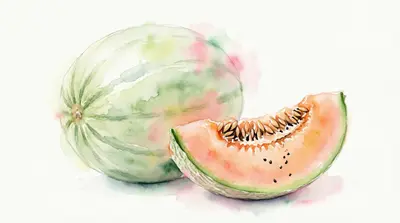
Slice it in half or into large wedges. No need to remove the seeds, they love them! Serve it fresh and raw. Do not feed rotten or heavily fermented rinds.
Quantity
One large melon wedge per three birds is plenty for a hot afternoon.
Notes
Great for extreme heatwave hydration. Watch out for the sticky mess, it will attract flies if you leave the empty rinds sitting out for days.
Nutritional Benefits
* Incredible hydration power, it is basically solid water packed with electrolytes.
* The seeds provide a fantastic punch of protein and healthy fats.
* Great source of vitamins A and C to help them recover from heat exhaustion.
Safe Varieties
1. Fresh, ice-cold watermelon on a scorching July day.
2. Cantaloupe with all those gooey, glorious seeds left intact.
3. Honeydew wedges, sweet and perfectly safe.
4. Avoid any melon that smells sour, alcoholic, or has slimy mold spots.
Feeding Guide
Chicks under four weeks: Finely minced, seedless melon flesh to prevent choking.
Pullets and young layers: Small wedges placed in the shade.
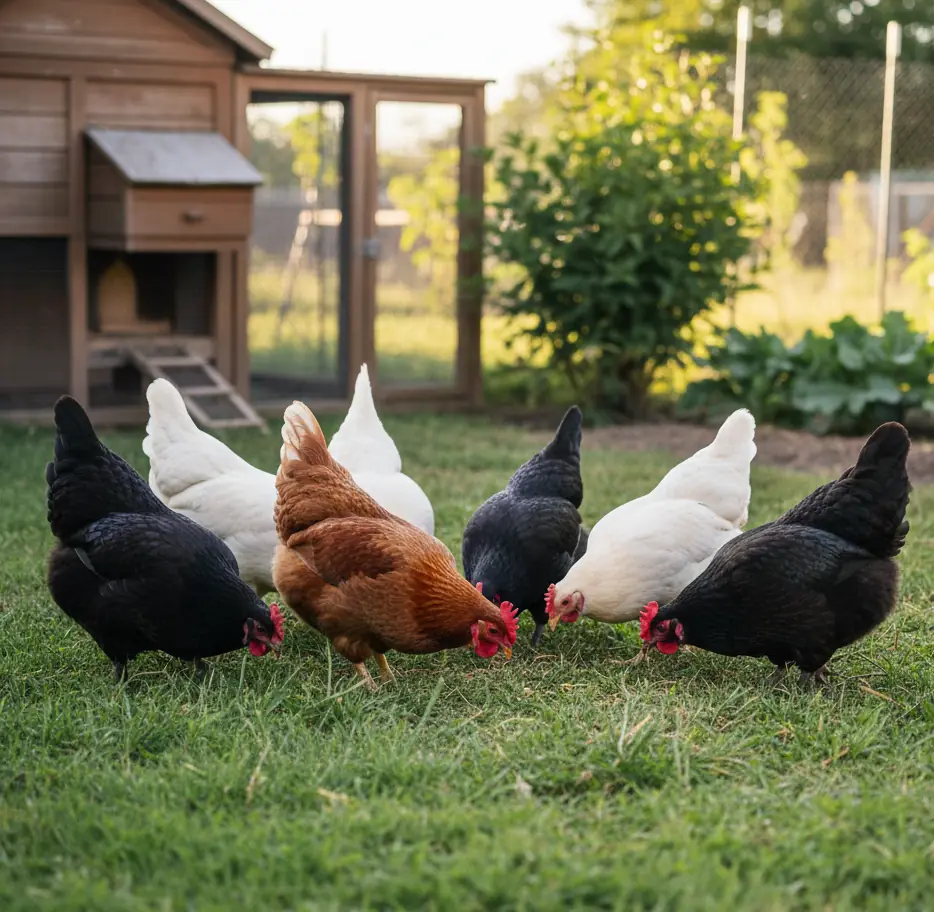
Adult hens and roosters: A giant melon half dropped right in the middle of the run.
Positive Signs
* Very messy, pink-stained faces and extremely happy clucking.
* Noticeable relief from panting on hot days as they rehydrate.
* Watery droppings, which is a good sign they are processing the fluids!
Negative Signs
* A massive swarm of flies or wasps if you do not clean up the sticky rinds.
* Sour crop if they eat an astronomical amount of sugary melon every single day.
Preparation Science
Leaving the seeds inside the melon matrix forces the birds to ingest both the high-water flesh and the fat-rich seeds simultaneously, preventing a pure sugar spike in their bloodstream.
Enrichment Science
Excavating a large, heavy melon half requires cooperative flock feeding, which can actually strengthen social bonds and establish pecking order without resorting to aggressive bullying.
Play Ideas
Easy: Simply cut it in half and let them act like tiny feathered bulldozers.
Medium: Freeze large chunks of watermelon for a literal chicken popsicle.
Hard: Hollow out a small watermelon to make a bowl, fill it with water and mint leaves, and let them drink from it.
FAQ
Q: Are watermelon seeds safe? I heard they can cause blockages!
A: Watermelon seeds are completely safe for adult chickens with access to grit. Their gizzards easily crush the soft shells, and they are highly nutritious.
Q: Can they eat the green rind?
A: They usually peck the pink flesh away and leave the hard green rind. Some assertive birds might nibble the green part, which is safe, but most will just leave it.
Alternatives
* Cucumber is equally hydrating but has far less sugar, making it better for everyday use.
* Apples are crunchier but provide very little water compared to melons.
* Berries have better antioxidants but simply cannot compete with the hydration power of watermelon.
Risks & Disclaimer
Melons are a phenomenal tool to keep your flock alive and thriving during brutal summer heat. Just be a good housekeeper and remove the empty rinds before they attract a buzzing insect army!