Preparation
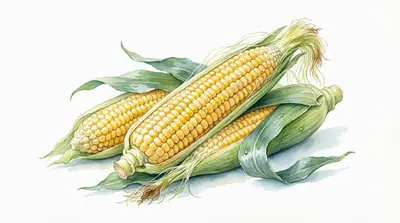
Feed cracked corn dry. For sweet corn, serve it raw or boiled right on the cob. Skip the butter, salt, and absolutely no microwave popcorn loaded with artificial chemicals!
Quantity
One tablespoon of cracked corn per bird, heavily restricted in the summer.
Notes
Great for a winter evening snack to generate body heat. Watch out for overweight birds, corn is very high in calories and carbs.
Nutritional Benefits
* Generates internal body heat during digestion to keep them warm on freezing winter nights.
* Provides a massive burst of quick energy for active, free-ranging flocks.
* Contains xanthophylls, which gives those egg yolks and yellow legs a beautiful bright color.
Safe Varieties
1. Dry cracked corn, the classic winter staple for the chicken keeper.
2. Fresh sweet corn straight on the cob, an incredibly fun pecking toy.
3. Plain, air-popped popcorn with absolutely nothing added to it.
4. Avoid moldy whole corn at all costs, it harbors deadly mycotoxins!
5. Avoid sweet canned corn, it has way too much salt and sugar.
Feeding Guide
Chicks under four weeks: Only finely ground corn dust mixed in their starter.
Pullets and young layers: A tiny sprinkle mixed with grit.
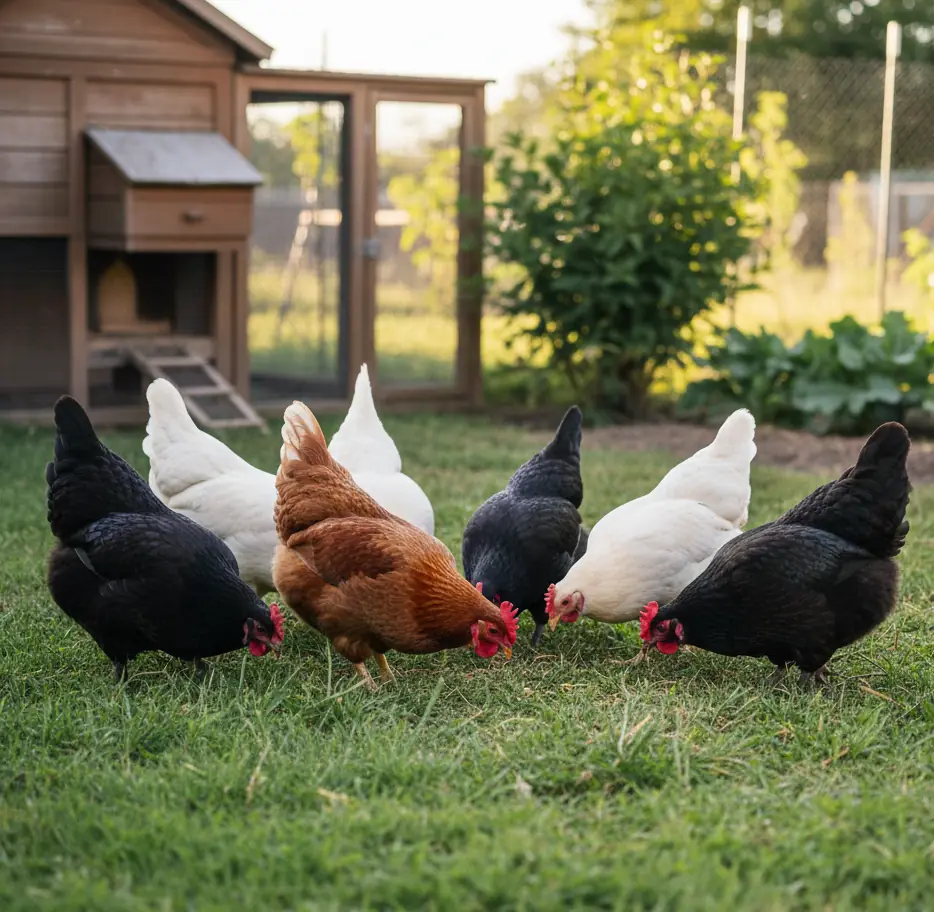
Adult hens and roosters: Toss a cob in the run or a handful of cracked corn before roosting in winter.
Positive Signs
* Happy, warm birds roosting comfortably through a cold winter night.
* Bright yellow legs and beaks on breeds that carry that pigment.
* Fantastic weight maintenance for birds that are highly active outdoors.
Negative Signs
* Lethargic, overweight hens dropping in egg production because they are too fat.
* Panting and heat stress if you feed them too much corn during a hot summer.
Preparation Science
Feeding cracked corn right before sunset ensures the complex carbohydrates hit their digestive system just as the temperature drops, maximizing the thermic effect of digestion overnight.
Enrichment Science
Picking kernels off a fresh cob requires intense focus and mechanical manipulation, tapping directly into their natural evolutionary drive to strip seeds from complex plant structures.
Play Ideas
Easy: Scatter cracked corn widely into deep straw so they have to scratch for an hour.
Medium: Toss fresh husks and corn silks into the run, they love shredding them.
Hard: Secure a whole, fresh ear of corn to the side of the run fencing with zip ties at head height.
FAQ
Q: Why do people say not to feed corn in the summer?
A: Corn is high in carbohydrates, which creates a lot of heat as the chicken digests it. In the summer, this extra internal heat can actually cause heatstroke!
Q: Can they eat the cob itself?
A: They will peck the kernels clean off, but they will leave the woody cob behind. You will need to toss the bare cobs into your compost pile.
Alternatives
* Oats offer a healthier, lower-calorie winter carb source that is easier on their waistline.
* Wheat provides more protein and less fat, making it better for year-round scratch.
* Sunflower seeds give better quality fats for feather health than the fats found in corn.
Risks & Disclaimer
Corn is fantastic for winter warmth but is basically chicken junk food. Feed it sparingly so your hens do not get too fat, which can cause serious egg-laying complications!