Preparation
Serve it raw for maximum crunch, or steamed if you want to soften the core. Chop the thick leaves and core into small chunks. No salt, please!
Quantity
A few large florets per bird, scattered around once or twice a week.
Notes
Great for a healthy, low-sugar boredom buster. Watch out for black mold spots on old heads, cut those away before feeding.
Nutritional Benefits
* Helps keep their nervous system firing perfectly with a good dose of choline.
* Packed with antioxidants to keep your flock feeling young and spry.
* Rich in dietary fiber to keep their crop and intestines moving beautifully.
Safe Varieties
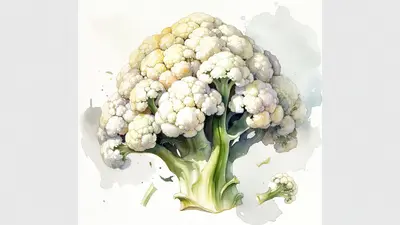
1. Fresh, crisp white cauliflower florets, perfect for pecking.
2. The green outer leaves, they actually love the leaves more than the white part!
3. Colorful varieties like purple or orange cauliflower, totally safe and fun.
4. Avoid any frozen cauliflower that was prepared with heavy sodium or butter.
Feeding Guide
Chicks under four weeks: Steam it until mushy and offer just a tiny pinch.
Pullets and young layers: Chop into bite-sized crumbles to prevent choking.
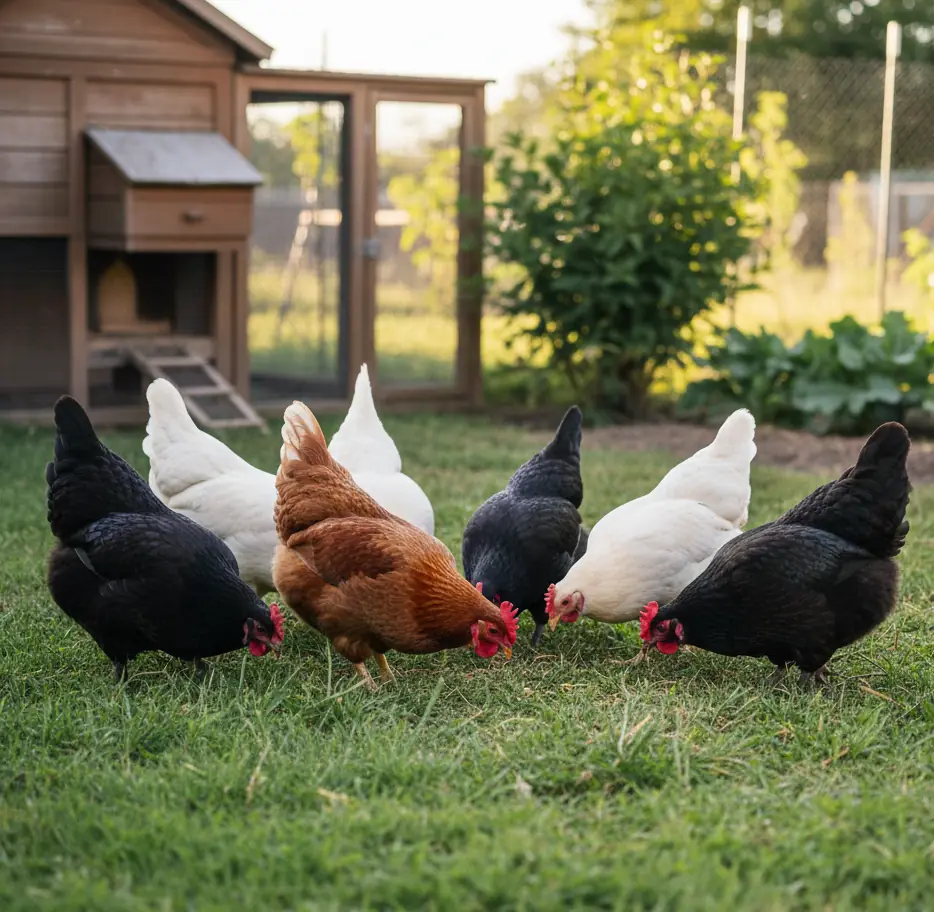
Adult hens and roosters: Toss a half head right into the run and watch the rugby match begin.
Positive Signs
* Active foraging and excited clucking when they see the white florets.
* Smooth digestion and regular droppings.
* Alert, active birds with healthy feather condition.
Negative Signs
* Smelly droppings if you overdo it, just like its cousin broccoli!
* Chunks left behind if the pieces are too large and tough for smaller bantams.
Preparation Science
Chopping the cauliflower increases the surface area exposed to oxygen, which actually activates some of the beneficial antioxidant compounds right before your chickens eat it.
Enrichment Science
The dense, clustered structure of a cauliflower head challenges the chickens to use powerful, targeted pecks to dislodge pieces, mimicking the effort needed to break apart tough wild gourds.
Play Ideas
Easy: Mix cauliflower rice into their regular layer pellets to encourage foraging.
Medium: Spear a whole head of cauliflower onto a sturdy stick pushed into the ground.
Hard: Bake plain cauliflower florets until slightly dehydrated and chewy for a totally different texture experience.
FAQ
Q: My cauliflower has purple spots on it, is it safe?
A: Usually, yes! Purple or pink tinges on white cauliflower are just harmless pigment changes from sun exposure. Black fuzzy spots, however, are mold and should be avoided.
Q: Do I need to cook it first?
A: Not at all! Chickens have incredibly strong gizzards and can easily digest raw cauliflower, plus they enjoy the crunch.
Alternatives
* Broccoli is structurally similar but offers more calcium and vitamin A for egg layers.
* Cabbage is much cheaper and provides better hanging entertainment for the run.
* Apples provide a similar crunch but have much more sugar, making cauliflower the healthier pick.
Risks & Disclaimer
Cauliflower is a wonderfully safe and healthy snack. Because it is part of the brassica family, feed it in moderation to avoid giving your flock a case of smelly upset stomachs!