Preparation
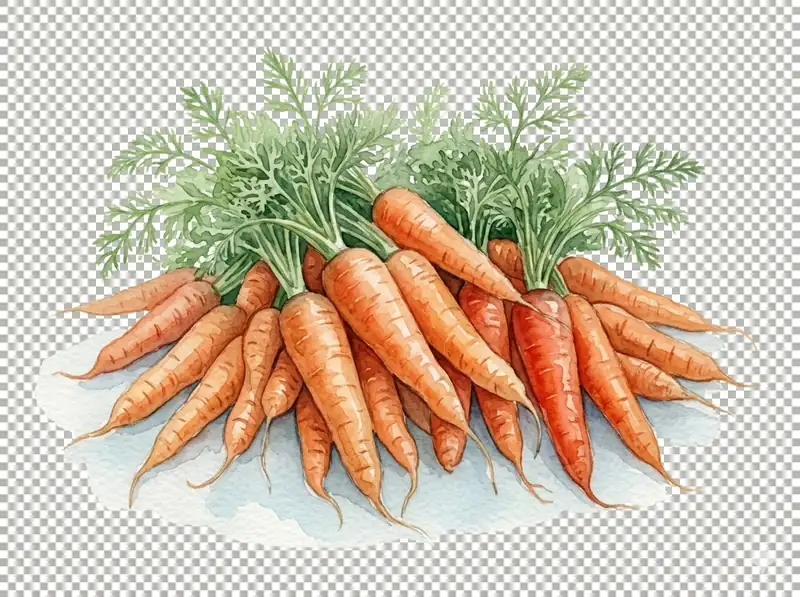
Wash them well to remove dirt. Chop them up, grate them, or toss whole ones for the flock to peck at. Leave the green tops on, they love those too!
Quantity
A handful of chopped carrots per three to four chickens, two or three times a week.
Notes
Great for a summer treat when chilled. Watch out for moldy ones from the bottom of your fridge. If you would not eat it, neither should your flock!
Nutritional Benefits
* Packed with beta-carotene to give those egg yolks a brilliant, rich orange color.
* Helps keep their immune system firing on all cylinders with plenty of vitamins.
* Full of crunch to help wear down beaks naturally and safely.
Safe Varieties
1. Fresh garden carrots with tops intact, the absolute best treat you can offer.
2. Store-bought organic carrots, just give them a good scrub first.
3. Baby carrots, perfectly bite-sized but sometimes a bit pricey for the coop.
4. Cooked plain carrots, great for older hens but you lose that fun crunch.
5. Avoid canned carrots loaded with salt or syrupy glazes, keep it natural.
Feeding Guide
Chicks under four weeks: Skip for now, stick to chick grit and starter feed.
Pullets and young layers: A tablespoon of grated carrot per bird mixed into their feed.
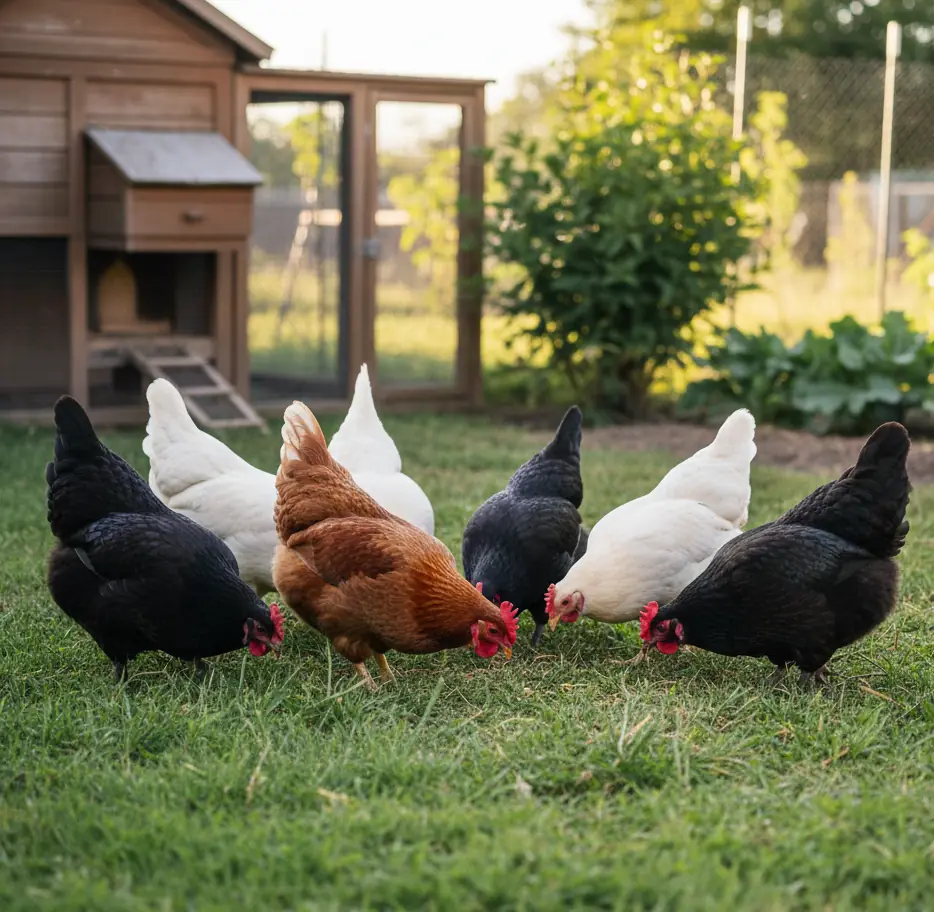
Adult hens and roosters: Toss a whole carrot or two into the run for a flock of six.
Positive Signs
* Bright, deeply colored egg yolks a day or two later.
* Eager pecking and happy trilling sounds when you bring them out.
* Solid, normal droppings showing good digestion.
Negative Signs
* Crop impaction if they swallow chunks too big without enough grit, ensure they have access to grit!
* Watery droppings if they eat way too many at once, dial back the treats.
Preparation Science
Grating breaks down the tough plant cell walls, making the beta-carotene much easier for their digestive tract to absorb and turn into those gorgeous yolks.
Enrichment Science
Pecking at a solid, rolling object like a whole carrot triggers their natural foraging instincts and keeps flock drama to a minimum. It turns snack time into a physical workout!
Play Ideas
Easy: Toss a handful of baby carrots into tall grass so they have to hunt for them.
Medium: Hang a large, whole carrot from the top of the run on a piece of twine like a tetherball.
Hard: Freeze grated carrots inside a block of ice with some mint leaves for a hot summer day puzzle.
FAQ
Q: Can my chickens eat the green carrot tops?
A: Yes! The leafy greens are totally safe and packed with nutrients. Your flock will probably eat the greens before they even touch the orange part.
Q: Do I need to peel them first?
A: Nope, just wash the dirt off. The peel has tons of good stuff in it, and your chickens definitely do not care about aesthetics.
Alternatives
* Sweet potatoes offer similar vitamins but absolutely must be cooked first, unlike carrots.
* Pumpkins also boost yolk color but have the added bonus of edible seeds.
* Zucchini is softer and easier for older birds to eat but lacks the yolk-boosting power.
Risks & Disclaimer
Carrots are incredibly safe, but always remember that treats should never make up more than ten percent of their daily diet. Keep the main feed the star of the show, and carrots as a fun bonus!